How Fungi Produce Metal Nanoparticles for Medicine and Where the Research Falls Short
Fungal-mediated nanoparticle synthesis offers a green alternative for medicine, but standardization gaps remain.
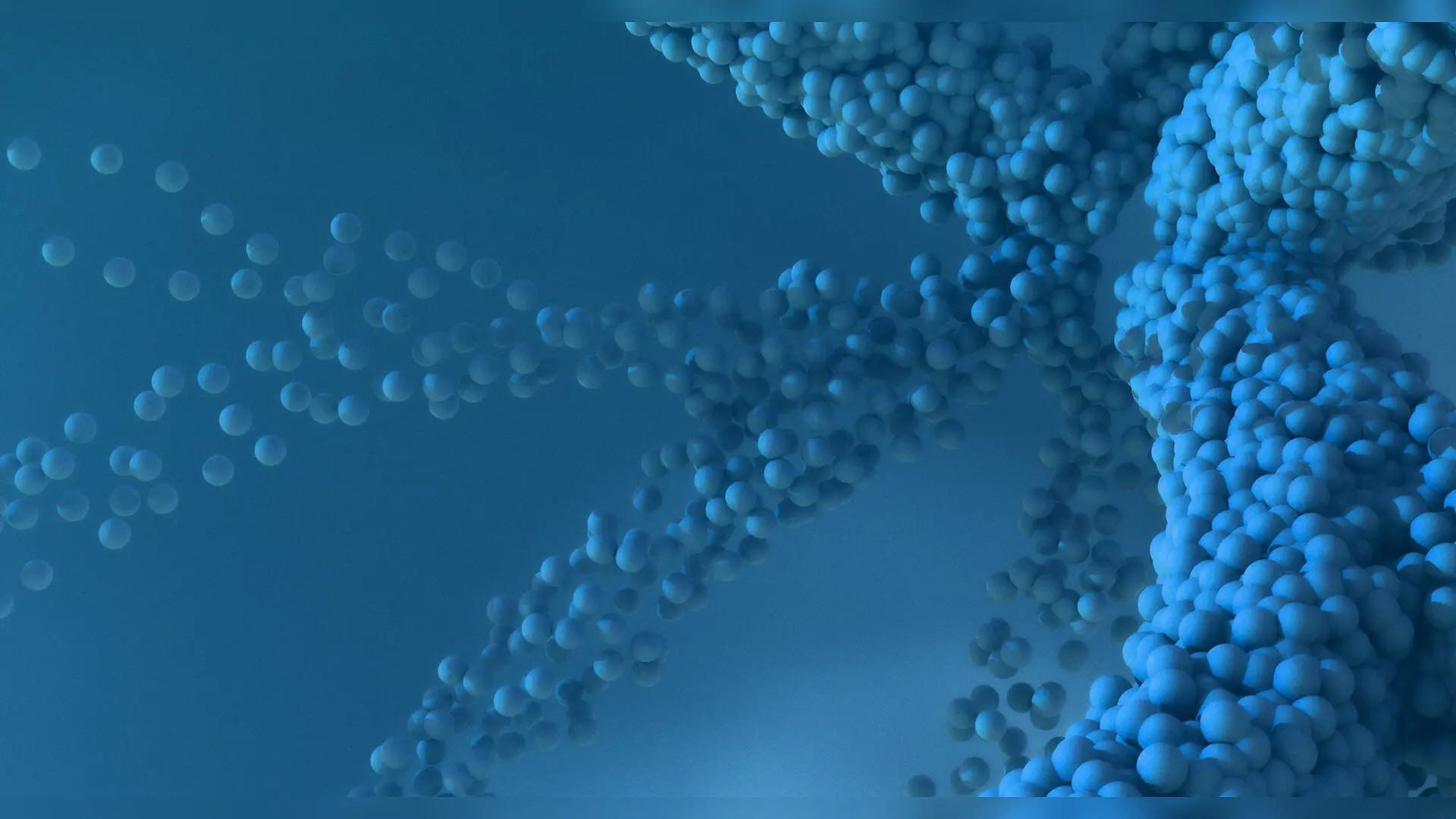
Fungi can synthesize metal nanoparticles through natural biological processes that bypass harsh chemical reagents, offering a cleaner route to functional nanomaterials. Mohammed A. and colleagues at their research institution published a detailed evaluation published in Frontiers in Bioengineering and Biotechnology that examines how filamentous yeasts and molds reduce metal ions into stable nanoparticles.
How do fungi transform metal ions into stable nanoscale materials?
In nature, microorganisms have evolved mechanisms to survive environments with elevated metal concentrations. These survival tactics include metal binding, reduction, sequestration, and transformation. Fungi occupy a distinct position among biological platforms because many species achieve high biomass and secrete large quantities of extracellular proteins and enzymes. These secreted molecules simplify downstream recovery compared with bacterial systems that often trap products inside the cell wall.
The biosynthesis process involves four distinct stages known as binding, bioreduction, nucleation and growth, and capping. First, metal ions associate with negatively charged functional groups on the fungal cell wall or on secreted proteins. Next, electron transfer from nicotinamide adenine dinucleotide dependent reductases converts the metal ions into zero-valent atoms. Once these atoms reach a critical concentration, they coalesce into stable nuclei and grow. Finally, proteins, polysaccharides, and metabolites adsorb to the particle surface, arresting growth and providing colloidal stability.
What factors cause the wide variability reported across different studies?
Small changes in culture conditions can alter particle size, shape, polydispersity, surface charge, and biological activity. Temperature, pH, incubation time, fungal biomass, culture medium, precursor concentration, light exposure, and aeration all influence the final product. Because laboratories use different protocols and rarely standardize their synthesis parameters, reported mean sizes for silver nanoparticles span from 1 to 109 nanometers.
Furthermore, many productive species are opportunistic human pathogens or allergens that require careful containment and screening for mycotoxins. Edible and medicinal macrofungi present a more favorable safety and regulatory profile for consumer-facing production, whereas filamentous laboratory molds can offer higher synthetic activity but carry a greater biosafety burden. Non-pathogenic or industrially accepted producers, including selected Trichoderma species, provide alternative routes for scalable applications.
Where do these mycogenic nanoparticles show therapeutic promise?
Fungi-engineered metal nanoparticles have been explored for antimicrobial therapy, cancer treatment, diagnostics, imaging, drug delivery, and immunomodulation. Their biomedical potential arises from nanoscale size, surface reactivity, tunable charge, and biological capping by fungal metabolites. For instance, silver nanoparticles from various fungal producers have demonstrated antibacterial activity against pathogens including Escherichia coli and Staphylococcus aureus through membrane disruption and oxidative stress.
Claims of anticancer efficacy are supported primarily by in vitro cell-culture studies showing effects on cancer cell viability and oxidative balance. However, appropriate normal-cell controls and in vivo validation are frequently absent from the literature. Selectivity indices, which measure the ratio of half-maximal inhibitory concentration in normal cells compared to cancer cells, are reported inconsistently across studies, leaving therapeutic claims at a preliminary stage.
What hurdles remain before these materials reach clinical use?
Translating myconanotechnology from the laboratory to clinical practice requires addressing several major limitations. Quantitative physicochemical characterization, screening for endotoxin and mycotoxin contamination, hemocompatibility testing, and pharmacokinetic evaluations in animal models are nearly absent from current reports. Manufacturing must move toward defined, quality-controlled processes to overcome batch-to-batch variability introduced by biological manufacture.
Progress will depend on secretome proteomics to identify exact reducing agents, quantitative surface characterization to understand the retained biomolecular corona, and harmonized reporting to recognized international standards. While topical antimicrobial applications and device coatings represent realistic near-term targets, systemic therapeutic uses will require extensive preclinical safety validation.
The research was published in Frontiers in bioengineering and biotechnology on November 23, 2026.
This article has been fact checked for accuracy, with information verified against reputable sources. Learn more about us and our editorial process.
Last reviewed on .
Article history
- Latest version
Cite this page:
- Posted by Rohan Kumar