AI Chatbots and Social Media Tools Deliver Inconsistent Guidance on Popular Unregulated Peptides
Researchers find that eleven digital health assistants provide accurate core facts but write at college reading levels, while social media tools occasionally endorse unverified injections.

Artificial intelligence chatbots and social media assistants provide inconsistent, highly technical guidance when patients ask about unregulated fitness peptides like BPC-157, according to a cross-sectional content analysis study published in the HSS Journal: The Musculoskeletal Journal of Hospital for Special Surgery. Investigators evaluated eleven different digital tools by posing four standardized questions about unapproved substances frequently marketed online for tissue healing, muscle building, and anti-aging.
How Well Do Digital Chatbots Handle Unregulated Peptide Claims?
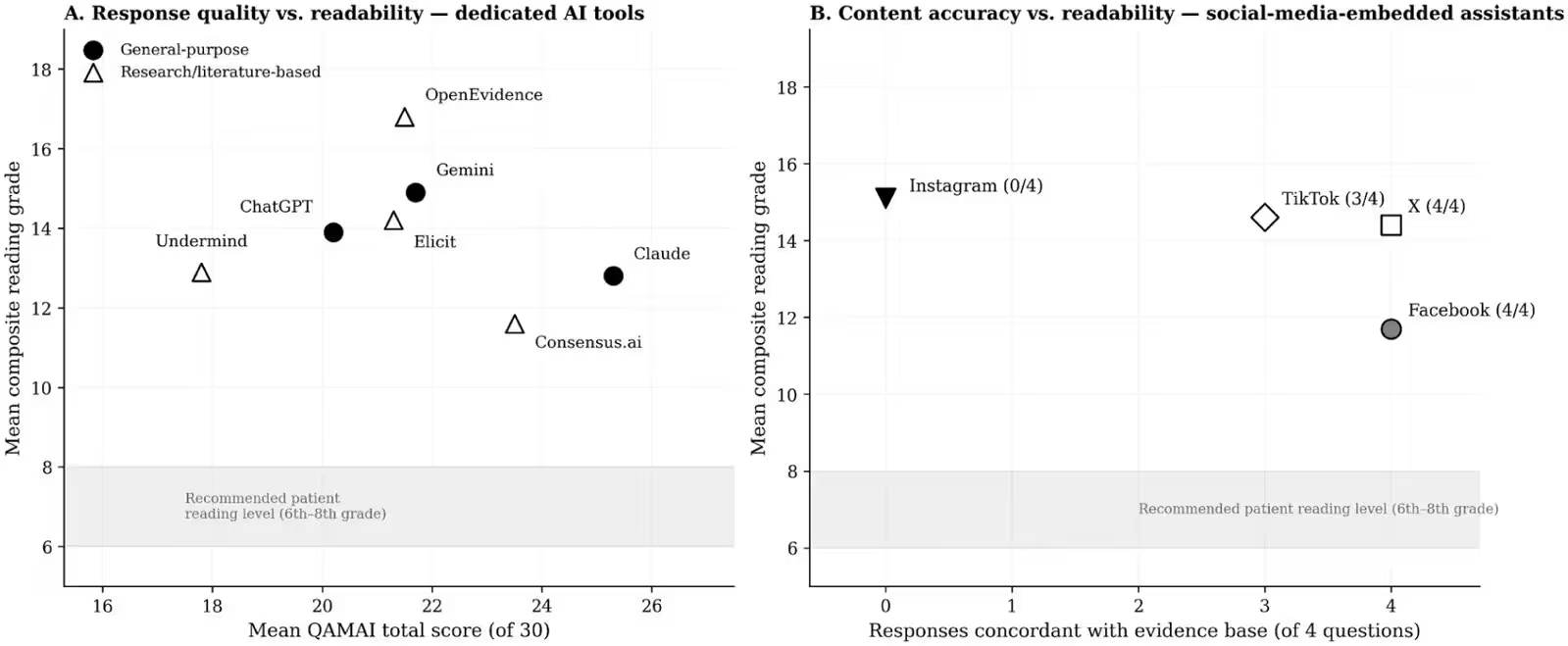
Dipankar Yettapu and colleagues at Case Western Reserve University, alongside clinical collaborators, examined seven dedicated artificial intelligence systems and four social media-embedded assistants in May 2026. The researchers found that while general-purpose and literature-based platforms generally understood the scientific evidence gaps, their readability scores remained far too complex for average patients. The dedicated systems scored an average of twenty-one point six out of thirty on a validated medical information quality scale, indicating good overall accuracy. However, completeness was the weakest performance domain across the board.
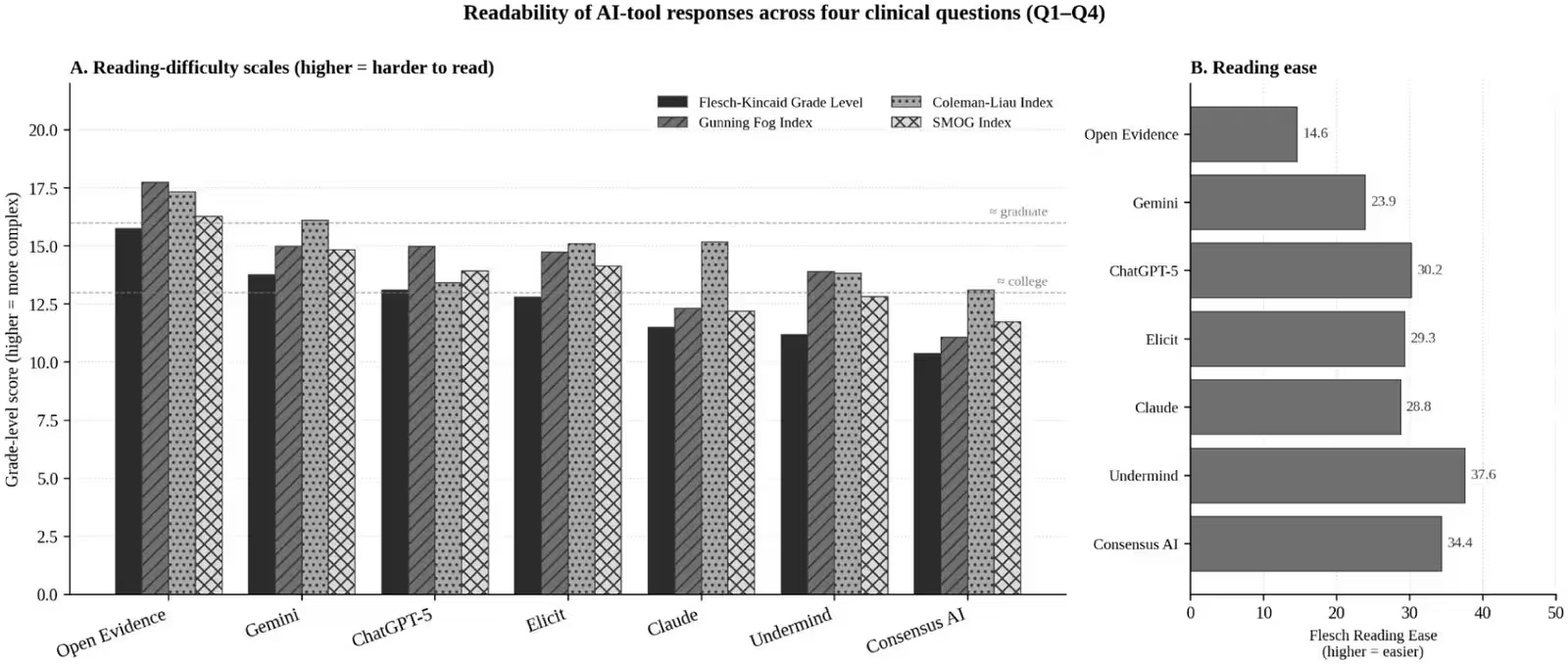
The analysis revealed that models frequently omitted vital regulatory warnings and safety context. Although tools correctly noted that substances like BPC-157 lack human clinical trials and U.S. Food and Drug Administration approval, they often failed to provide the necessary background to counter aggressive online marketing. Furthermore, every single tested platform generated answers written at a college level or higher, with an average composite reading grade of thirteen point nine. This significantly exceeds the sixth-to-eighth-grade reading level recommended for patient education materials.
What Did Social Media AI Assistants Tell Users About Injectable Peptides?
The performance of artificial intelligence assistants embedded directly inside social media platforms varied dramatically from platform to platform. While Facebook and X provided largely accurate warnings about contamination risks and the absence of human efficacy data, other platforms spread misinformation. The Meta artificial intelligence assistant on Instagram claimed that BPC-157 accelerates human recovery, endorsed growth hormone-releasing peptides, and even supplied specific injection dosing instructions alongside non-functional citations.
The authors noted that platform-level instability poses a serious safety risk for younger consumers and individuals seeking relief from chronic pain. Because social media feeds constantly surface unverified testimonials and promotional content, users relying on embedded digital assistants may encounter conflicting or outright dangerous advice. The investigation highlights that advanced digital tools cannot substitute for professional clinical counseling and personalized medical guidance.
What Are the Limitations of Evaluating Artificial Intelligence in Healthcare?
The study authors acknowledged several important limitations within their observational design. The evaluation represents a single-timepoint snapshot captured in May 2026, and rapid software updates mean that conversational models continuously evolve. Additionally, the researchers used fixed, default settings with single prompts, which may underestimate what these programs can achieve when guided through iterative dialogue or customized instructions.
The blind review process involving three expert medical evaluators also revealed poor absolute inter-rater agreement, underscoring the subjective nature of judging artificial intelligence adequacy. Despite these constraints, the consistent divergence between accurate dedicated research models and erratic social media assistants points to a pressing need for oversight. Professional medical societies and regulatory agencies will need to partner with technology developers to anchor digital health queries in peer-reviewed evidence before vulnerable patients experience preventable harm.
The research was published in HSS journal : the musculoskeletal journal of Hospital for Special Surgery on November 19, 2026.
This article has been fact checked for accuracy, with information verified against reputable sources. Learn more about us and our editorial process.
Last reviewed on .
Article history
- Latest version
Reference(s)
- Yettapu, Dipankar., et al. “Chatbots and Social Media-Embedded AI Assistants Provide Inconsistent Information on the Use of Unregulated Peptides Marketed for Musculoskeletal Recovery.” HSS Journal®: The Musculoskeletal Journal of Hospital for Special Surgery, November 19, 2026 SAGE Publications, doi: 10.1177/15563316261503920. <https://doi.org/10.1177/15563316261503920>.
- Posted by Faisal Qureshi