Fujian University Researchers Measure How Aerobic Exercise Improves COPD Lung Function, And Why Patient Results Vary
Analyzing 26 clinical trials reveals significant gains in walking capacity and quality of life, though supervised programs show more consistent results than home routines.

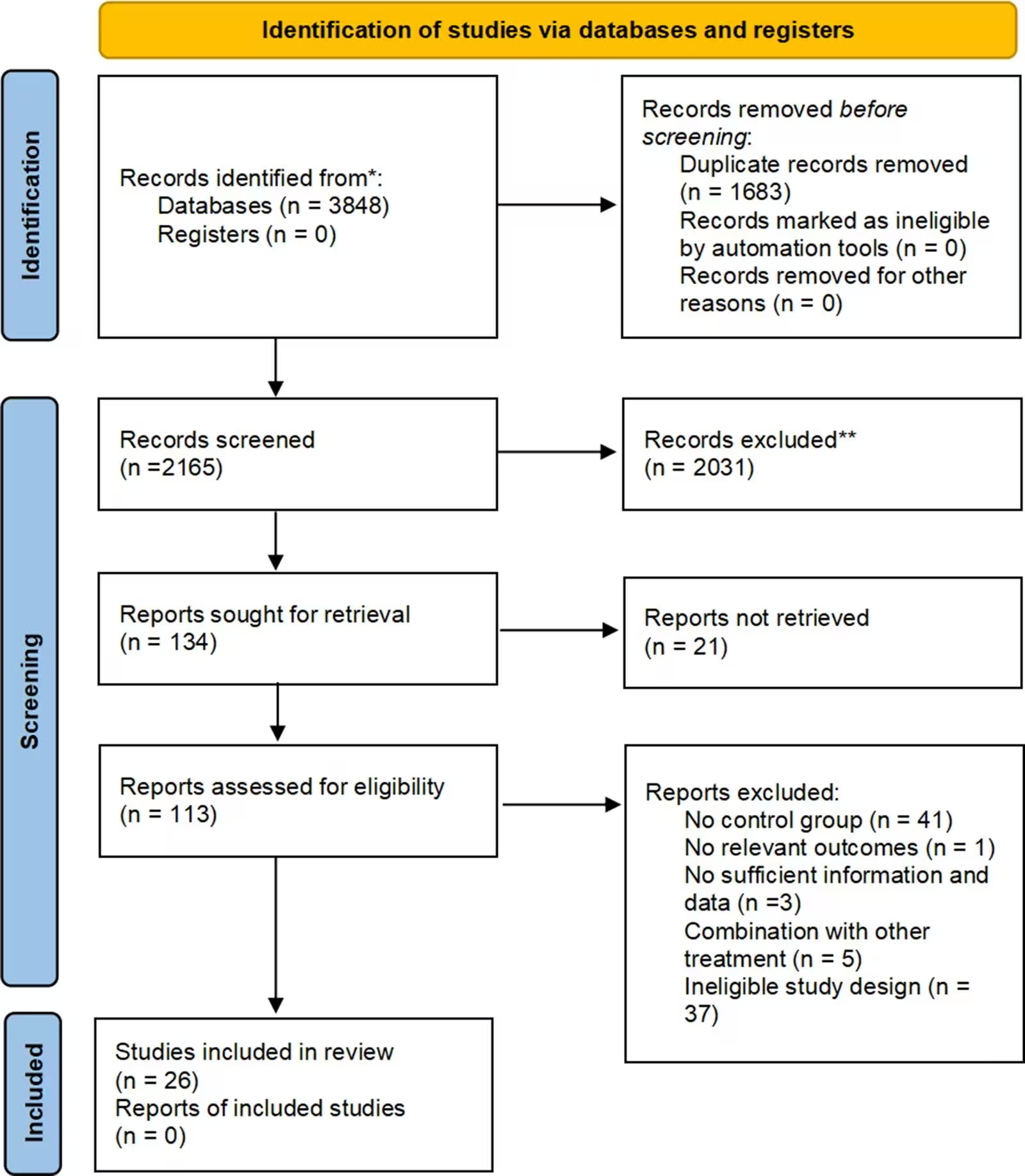
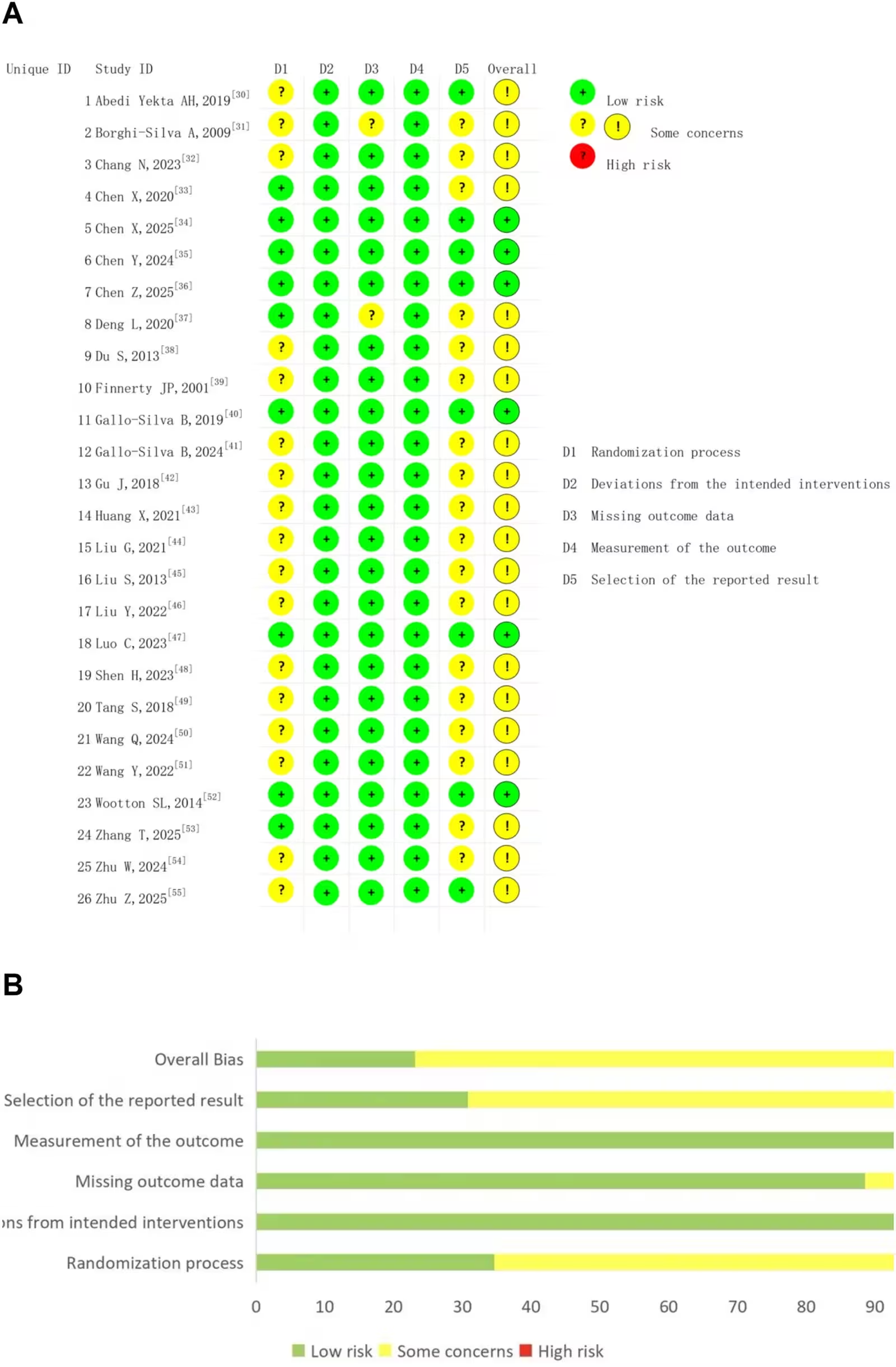
Researchers analyzed 26 randomized controlled trials involving 2,043 patients and found that aerobic exercise significantly improves lung function, walking capacity, and daily quality of life in individuals with chronic obstructive pulmonary disease.
Chronic Obstructive Pulmonary Disease, commonly known as COPD, is a progressive lung condition that causes severe airflow blockage and breathing difficulties, typically resulting from long-term exposure to harmful particles like cigarette smoke or pollution. While pulmonary rehabilitation programs are widely recommended, isolating the specific benefits of pure aerobic exercise, such as walking, cycling, or traditional practices like Tai Chi, has remained challenging because many programs combine multiple workout styles. To resolve this uncertainty, a team led by Shaoqing Chen at the Fujian University of Traditional Chinese Medicine published in the International Journal of Chronic Obstructive Pulmonary Disease examined trials published up to January 2026.
How Much Did Walking Capacity Improve After Training?
Patients participating in aerobic exercise regimens experienced an average improvement of 38.78 meters on the 6-minute walk test compared to control groups receiving standard care. This distance surpasses the established threshold for a clinically meaningful difference, indicating that patients gained noticeable physical endurance.
However, trial sequential analysis revealed that while the data supports a positive trend, the evidence for walking distance is not yet fully conclusive. Furthermore, statistical prediction intervals showed that future results in different clinical settings could vary widely, suggesting that walking improvements depend heavily on individual patient factors and program execution.
What Happened to Patient Quality of Life Scores?
Health-related quality of life saw substantial gains, measured through standardized evaluations like the COPD Assessment Test and the St. George’s Respiratory Questionnaire. Patients engaging in aerobic routines showed an average reduction of 4.26 points on the assessment test and 8.96 points on the respiratory questionnaire, both exceeding minimal clinical importance thresholds.
Trial sequential analysis confirmed that the evidence regarding quality of life improvements is robust and reliable across the analyzed studies. Despite these positive group averages, high variability between different studies indicates that individual responses can still differ significantly in everyday medical practice.
Can Exercise Measurably Boost Lung Function Parameters?
Pulmonary measurements also reflected notable physiological gains following consistent physical training. The ratio of forced expiratory volume in the first second to forced vital capacity increased by an average of 3.76 percent, with prediction intervals remaining entirely within a beneficial range.
Additionally, predicted forced expiratory volume in the first second increased by an average of 5.98 percent, though researchers rated the certainty of this specific lung metric as low due to high study heterogeneity and potential publication bias. Supervision settings also played a major role, as professionally guided exercise programs yielded more consistent clinical benefits than unsupervised home routines.
The research was published in International journal of chronic obstructive pulmonary disease on November 22, 2026.
This article has been fact checked for accuracy, with information verified against reputable sources. Learn more about us and our editorial process.
Last reviewed on .
Article history
- Latest version
Reference(s)
- Chen, Shaoqing., et al. “Effectiveness of Aerobic Exercise on Functional Capacity, Quality of Life and Pulmonary Function in COPD Patients: A Systematic Review and Meta-Analysis with Trial Sequential Analysis.” International Journal of Chronic Obstructive Pulmonary Disease, vol. Volume 21, November 1, 2026, pp. 1-31. Informa UK Limited, doi: 10.2147/COPD.S629681. <https://doi.org/10.2147/COPD.S629681>.
Cite this page:
- Posted by Raj Joshi