Researchers Reveal Decentralized Hepatitis C Care Cures 95 Percent of Patients, But Tracking Failures Leave Thousands Uncounted
A major global review shows local clinics achieve near-universal cures, yet nearly one in five patients disappears before doctors can confirm success.

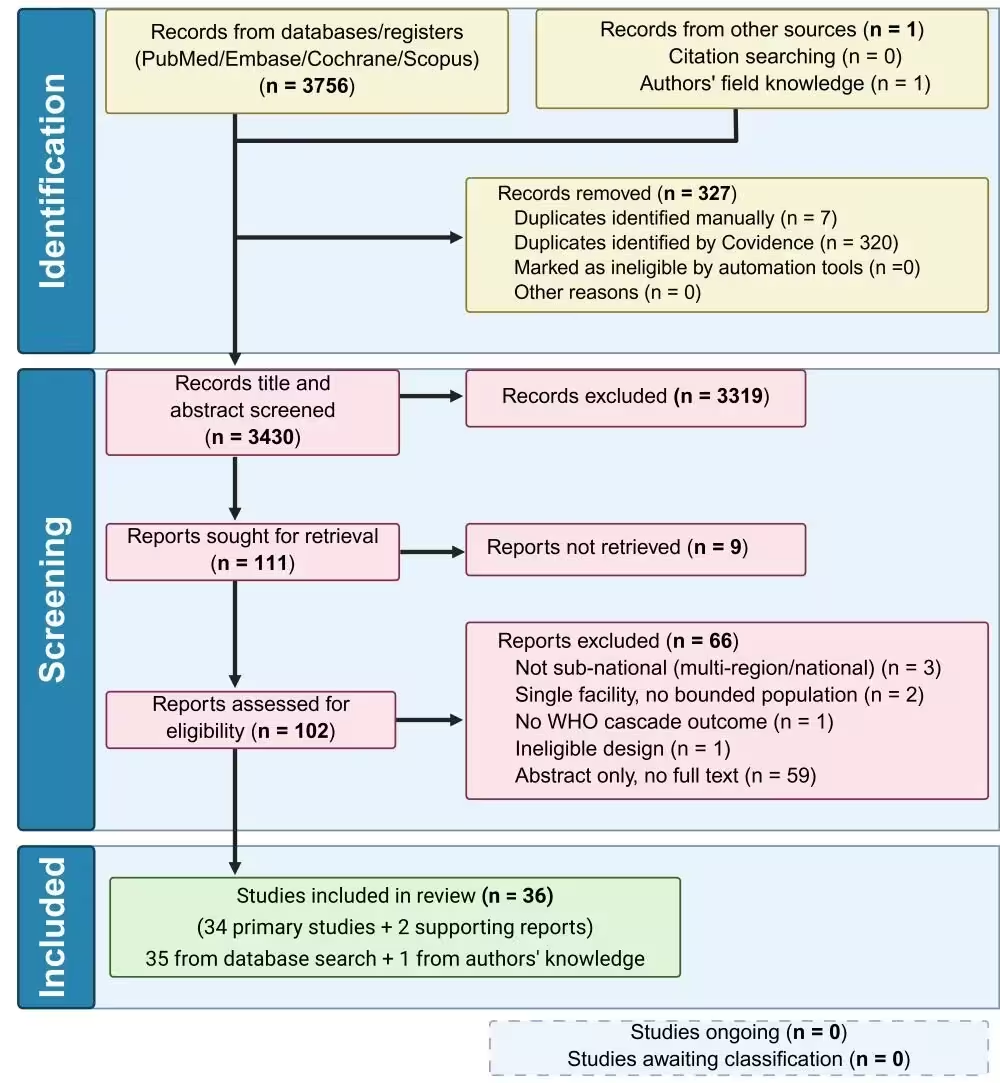
Researchers evaluating 34 decentralised hepatitis C programmes across 18 developing nations found that while the drugs successfully cure almost all patients who finish treatment, population-wide success is dragged down by patients disappearing before doctors can confirm they are healthy.
Reaching the World Health Organization target of eliminating viral hepatitis as a public health threat by 2030 relies heavily on bringing testing and treatment out of big city hospitals and into local communities. These smaller regional networks often use simplified care pathways, allowing non-specialist nurses to prescribe modern drugs without complex diagnostic testing.
For years, health authorities assumed that providing these powerful oral medicines locally would automatically translate into high community cure rates. Now, a comprehensive data analysis reveals that the true bottleneck is keeping patients engaged after they start taking their pills.
How Well Do Local Health Programmes Cure Patients?
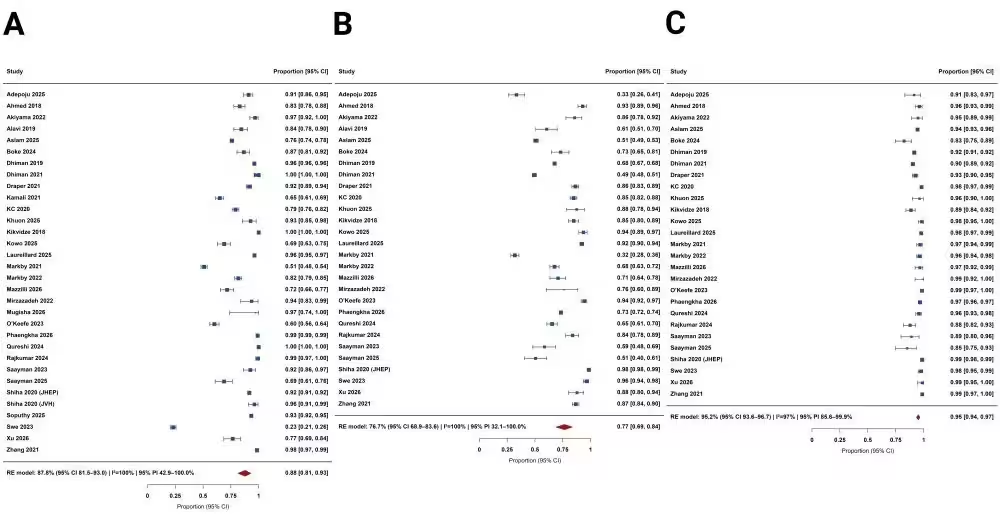
When looking strictly at patients who completed their medical follow-ups, the review found an exceptional 95.2 percent cure rate. This proves that short and well-tolerated drug regimens maintain their trial-level effectiveness even when distributed by local healthcare workers in primary-care clinics. The analysis, published in the Journal of Global Health by Duong Hoang Huy Le and colleagues from Chulalongkorn University, reviewed data spanning from 2015 to 2026 and encompassed more than 85,000 treatment initiators.
Where Do Patients Drop Out of Care?
Despite the high success rate among patients who finish treatment, the broader intention-to-treat effectiveness across all individuals who started medications dropped to 76.7 percent. This creates an efficacy-effectiveness gap of nearly 19 percentage points between controlled study results and real-world outcomes. The research team discovered that this drop is almost entirely driven by patients lost to follow-up before testing rather than any failure of the medication itself.
Confirming a cure requires asymptomatic patients to return for specialized blood tests 12 weeks after finishing medication, which poses a major logistical hurdle in resource-limited regions. Pooled data showed that only 81.3 percent of patients successfully completed this final ascertainment step. Many individuals simply vanish from clinic tracking systems after starting their therapy, meaning health ministries have no record of their recovery.
What Can Health Systems Fix to Reach Elimination?
The authors argue that international health agencies should stop focusing primarily on developing newer drug formulas and instead direct funding toward patient retention and tracking. Implementing low-cost strategies like active patient recall, decentralised diagnostics, and reflex RNA testing could close up to 73 percent of the current treatment gap. Improving final follow-up rates from 81 percent to 95 percent would raise overall population effectiveness past 90 percent without changing a single prescription.
The study also highlighted significant gaps in global data collection, noting that low-income nations remain heavily under-represented in published regional health evaluations. Furthermore, none of the examined programmes disaggregated their patient outcomes by sex or gender, leaving a blind spot for equitable public health planning.
The research was published in Journal of global health on November 27, 2026.
This article has been fact checked for accuracy, with information verified against reputable sources. Learn more about us and our editorial process.
Last reviewed on .
Article history
- Latest version
Reference(s)
- Le, Duong Hoang Huy., et al. “Per-protocol cure vs. intention-to-treat effectiveness of decentralised hepatitis C care in low- and middle-income countries: a systematic review and single-arm proportional meta-analysis.” Journal of Global Health, vol. 16, November 27, 2026 International Society of Global Health, doi: 10.7189/jogh.16.04410. <https://doi.org/10.7189/jogh.16.04410>.
Cite this page:
- Posted by William Moore