Hidden Dangers Uncovered in African Pregnancy Soil Eating Practice
A comprehensive review reveals that traditional soil consumption during pregnancy can block essential nutrient absorption and expose mothers to toxic heavy metals.
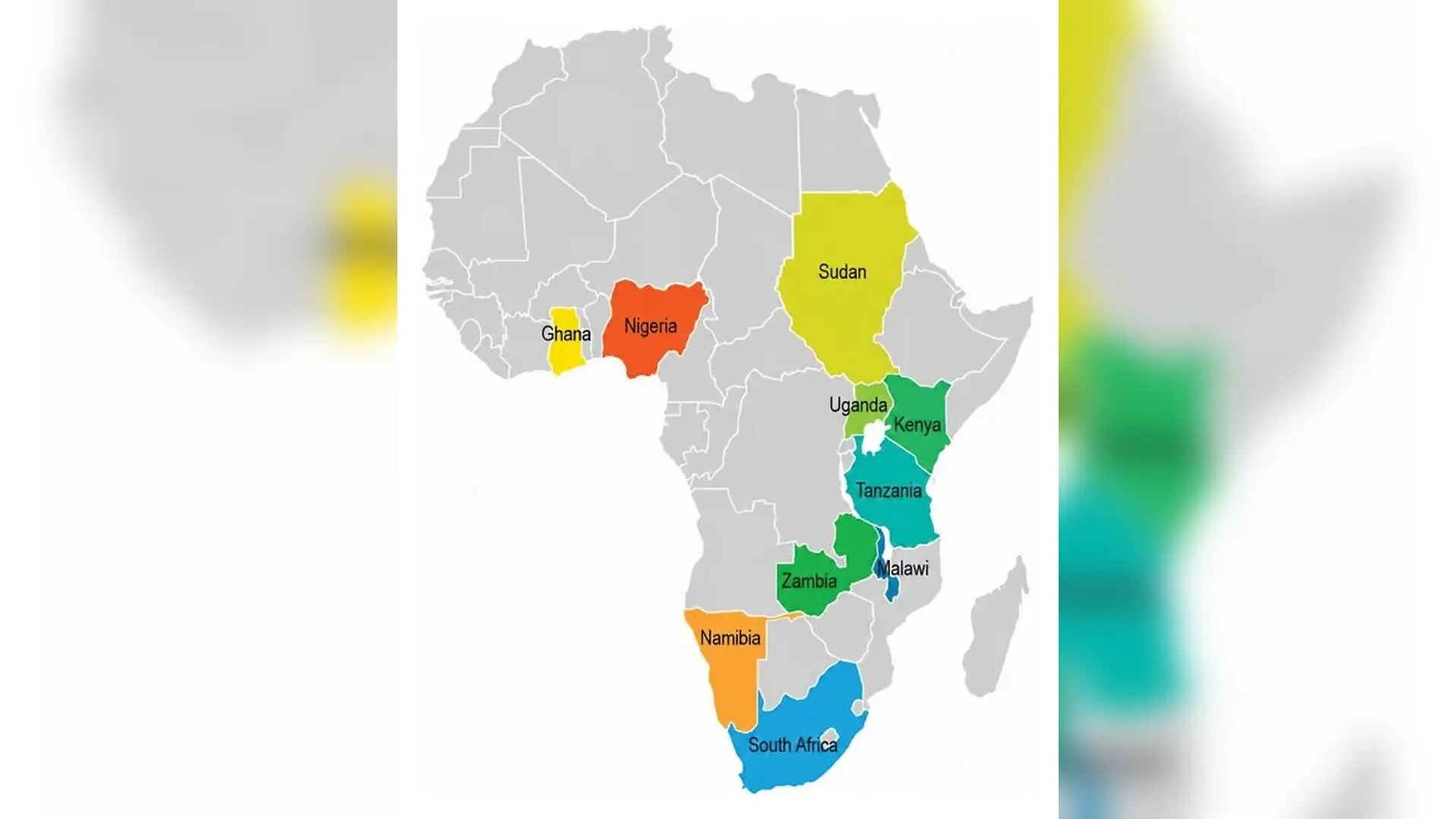
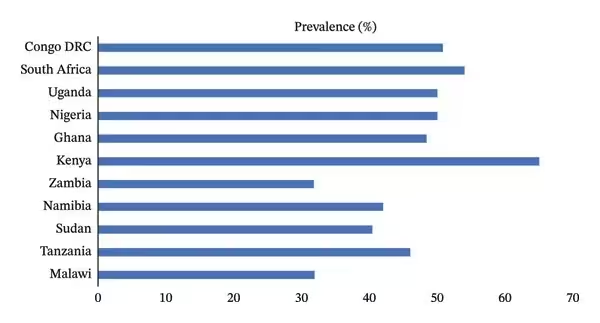
Up to 73 percent of pregnant women in parts of sub-Saharan Africa intentionally eat soil and clay to ease morning sickness and honor cultural traditions, but a comprehensive review published in Scientifica warns that this widespread practice carries hidden toxic and nutritional risks.
Why Expectant Mothers Practice Soil Consumption
Geophagy, the deliberate ingestion of earth materials, is a deeply rooted behavior influenced by cultural beliefs, social norms, and physiological shifts during pregnancy. Across the region, about 36 percent of expectant mothers engage in the practice, with rates climbing even higher in rural communities where local traditions strongly support it. Women often turn to soil and clay during their second and third trimesters, coinciding with peak hormonal changes and heightened nutritional demands.
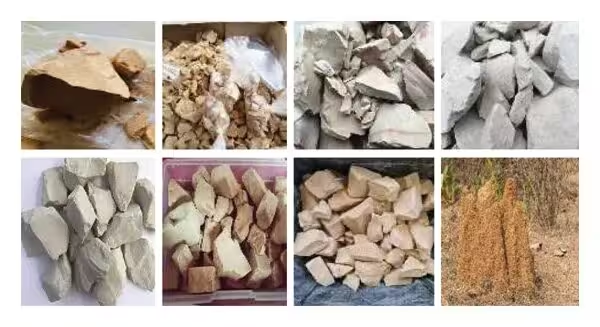
Many consume specific materials, such as clay-rich pica soils, termite mound earth, or riverbank dirt, believing they provide vital minerals and relief from nausea. Cultural perceptions frequently link soil consumption to maternal strength, fertility, and womanhood. Refusing the practice in some communities can be viewed as disregarding social expectations or risking poor pregnancy outcomes.
How Earth Consumption Interferes with Essential Nutrition
Although some women eat soil to combat deficiencies, scientific evidence indicates that geophagic materials often do the opposite. Clay minerals and organic compounds inside the soil can bind to vital micronutrients like iron, zinc, and folate within the digestive tract, blocking their absorption. This interference can worsen iron deficiency anaemia, a major public health challenge that already affects approximately 37 percent of pregnant women globally.
When soil is ingested alongside prescribed iron and folic acid supplements, its binding properties can render these medical treatments less effective. Furthermore, the physical act of eating coarse soil particles frequently causes gastrointestinal complications, ranging from severe constipation and abdominal discomfort to rare cases of intestinal obstruction.
The Heavy Metal and Toxicity Threat
Beyond nutritional hurdles, consumed soils frequently harbor dangerous levels of heavy metals such as lead, arsenic, cadmium, mercury, and chromium. Studies conducted across countries like Ghana, South Africa, Tanzania, and Cameroon have found that local geophagic materials often exceed internationally recommended safety limits for toxic elements.
During pregnancy, physiological changes that naturally enhance nutrient absorption to support fetal growth can also increase the uptake of these toxic metals. Once absorbed, contaminants can accumulate in maternal tissues and cross the placental barrier. This exposes the developing fetus to substances classified as known or probable human carcinogens during critical windows of vulnerability.
Bridging Gaps in Antenatal Care and Future Research
Despite these documented hazards, routine antenatal care in many low- and middle-resource settings rarely screens for soil consumption or provides targeted counseling. Expectant mothers often remain unaware of the associated dangers, while healthcare providers lack standardized tools to address the habit effectively. Researchers stress that simple prohibition or strict warnings fail because they ignore the powerful cultural drivers behind the practice.
Future interventions must instead combine culturally sensitive health education with community leader engagement and improved dietary support. Investigators also call for rigorous longitudinal studies to better understand the long-term impacts of geophagy on both mothers and their offspring.
The research was published in Scientifica on January 1, 2026.
This article has been fact checked for accuracy, with information verified against reputable sources. Learn more about us and our editorial process.
Last reviewed on .
Article history
- Latest version
Reference(s)
- Vulla, Kelvin E.., et al. “Geophagy During Pregnancy in Sub‐Saharan Africa: A Review of Cultural Practices and Health Implications.” Scientifica, vol. 2026, no. 1, October 25, 2026 Wiley, doi: 10.1155/sci5/9219293. <https://doi.org/10.1155/sci5/9219293>.
Cite this page:
- Posted by Omar Mirza