Scientists Identify The Specific Weather Patterns That Trigger Simultaneous European Wildfires
New research into synchronous forest fires is paving the way for the development of more effective and reliable early warning systems.
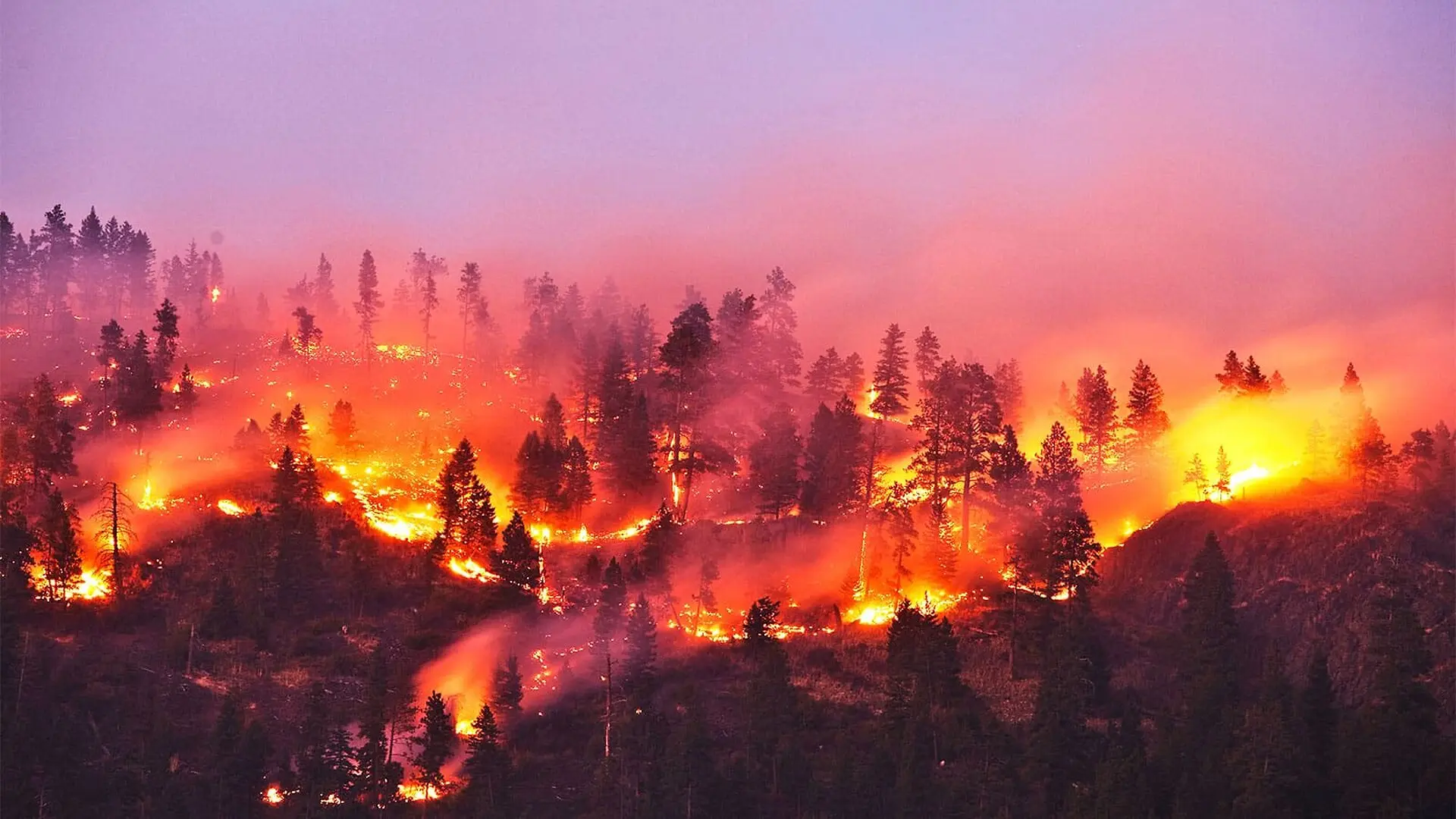
When wildfires erupt across multiple European countries simultaneously, emergency response teams face the daunting challenge of stretching limited resources across vast, disconnected landscapes. A new study, led by researchers at ETH Zurich and the WSL Institute for Snow and Avalanche Research SLF, has identified the specific large-scale atmospheric conditions that act as catalysts for these widespread, synchronous fire events.
Predicting Multi-Region Fire Outbreaks
The research, published by a team including hydrologist Manuela Brunner and forest fire expert Xinhang Li, focuses on how persistent weather regimes—stable, large-scale patterns that linger for days or weeks—create favorable conditions for fire ignition across disparate regions. By identifying these patterns, the researchers aim to improve early warning systems, potentially extending lead times for fire management crews from mere hours to as much as two weeks.
“Our findings help with developing better early warning systems for synchronous forest fires,” says Li. These insights provide a critical window for authorities to position firefighting aircraft and personnel before an emergency escalates.
Atmospheric Triggers and Regional Impacts
The study, which analyzed satellite fire data from 2001 to 2020, uncovered unexpected links between distant geographical areas. For instance, a persistent high-pressure system positioned over Scandinavia during the summer months is associated with heightened fire risk not just in the far north, but also in Italy and the Balkans. Conversely, a stable low-pressure system over the same northern region during spring appears to prime the Iberian Peninsula and the Balkans for fire outbreaks.
The analysis also highlighted distinct seasonal fire behaviors across the continent. While Scandinavia and Southern Europe typically face their highest risk in summer, Central European regions, including Germany and the United Kingdom, are more prone to spring fires. Meanwhile, the Alps and France show less seasonal predictability.
Li notes that only one of the seven primary weather regimes examined acted as a deterrent to these events. When a phenomenon known as Greenland Blocking occurs, it typically pushes a low-pressure system over mainland Europe, resulting in cooler, wetter conditions that suppress fire activity.
Refining Fire Data Analysis
To ensure the accuracy of their findings, the researchers filtered satellite imagery to exclude agricultural burning and fires in built-up areas, focusing strictly on forest blazes. While this approach omits smaller fires that may not be detectable from orbit, it provides a clearer picture of the large-scale climate drivers behind major wildfire events.
The study corroborates historical data, including the severe summer of 2026, when simultaneous wildfires in France and Spain forced mass evacuations. The research team identified that the atmospheric conditions during that crisis—characterized by a long-standing high-pressure system over the North Atlantic—aligned precisely with the broader trends identified in their historical analysis.
This article has been fact checked for accuracy, with information verified against reputable sources. Learn more about us and our editorial process.
Last reviewed on .
Article history
- Latest version
Cite this page:
- Posted by Vikram Desai