Chemical Additives Fix Nutrient Imbalances in Extreme Compost Mixtures
Adding specific organic precursors to unbalanced mushroom waste and manure blends accelerates maturity and improves nitrogen retention in laboratory tests.
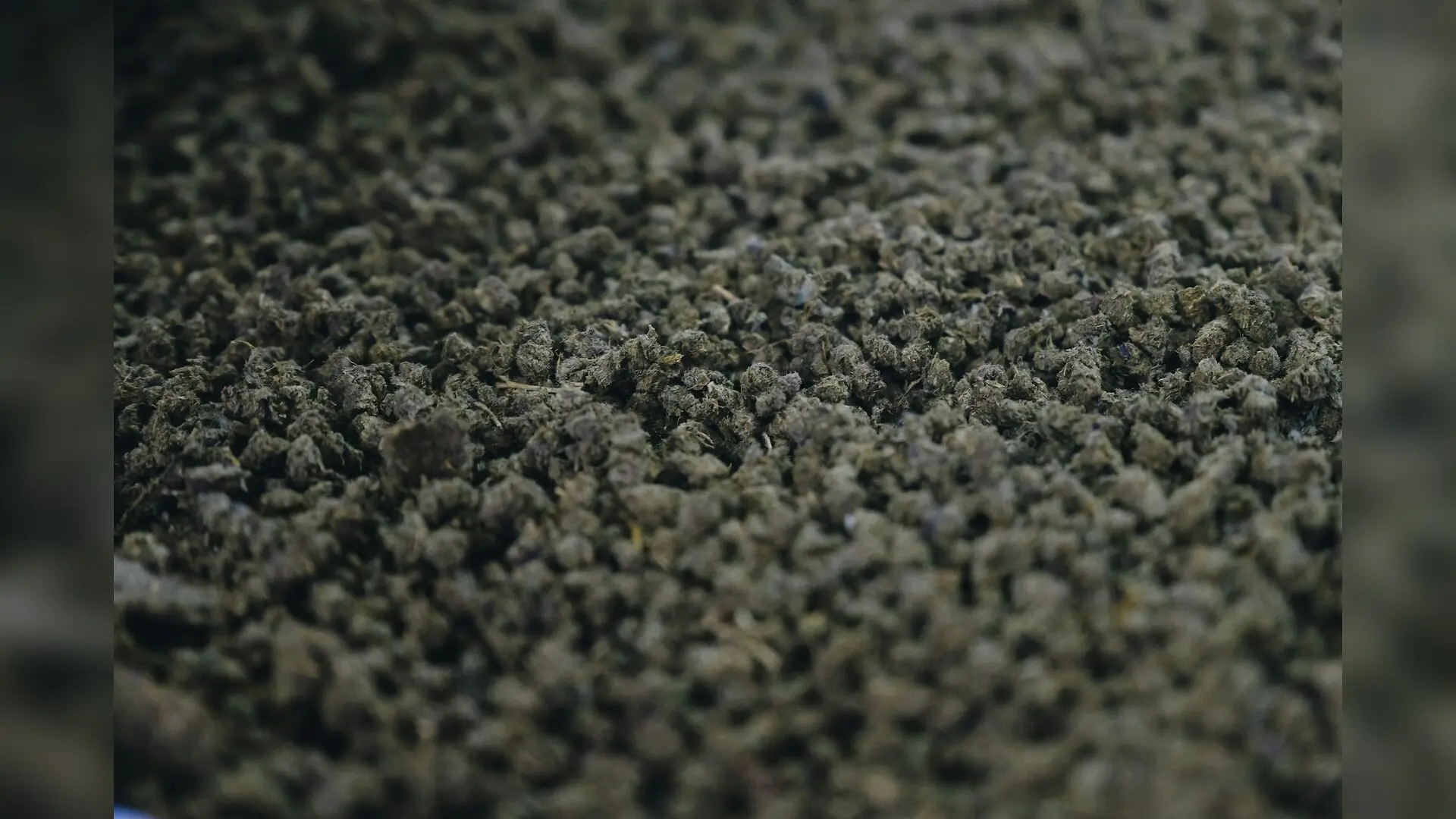
Adding specific chemical building blocks to agricultural waste compost can overcome nutrient imbalances caused by extreme mixing ratios, according to a study published in PLOS One. Researchers investigated how spent mushroom substrate and pig manure, two major organic byproducts of farming, behave when co-composted under unbalanced conditions.
Testing Chemical Precursors on Extreme Composting Ratios
The research team, led by Ming Sun and colleagues, examined two contrasting extreme mixing ratios during a 120-day laboratory incubation experiment. The first setup used a 9-to-1 ratio of spent mushroom substrate from Pholiota nameko mushroom cultivation to pig manure, creating a carbon-rich and nitrogen-poor environment with high lignocellulose content. The second setup inverted this mixture to a 1-to-9 ratio, producing a nitrogen-rich and carbon-limited environment.
To regulate these unbalanced systems, the scientists added three specific Maillard reaction precursors, which are known chemical catalysts for humification. These compounds included catechol as a phenolic component, glucose as a carbon source, and glycine as an amino acid. The experiments were conducted in small static containers kept at a controlled temperature of 28 degrees Celsius to isolate the chemical processes from temperature fluctuations.
How Different Additives Reshaped Compost Quality
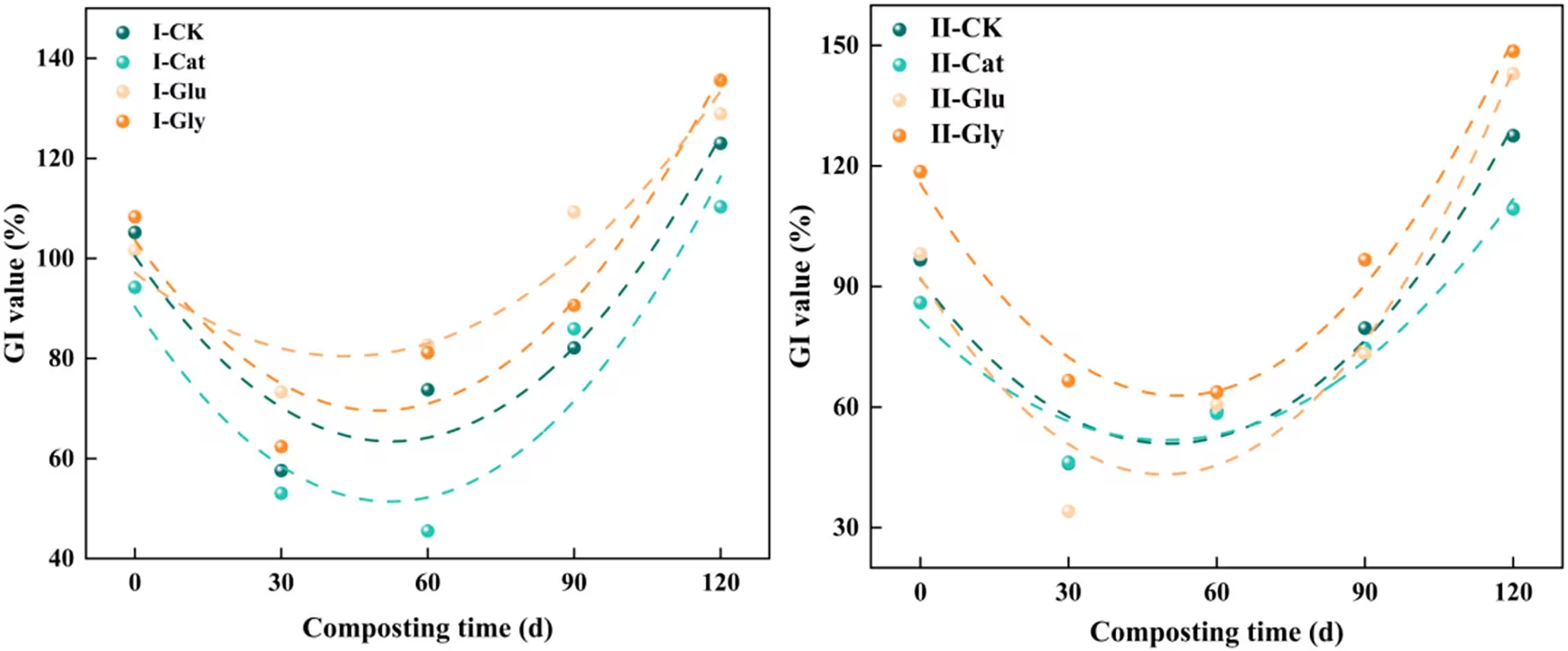
The results showed that different precursors acted in distinct ways depending on the initial feedstock proportions. Glucose supplementation produced the most significant reduction in phytotoxicity, raising the germination index of cucumber seeds above the 85 percent threshold required for agricultural safety. In the nitrogen-rich pig manure system, glucose addition increased the germination index by 45.7 percent and accelerated the breakdown of organic matter by up to 36.8 percent.
Glycine proved most effective at retaining nitrogen and preventing nutrient loss in the carbon-heavy mushroom substrate system. While untreated control groups suffered total nitrogen losses of up to 10.0 percent due to ammonia volatilization, glycine-amended groups accumulated total nitrogen, increasing it by 18.7 percent in the high-mushroom mixture and 29.4 percent in the pig manure mixture. Glycine incorporated its nitrogen directly into the molecular skeleton of humic acid, lowering the carbon-to-nitrogen ratio of the humic substances.
Understanding the Limits and Practical Outlook
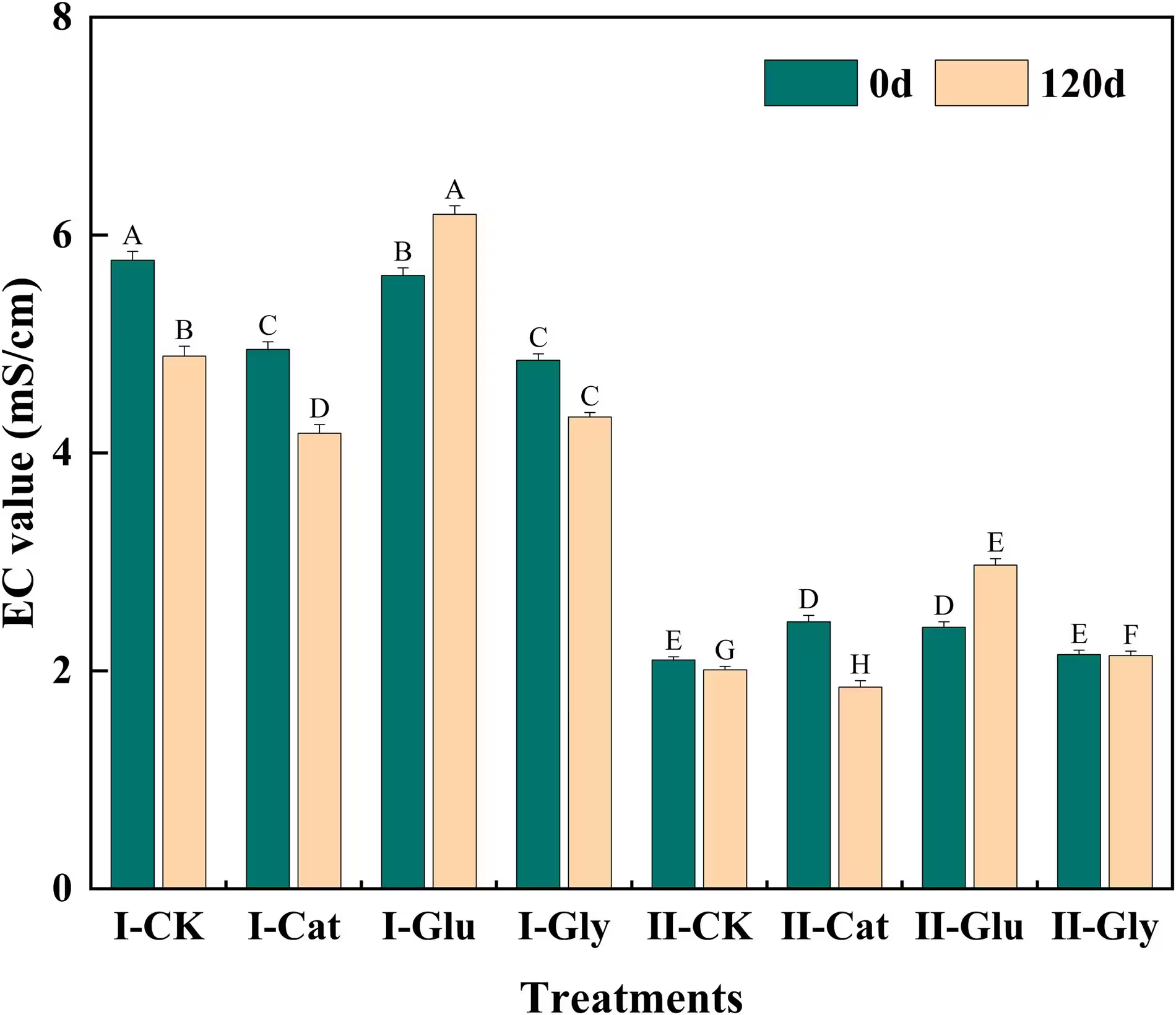
Catechol addition lowered compost salinity through ion chelation but resulted in a slower humification rate, failing to meet full maturity criteria within the 120-day window. Structural analyses using infrared spectroscopy and three-dimensional fluorescence confirmed that the precursors successfully drove the conversion of unstable organic compounds into stable aromatic humic structures.
The authors noted important limitations to consider when interpreting these findings. The laboratory-scale setup operated at a constant 28 degrees Celsius and could not reproduce the self-heating thermophilic phases found in large commercial compost piles. Furthermore, using pure chemical reagents is suitable for mechanistic research but requires future translation to low-cost industrial by-products, such as molasses or protein hydrolysates, for real-world agricultural applications.
The research was published in PLOS One on November 19, 2026.
This article has been fact checked for accuracy, with information verified against reputable sources. Learn more about us and our editorial process.
Last reviewed on .
Article history
- Latest version
Reference(s)
- Sun, Ming., et al. “Regulatory effects of Maillard reaction precursors on humification during co-composting of spent mushroom substrate and pig manure at extreme mixing ratios.” PLOS One, vol. 21, no. 11, November 19, 2026, pp. e0363382 Public Library of Science (PLoS), doi: 10.1371/journal.pone.0363382. <https://doi.org/10.1371/journal.pone.0363382>.
Cite this page:
- Posted by Bilal Abbasi