Teenage Plant-Based Diets Boost Adult Metabolic Health While Straining Water Resources
Long-term study reveals how adolescent plant-based eating patterns shape nutrient adequacy, greenhouse gas emissions, and metabolic risk markers in early adulthood.

Adolescent plant-based diets can improve nutrient adequacy and support metabolic health in early adulthood, but they also introduce distinct environmental trade-offs, according to a long-term study.
How Does Plant-Based Eating During Adolescence Shape Adult Health?
Dietary habits formed during teenage years play a crucial role in shaping long-term health and the risk of chronic conditions later in life. To better understand these effects, researchers examined data from 415 participants in the Dortmund Nutritional and Anthropometric Longitudinally Designed cohort study in Germany. The findings are published in PLOS One, shedding light on the complex interplay between sustainable nutrition, nutrient intake, and metabolic markers.
The research team, led by Karen van de Locht and Ute Nöthlings from the University of Bonn, analyzed repeated three-day weighed dietary records collected when participants were between 8.5 and 16.4 years old. The scientists evaluated adherence to several established plant-based dietary scores, including the Planetary Health Diet Index and various plant-based diet indices that distinguish between healthful and unhealthful plant foods. They then compared these dietary patterns with blood markers, body mass index, and environmental impact indicators measured when the participants reached at least 18 years of age.
What Did the Dietary Scores Reveal About Nutrient Adequacy?
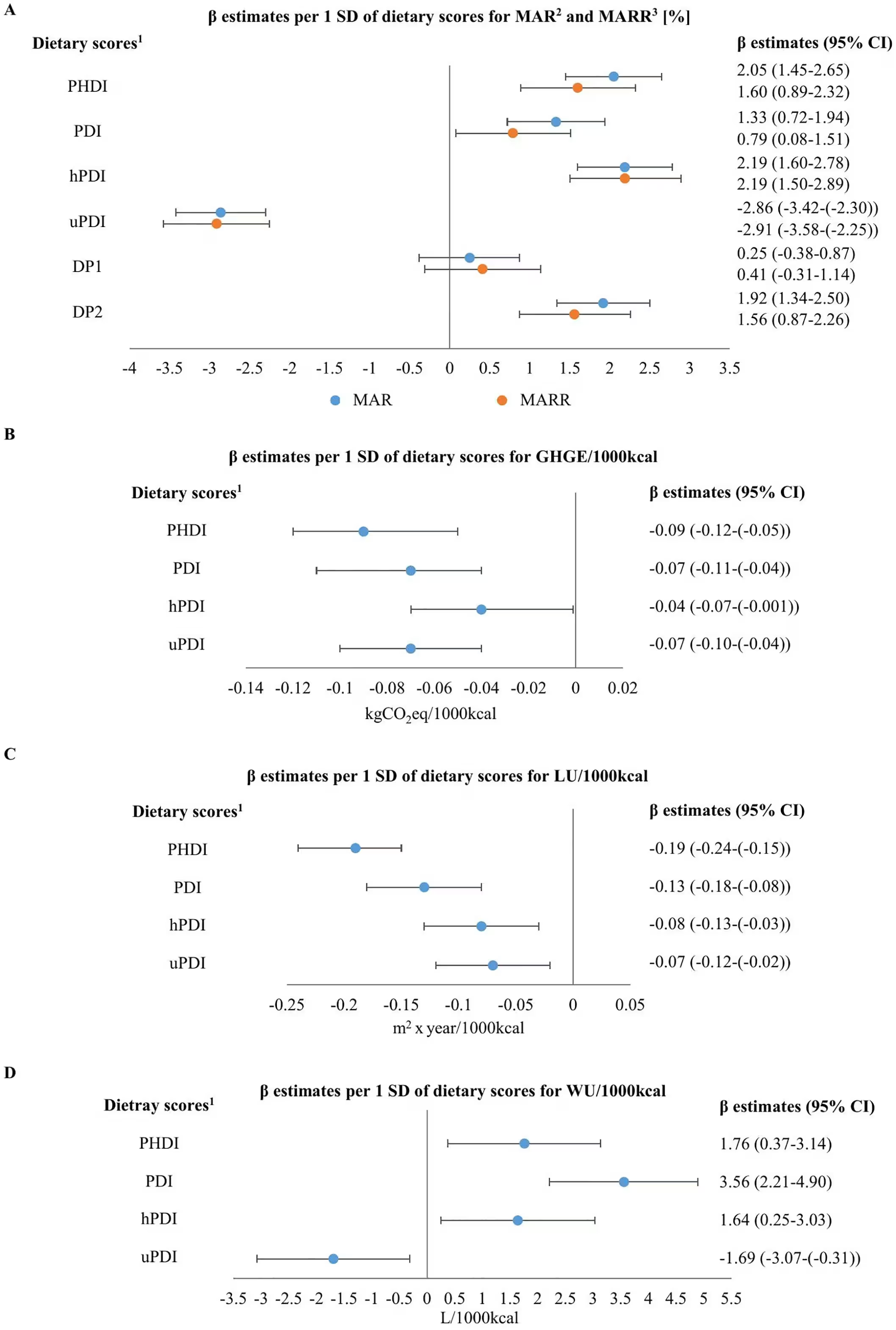
Overall nutrient adequacy increased significantly for teenagers who followed higher-quality plant-based diets or adhered more closely to planetary health guidelines. Specifically, higher scores on the Planetary Health Diet Index, healthful plant-based diet index, and an exploratory plant-based dietary pattern were positively associated with the Mean Adequacy Ratio, a standard measure of essential nutrient intake.
Conversely, an unhealthful plant-based diet index showed a clear inverse association with nutrient adequacy. The data also indicated that animal-source foods still played a relevant role for achieving adequate micronutrient intake in certain diets, highlighting that the nutritional value of a plant-based diet depends heavily on food selection rather than simply reducing meat consumption.
Are Sustainable Diets Always Beneficial for the Environment?
When assessing environmental sustainability indicators, the study tracked greenhouse gas emissions, land use, and blue water use associated with the reported foods. Greater adherence to plant-based and planetary health diets was cross-sectionally associated with lower greenhouse gas emissions and reduced land use. The Planetary Health Diet Index showed the greatest reduction across these two ecological metrics.
However, the analysis uncovered an environmental trade-off regarding water consumption. Most plant-based dietary patterns were associated with higher water use, driven largely by the inclusion of resource-intensive plant foods such as fruits, vegetables, and nuts. Only unhealthful plant-based patterns were linked to lower water use in this specific cohort.
How Do Teenage Diets Impact Metabolic Health Years Later?
In prospective analyses examining health markers in early adulthood, higher adherence to the Planetary Health Diet Index during adolescence was associated with lower fasting plasma glucose levels and, among males, a lower body mass index. Similarly, a healthful plant-based diet index predicted lower fasting blood glucose levels, while an unhealthful plant-based diet showed adverse associations with glucose metabolism.
The results for blood lipid profiles presented unexpected complexities, as certain healthy plant-based scores were associated with lower high-density lipoprotein cholesterol or higher low-density lipoprotein cholesterol in specific sex strata. The authors noted that the observational nature of the study, the relatively healthy and high-socioeconomic status of the cohort, and limitations inherent in short-term dietary records mean these results should be interpreted with appropriate caution.
The research was published in PLOS One on November 25, 2026.
This article has been fact checked for accuracy, with information verified against reputable sources. Learn more about us and our editorial process.
Last reviewed on .
Article history
- Latest version
Reference(s)
- van de Locht, Karen., et al. “Adolescent plant-based dietary patterns are associated with environmental sustainability, nutrient adequacy, and metabolic health in early adulthood: Results from the German DONALD cohort study.” PLOS One, vol. 21, no. 11, November 25, 2026, pp. e0356667 Public Library of Science (PLoS), doi: 10.1371/journal.pone.0356667. <https://doi.org/10.1371/journal.pone.0356667>.
Cite this page:
- Posted by Bilal Abbasi