Portable Diabetes Testers Hold Promise For Remote Regions
A new review maps point-of-care testing devices across Asia, highlighting both logistical potential and analytical limits for rural healthcare.
A lack of affordable on-site testing for type 2 diabetes in low-resource settings leaves millions of adults vulnerable to severe, preventable health complications. Point-of-care testing devices could bridge this clinical gap by delivering rapid blood sugar measurements outside of traditional hospital laboratories.
Mapping Diabetes Testing Across Nepal and the Wider Region
Type 2 diabetes affects approximately 589 million adults globally, a figure projected to climb to 853 million by 2050. In low- and middle-income regions such as South and Southeast Asia, fragile healthcare infrastructure frequently delays diagnosis. While glycated hemoglobin measurement serves as the gold standard for long-term blood glucose tracking, routine access in countries like Nepal remains restricted. Public sector testing costs roughly three dollars and eighty-four cents, representing half a day of wages for minimum-wage workers, and only about fifty-five percent of secondary and tertiary public hospitals can perform the test on-site.
To examine how portable testing devices might overcome these barriers, researchers conducted a comprehensive literature review published in PLOS One. Led by a team including scientists from Tokyo Women’s Medical University and Dhulikhel Hospital, the study set out to map which testing instruments have been utilized in Nepal, evaluate point-of-care options across twenty-three Asian countries, and assess the reporting quality of device specifications in previous scientific literature.
Device Transparency and Regional Variations
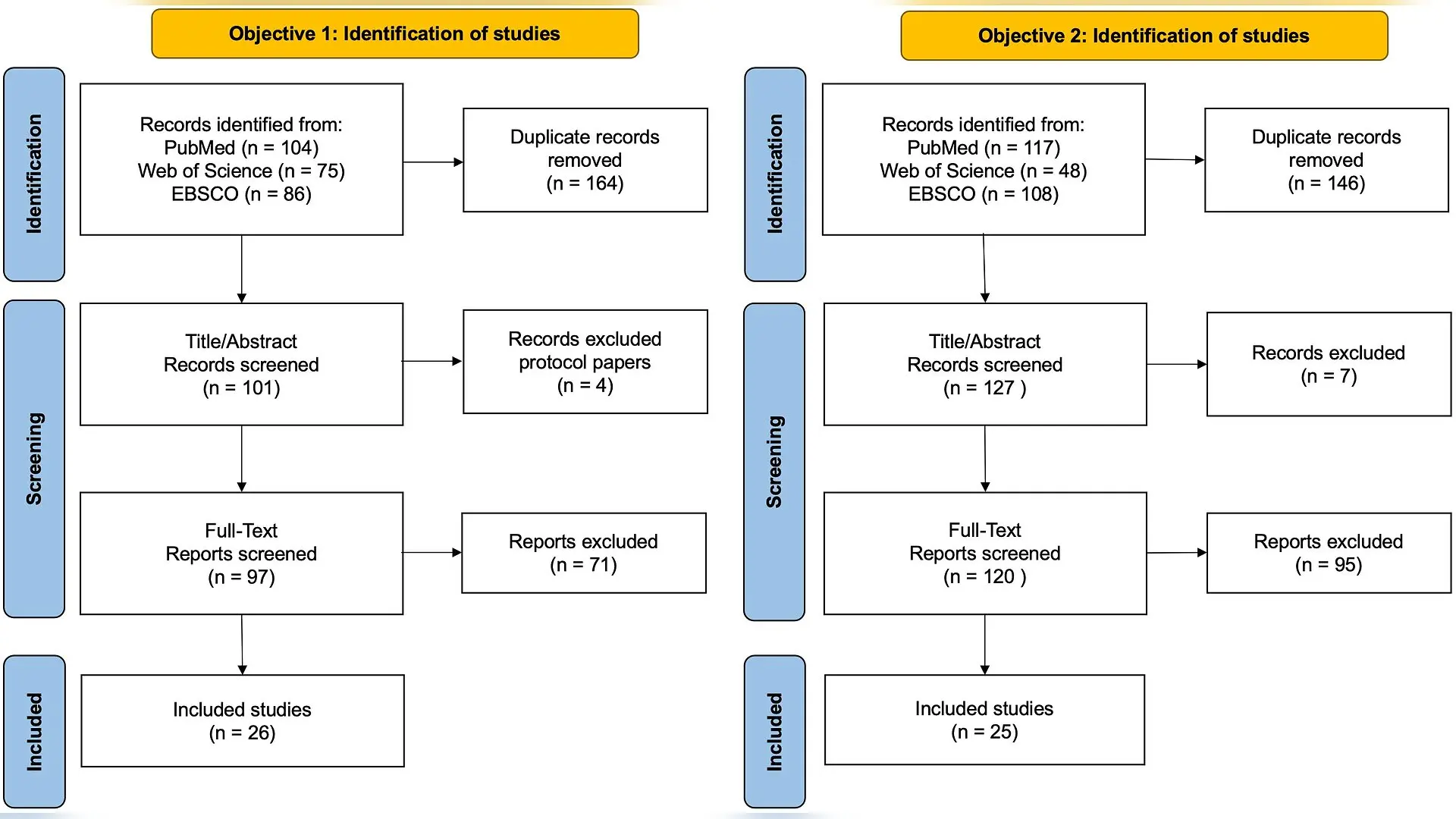
The scoping review followed international scoping review guidelines and analyzed studies published between January 2000 and January 2025. For the first objective focusing on Nepal, the authors identified twenty-six studies utilizing diverse measurement platforms. Twelve studies relied on centralized laboratory instruments restricted to urban hospitals, requiring stable electricity and air conditioning. Fourteen studies implemented point-of-care devices capable of analyzing capillary whole blood in minutes, such as the DCA Vantage, Afinion 2, and NycoCard Reader II.
For the second objective covering broader Asian countries, the team extracted twenty-five studies across eleven nations, led by China, Thailand, South Korea, and India. This regional search revealed a wider array of portable technologies, including the A1C EZ 2.0, HemoCue HbA1c 501, and SD A1cCare. For the third objective, an evaluation of sixty-seven studies published from 2010 onward demonstrated that while device models and manufacturers were usually specified, technical details such as assay principles and quality control procedures varied widely between dedicated performance evaluations and general clinical studies.
Contextual Realities and Future Implementation Limits
The findings indicate that while portable analyzers offer operational flexibility for remote screenings, their real-world integration requires careful oversight. Field evaluations in rural Nepal noted that certain newer systems faced moderate analytical bias or struggled with high ambient temperatures and power fluctuations. Furthermore, certain devices showed reduced reliability when testing patients carrying common hemoglobin variants, highlighting the necessity of confirmatory laboratory testing.
The authors emphasize several limitations, noting that the review relied solely on published literature without directly auditing local procurement supply chains, import regulations, or long-term maintenance costs in Nepal. Consequently, the presence of a device in research publications does not guarantee routine accessibility or affordability within the public healthcare system. Future clinical deployment will depend on establishing robust external quality assessment frameworks, proper provider training, and continuous performance monitoring.
The research was published in PLOS One on November 19, 2026.
This article has been fact checked for accuracy, with information verified against reputable sources. Learn more about us and our editorial process.
Last reviewed on .
Article history
- Latest version
Reference(s)
- Iwashita, Hanako., et al. “Scoping review of HbA1c device use in selected Asian countries: Implications for point-of-care testing in Nepal.” PLOS One, vol. 21, no. 11, November 19, 2026, pp. e0340245 Public Library of Science (PLoS), doi: 10.1371/journal.pone.0340245. <https://doi.org/10.1371/journal.pone.0340245>.
Cite this page:
- Posted by Robert Brown