Over Sixty Percent of Nurses Face Depression and Anxiety in Hospital Study
New research from Ghana highlights how shift work, frontline COVID-19 exposure, and cultural factors shape mental health risks among hospital nurses.
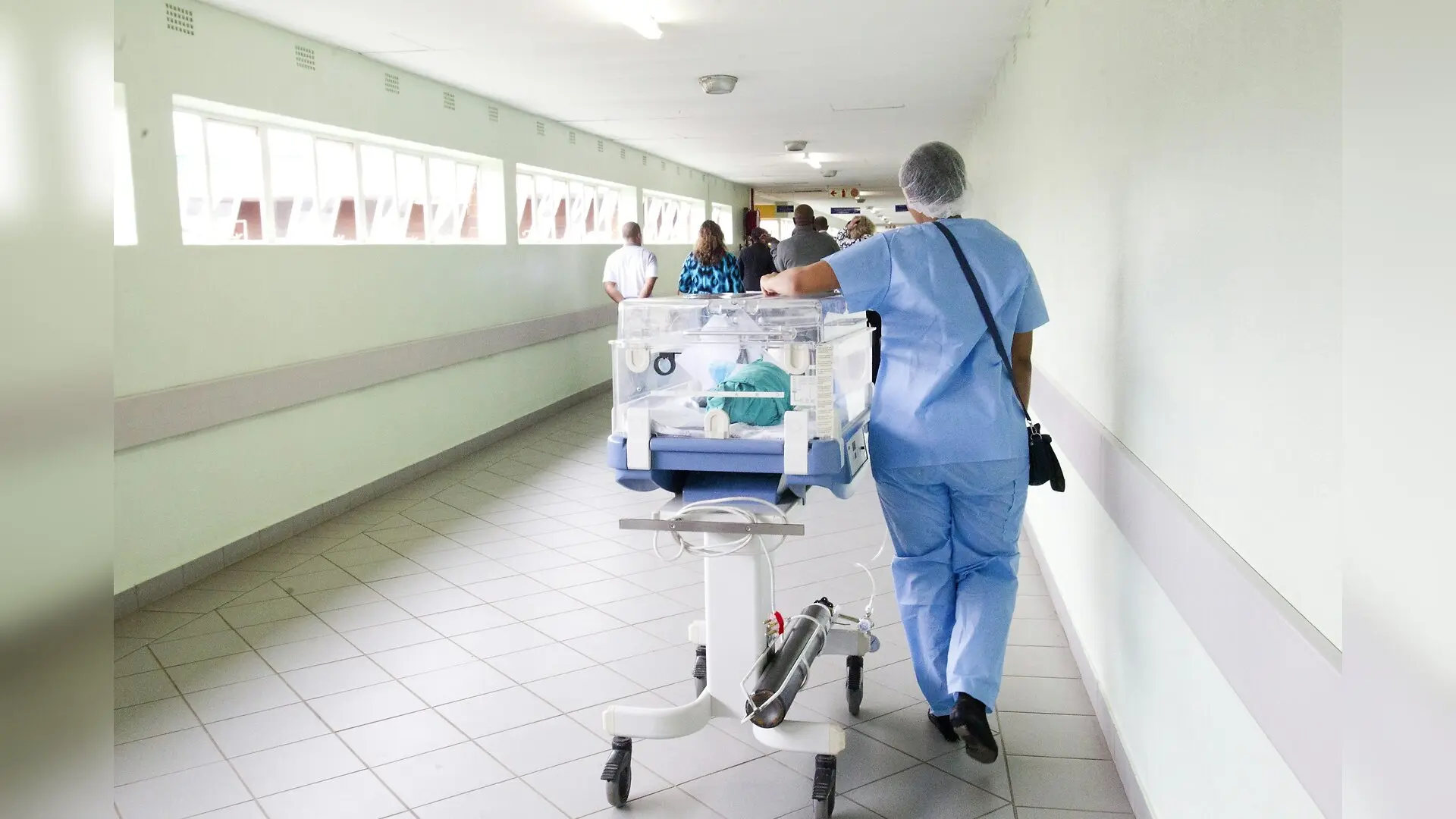
More than 65 percent of nurses working at a general hospital in Ghana experienced symptoms of depression, anxiety, or stress during the later stages of the COVID-19 pandemic, according to a cross-sectional study. The research highlights a heavy psychological toll among healthcare workers, driven not only by daily job pressures and frontline exposure to the virus, but also by underlying socio-cultural factors such as ethnicity and religious affiliation.
High Rates of Emotional Distress Among Healthcare Personnel
Mental health conditions remain a leading contributor to global disability, yet access to specialized psychiatric care in sub-Saharan Africa remains severely restricted. Nursing is an inherently demanding profession, exposing practitioners to heavy workloads, long hours, and emotionally charged patient interactions. To measure the extent of this psychological strain, researchers evaluated 302 nurses at the Ledzokuku-Krowor Municipal Assembly (LEKMA) Hospital in the Greater Accra Region of Ghana. The findings are published in PLOS One.
The research team assessed participants using the 21-item Depression, Anxiety and Stress Scales (DASS-21), a validated screening tool that measures negative emotional states over the preceding week. The results showed that 66.56 percent of the nurses suffered from at least one of the three conditions. Specifically, 54.30 percent met the threshold for depression, 64.57 percent for anxiety, and 37.75 percent for stress. Anxiety emerged as the most prevalent condition, with over 32 percent of respondents scoring in the extremely severe category.
Occupational Stressors and Frontline Vulnerabilities
The study identified multiple workplace and lifestyle variables tied to poor mental health outcomes. Nurses stationed in emergency departments faced significantly higher odds of depression and stress compared to their peers in inpatient wards, a discrepancy the authors attribute to the rapid decision-making and traumatic exposures inherent to emergency care. Shift patterns also played a crucial role, with night-shift workers exhibiting more than double the odds of stress compared to those working regular day shifts.
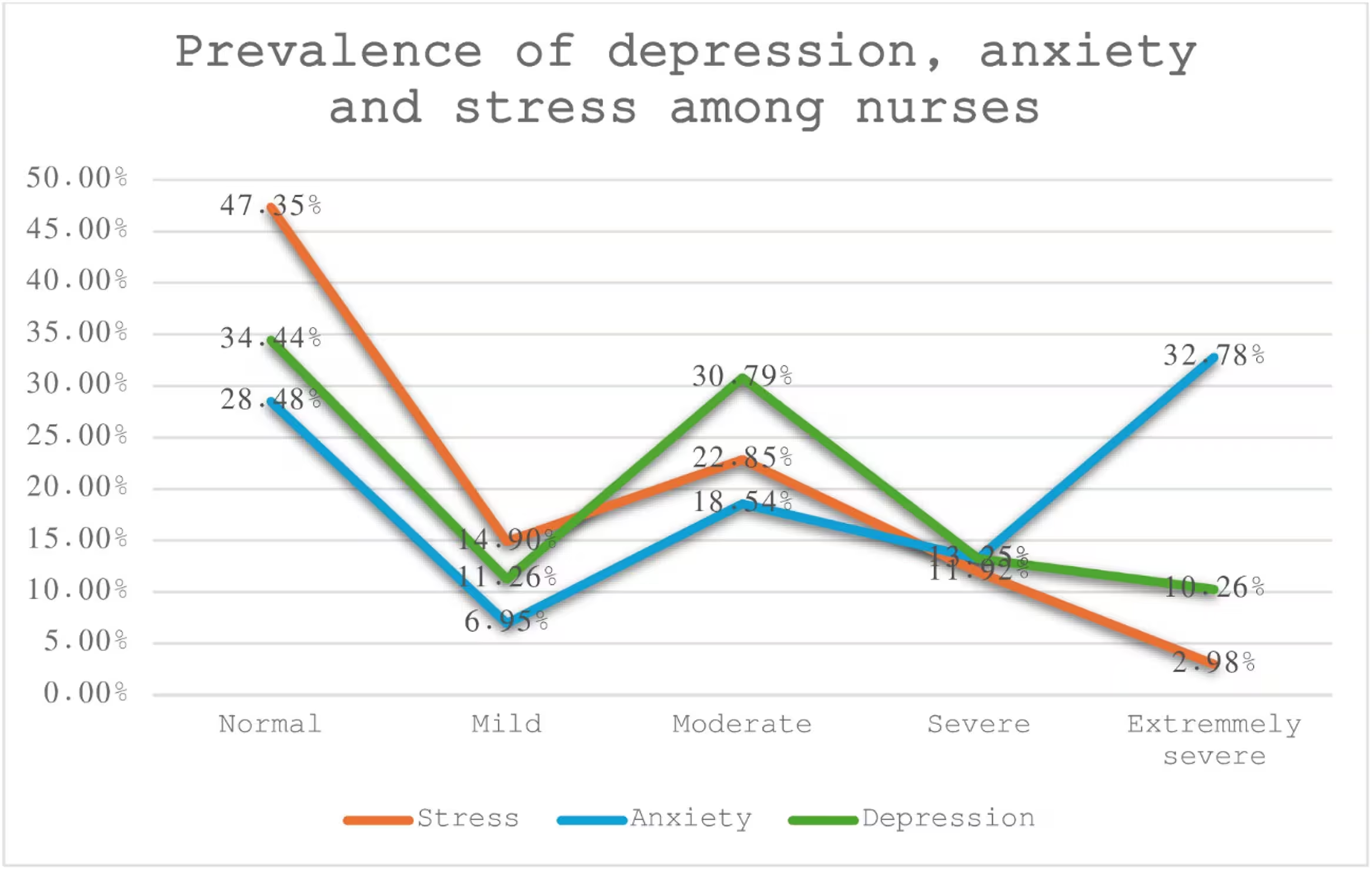
Direct exposure to patients with confirmed cases of SARS-CoV-2 was associated with nearly twice the odds of anxiety and more than double the odds of depression. Furthermore, working longer hours exceeding 50 hours per week and possessing between five and ten years of professional experience correlated strongly with elevated psychological distress. Interestingly, engaging in regular physical activity was associated with 56 percent lower odds of both anxiety and stress, pointing to lifestyle habits that may buffer against burnout.
Socio-Cultural Influences and Study Limitations
Beyond traditional workplace metrics, the authors analyzed how cultural diversity within Ghana shapes mental health. Belonging to specific ethnic groups, such as the Ewe, was associated with lower odds of anxiety compared to the Akan reference group. Conversely, nurses practicing Traditional religions exhibited significantly higher odds of stress compared to Christian participants, though the authors note that small sample sizes within certain demographic subgroups require cautious interpretation.
The investigators acknowledge several limitations, including the cross-sectional design, which captures a single point in time and prevents causal conclusions. Because the data relied on self-reported questionnaires rather than formal clinical diagnoses, recall bias may have influenced responses. Furthermore, the study took place at a single municipal medical facility, meaning the findings may not fully represent nursing populations in other regions of Ghana or differing healthcare systems.
The research was published in PLOS One on November 19, 2026.
This article has been fact checked for accuracy, with information verified against reputable sources. Learn more about us and our editorial process.
Last reviewed on .
Article history
- Latest version
Reference(s)
- Arthur, Grace., et al. “Ethnic, religious, and occupational disparities in the prevalence of depression, anxiety, and stress among Ghanaian Nurses.” PLOS One, vol. 21, no. 11, November 19, 2026, pp. e0363071 Public Library of Science (PLoS), doi: 10.1371/journal.pone.0363071. <https://doi.org/10.1371/journal.pone.0363071>.
Cite this page:
- Posted by Priya Sharma