Hidden Obstacles Threaten Temperature Control During Hip Surgery
A qualitative study reveals why medical teams struggle to protect elderly joint replacement patients from dangerous surgical cooling.
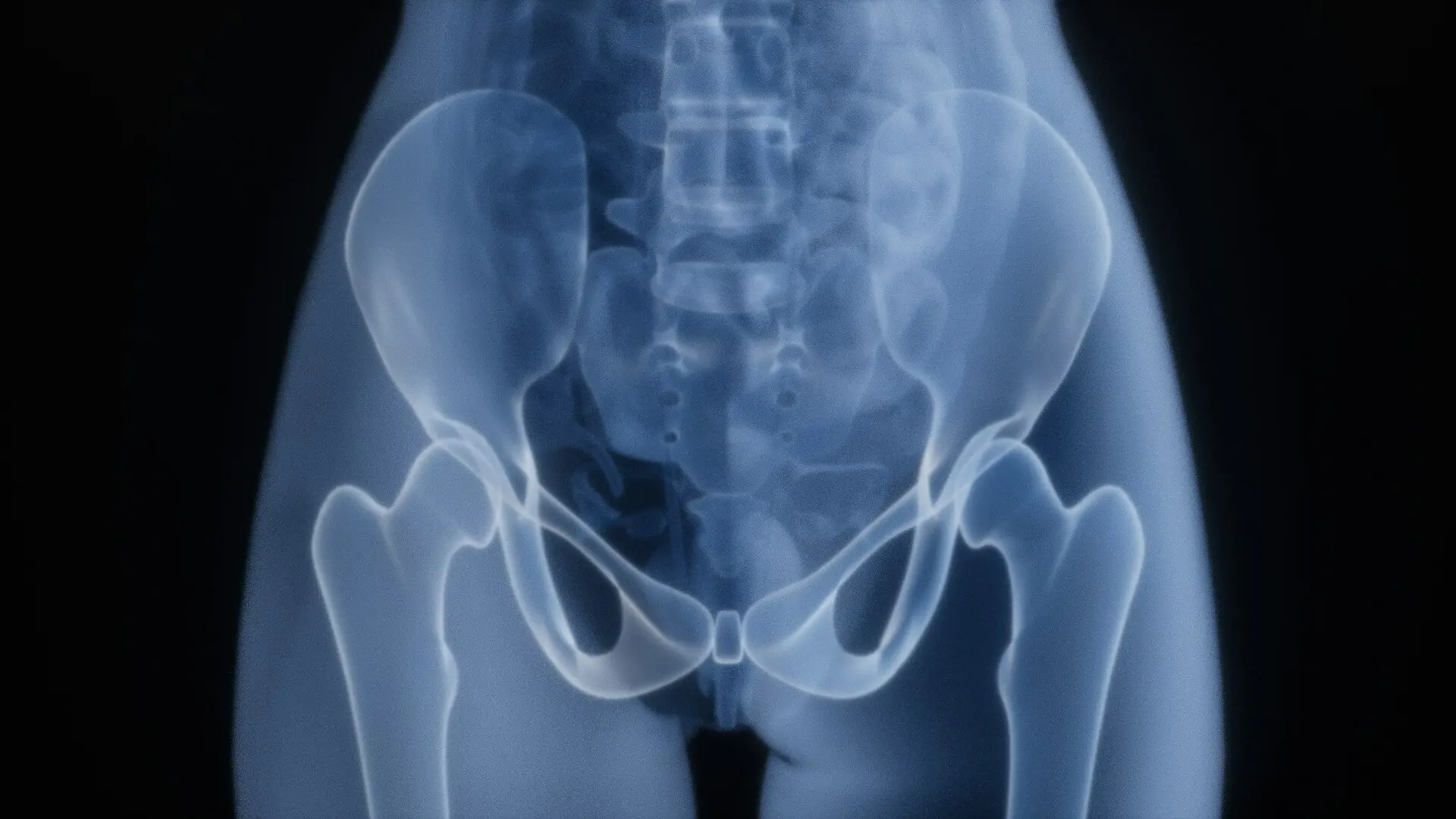
Elderly patients undergoing major joint surgery face a startlingly high risk of dropping to dangerously low core body temperatures, with intraoperative rates reaching 51.67 percent. Unplanned perioperative hypothermia, defined as a core body temperature falling below 36 degrees Celsius, can trigger severe complications such as delayed anesthetic recovery, increased blood loss, and surgical site infections. Researchers investigating how to protect these vulnerable patients discovered that frontline medical staff encounter major systemic roadblocks when trying to keep patients warm across different hospital departments.
What Barriers Prevent Medical Teams From Keeping Patients Warm?
To uncover why temperature management often fails in clinical practice, investigators conducted in-depth interviews with 15 experienced healthcare professionals, including anesthesiologists, anesthesia nurses, and operating room nurses. The research, which was published in PLOS One, revealed three primary categories of obstacles hindering effective thermal care. These included systemic and procedural gaps, human resource limitations, and a lack of structured multidisciplinary coordination between departments.
During the qualitative study, participants highlighted that the transfer phases between the operating room and the post-anesthesia care unit represent critical vulnerabilities. When transport times are tight, patients are frequently moved without preheated blankets, and continuous temperature monitoring is rarely maintained during transit. One operating room nurse noted that blankets covering patients during rushed hallway transfers are seldom preheated, allowing core temperatures to drop at that exact moment.
Why Resource Shortages and Staffing Pressures Complicate Care
Beyond transfer challenges, healthcare providers described severe shortages of active warming equipment and medical devices. Hospital units often possess a fixed number of medical warming blankets, forcing staff to ration thermal supplies and prioritize only the most critically ill patients when multiple surgeries run simultaneously. Transportable warming blankets and intravenous fluid warmers remain scarce, creating an environment where personnel frequently struggle to find or access necessary tools.
High workloads and tight staffing schedules further compromise patient care. In recovery units, a single nurse is frequently assigned to multiple beds simultaneously, making it difficult to monitor subtle signs of cooling in restless or recovering patients. Anesthesiologists reported that heavy daily surgery volumes shift the primary focus toward basic survival and safe ward returns, pushing continuous temperature tracking down the list of immediate priorities.
How Hospitals Plan to Improve Thermal Management
The authors suggest that overcoming these challenges requires a comprehensive shift from reactive responses to proactive defense mechanisms. Recommended improvements include establishing closed-loop warm chain protocols that standardize temperature handovers across every perioperative phase, from the pre-anesthesia preparation room to final recovery. Hospitals must also increase the allocation of portable warming devices, implement flexible staffing strategies during peak surgical hours, and foster a stronger organizational culture that treats thermal regulation as a core safety metric.
Study authors noted certain limitations, including the fact that the research was conducted at a single Grade III Level A hospital in the Guangxi Zhuang Autonomous Region, meaning findings may not fully apply to other medical institutions. Furthermore, the qualitative design focused on identifying the nature of these barriers rather than measuring their exact statistical frequency. Future initiatives involving multidisciplinary committees and joint case reviews aim to bridge these gaps and protect elderly patients from the hidden dangers of surgical cooling.
The research was published in PLOS One on November 20, 2026.
This article has been fact checked for accuracy, with information verified against reputable sources. Learn more about us and our editorial process.
Last reviewed on .
Article history
- Latest version
Reference(s)
- Dou, Cuicui., et al. “Analysis of factors hindering the prevention of perioperative hypothermia in elderly patients undergoing total hip arthroplasty: A qualitative study.” PLOS One, vol. 21, no. 11, November 20, 2026, pp. e0363341 Public Library of Science (PLoS), doi: 10.1371/journal.pone.0363341. <https://doi.org/10.1371/journal.pone.0363341>.
Cite this page:
- Posted by Robert Brown