Virtual Reality Cycling Therapy Boosts Walking and Balance in Spinal Cord Injury Patients
A new feasibility study reveals that combining electrical muscle stimulation with virtual reality racing leads to rapid functional gains.
Five adults with chronic spinal cord injuries experienced meaningful improvements in walking endurance, balance, and leg function after training on a specialized stationary bicycle that combines electrical muscle stimulation with virtual reality racing. The therapy, known as the iCycle, uses targeted electrical impulses to activate lower-limb muscles while users pedal along virtual routes in the online cycling platform Zwift. Researchers at the London Spinal Cord Injury Centre designed the system to encourage active patient participation by tying their voluntary pedaling power directly to an on-screen avatar’s speed.
When individuals with spinal cord injuries use standard exercise bikes, passive motorized movement often yields minimal neurological recovery. To combat this limitation, the iCycle system delivers electrical stimulation on alternate pedal revolutions, allowing the device to measure the user’s independent muscular effort during the unassisted rotations. The findings were published in Spinal Cord Series and Cases, providing a detailed feasibility evaluation of how virtual reality biofeedback can enhance physical rehabilitation protocols.
How Virtual Reality Biofeedback Motivates Physical Effort
During the clinical trial, five participants with incomplete spinal cord injuries completed up to twelve weeks of training, broken into three separate four-week blocks. Participants attended either two or three 30-minute training sessions each week at the Royal National Orthopaedic Hospital in the UK. The setup adjusted each user’s seating position, crank length, and stimulation intensity to ensure maximum comfort before they selected a virtual cycling course.
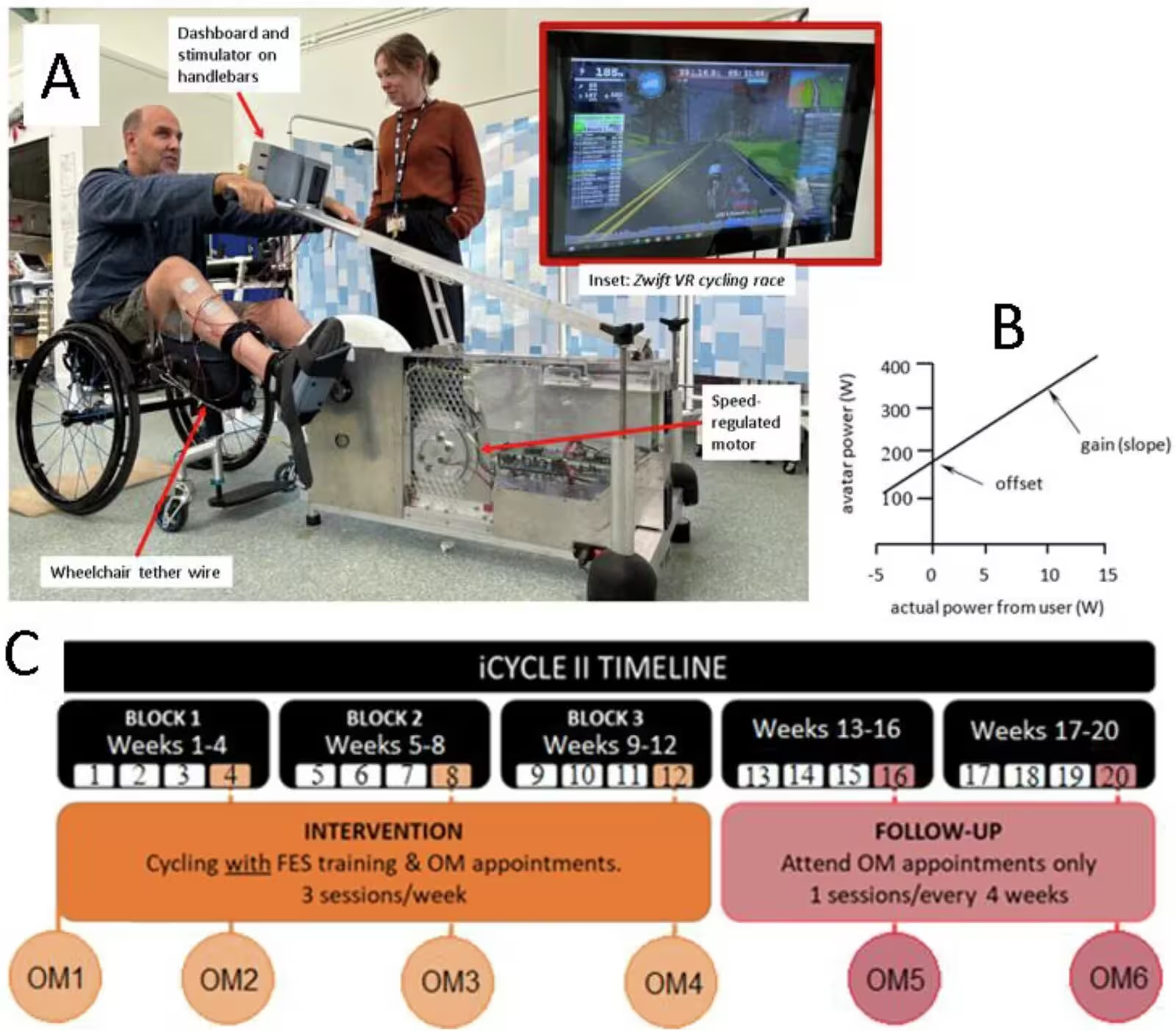
As participants pedaled, a speed-regulated motor maintained their cadence while the virtual reality environment provided visual motivation to keep pushing. Four out of the five participants engaged heavily with the racing software, competing against their own recorded ghost avatars or other online riders. Researchers tracked multiple clinical metrics, including the International Standards of Neurological Classification of Spinal Cord Injury motor and sensory scores, the Berg Balance Scale, the Trunk Impairment Scale, and standard walking tests.
Significant Gains Recorded After the First Four Weeks
The study revealed that the most dramatic functional leaps occurred during the initial four-week block of training. Four participants demonstrated notable gains in walking endurance, registering increases of 90 to 135 meters on the 6-Minute Walk Test. These same individuals also reduced their completion times on the 10-Metre Walk Test and improved their scores on the Walking Index for Spinal Cord Injury.
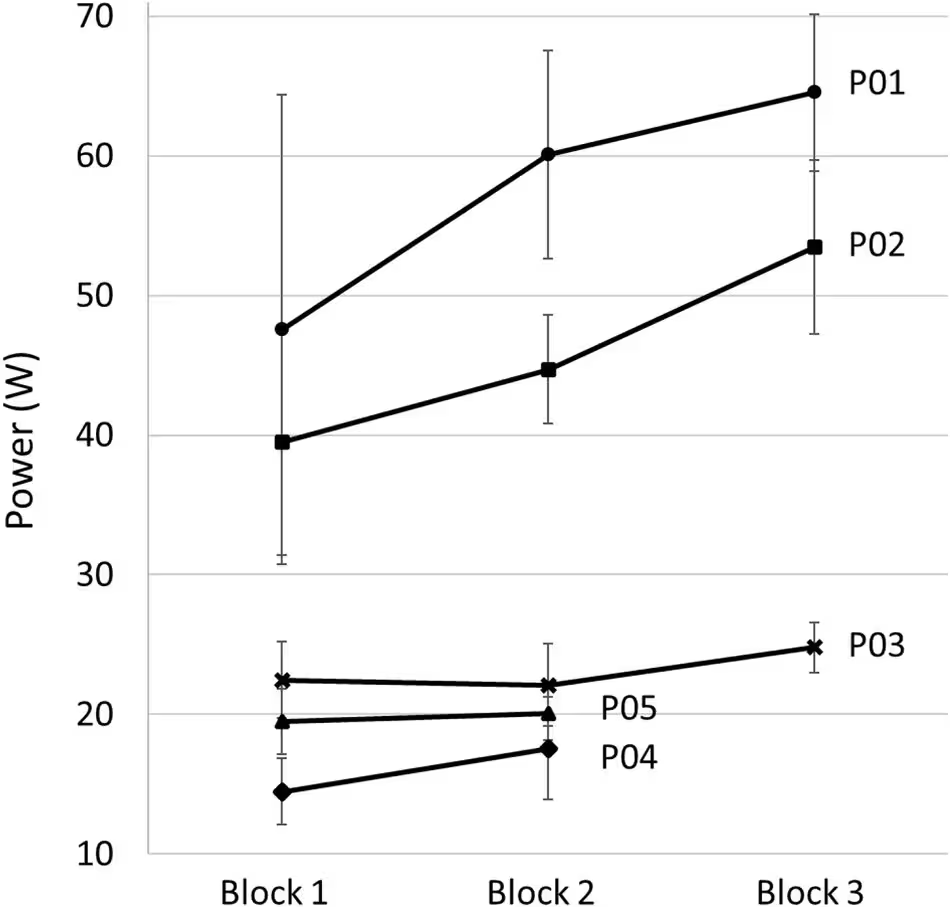
Furthermore, two participants increased their lower extremity motor scores by three to four points. While walking improvements plateaued after the first month for several individuals, measures of balance and voluntary power output continued to climb gradually across the full twelve-week intervention. These sustained increases in physical output point toward broader cardiovascular and stamina benefits resulting from the combined therapy.
Understanding the Limitations and Future Trial Design
Despite the promising outcomes, the authors caution that the design had several limitations that must be addressed in future, larger trials. Because some participants engaged in extra physical therapy or independent walking routines outside of the laboratory setting, the exact contribution of the iCycle training remains difficult to isolate entirely. Additionally, one participant set their electrical stimulation current so low that muscle contractions were negligible, yet still achieved functional improvements.
The research team also noted a strong correlation between stimulated and non-stimulated power output among these specific patients, suggesting that alternating electrical pulses might not be strictly necessary for individuals who retain significant voluntary control. Future clinical evaluations will utilize these insights to refine inclusion criteria, control for outside exercise habits, and test the therapy on a much larger patient population to confirm statistical significance.
The research was published in Spinal cord series and cases on November 14, 2026.
This article has been fact checked for accuracy, with information verified against reputable sources. Learn more about us and our editorial process.
Last reviewed on .
Article history
- Latest version
Reference(s)
- Massey, Sarah., et al. “Functional electrical stimulation-assisted cycling therapy with virtual reality biofeedback for functional recovery in people with chronic spinal cord injury: a feasibility case series.” Spinal Cord Series and Cases, vol. 12, no. 1, November 14, 2026 Springer Science and Business Media LLC, doi: 10.1038/s41394-026-00760-2. <https://doi.org/10.1038/s41394-026-00760-2>.
Cite this page:
- Posted by Priya Sharma