University of Campinas Researchers Find Combined Training Lowers Gut Endotoxins in Men With Obesity
A 24-week exercise regimen improved intestinal permeability markers, reduced cortisol, and boosted the testosterone-to-cortisol ratio.
Researchers at the University of Campinas found that 30 middle-aged men with grade 1 obesity who completed 24 weeks of supervised exercise experienced an 8.0% reduction in circulating lipopolysaccharide levels. The study, published in Archives of Endocrinology and Metabolism, evaluated how combining strength and aerobic training alters blood markers linked to gut health and systemic inflammation.
Obesity often induces chronic, low-grade inflammation driven by excess body fat and changes in gut bacteria. Dysbiosis, an imbalance in the intestinal microbiota, can compromise the intestinal barrier and allow bacterial toxins like lipopolysaccharide to enter the bloodstream. Once inside circulation, these endotoxins trigger inflammatory signaling pathways throughout the body. Researchers wanted to see if a structured workout routine could reverse these markers.
How Exercise Alters Gut Permeability Markers
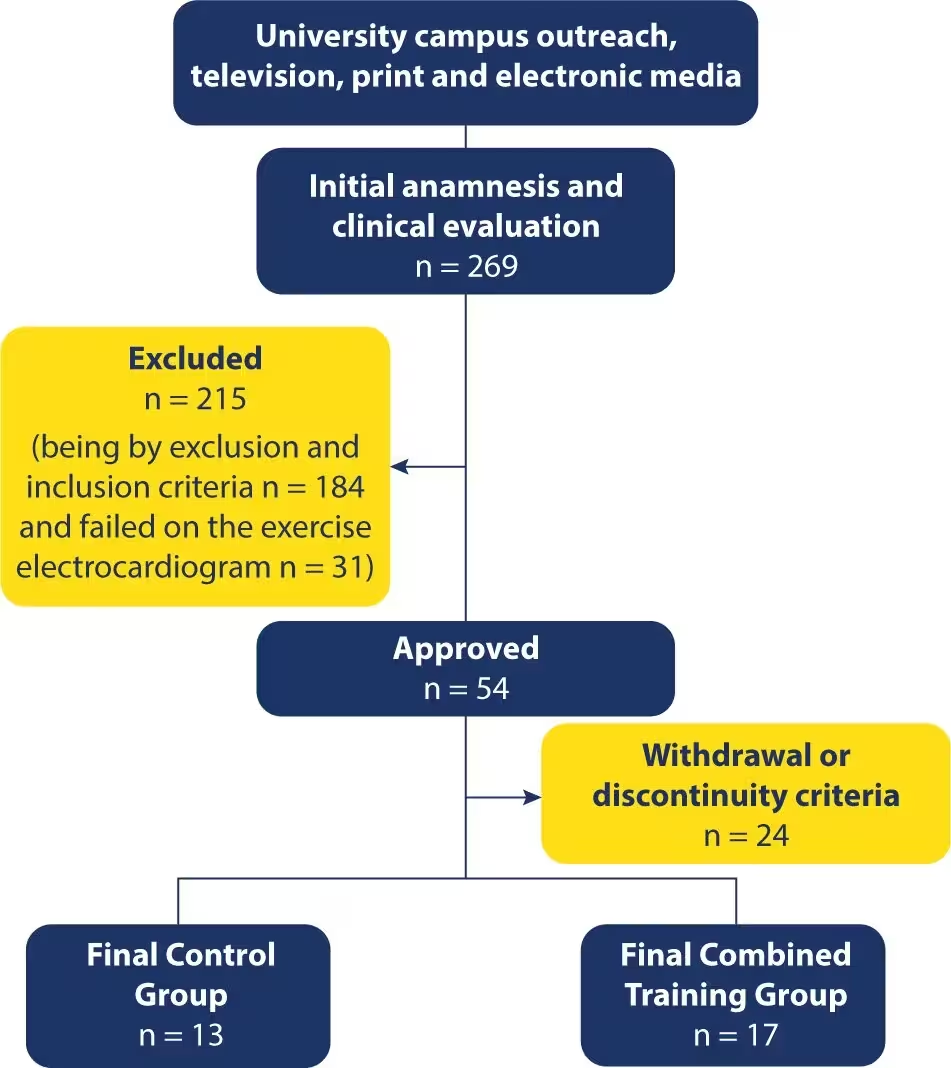
Led by Ivan Luiz Padilha Bonfante and colleagues, the trial assigned 30 participants into either a combined training group or a control group that received monthly check-ins without exercise. The active group completed 60-minute sessions 3 times per week, consisting of resistance exercises followed by running or walking on an athletic track. The routine was divided into 3 distinct phases of 8 weeks each, with workloads adjusted progressively.
By the end of the intervention, the training group showed a threefold greater reduction in prostaglandin E2, a lipid mediator involved in intestinal barrier function and inflammation, compared to the control participants. Circulating lipopolysaccharide decreased by 8.0% in the active group while increasing slightly in the control group. These shifts point to improved gut barrier integrity and reduced systemic endotoxemia resulting from the fitness regimen.
Shifts in Hormones and Immune Cell Profiles
Beyond gut markers, the researchers tracked anabolic and catabolic hormones to measure overall physiological stress. Cortisol levels dropped by 24.9% in the training group, while the testosterone-to-cortisol ratio improved significantly by 42.8%. Obesity is frequently associated with elevated cortisol and suppressed testosterone, creating a hormonal imbalance that promotes further fat accumulation and muscle loss.
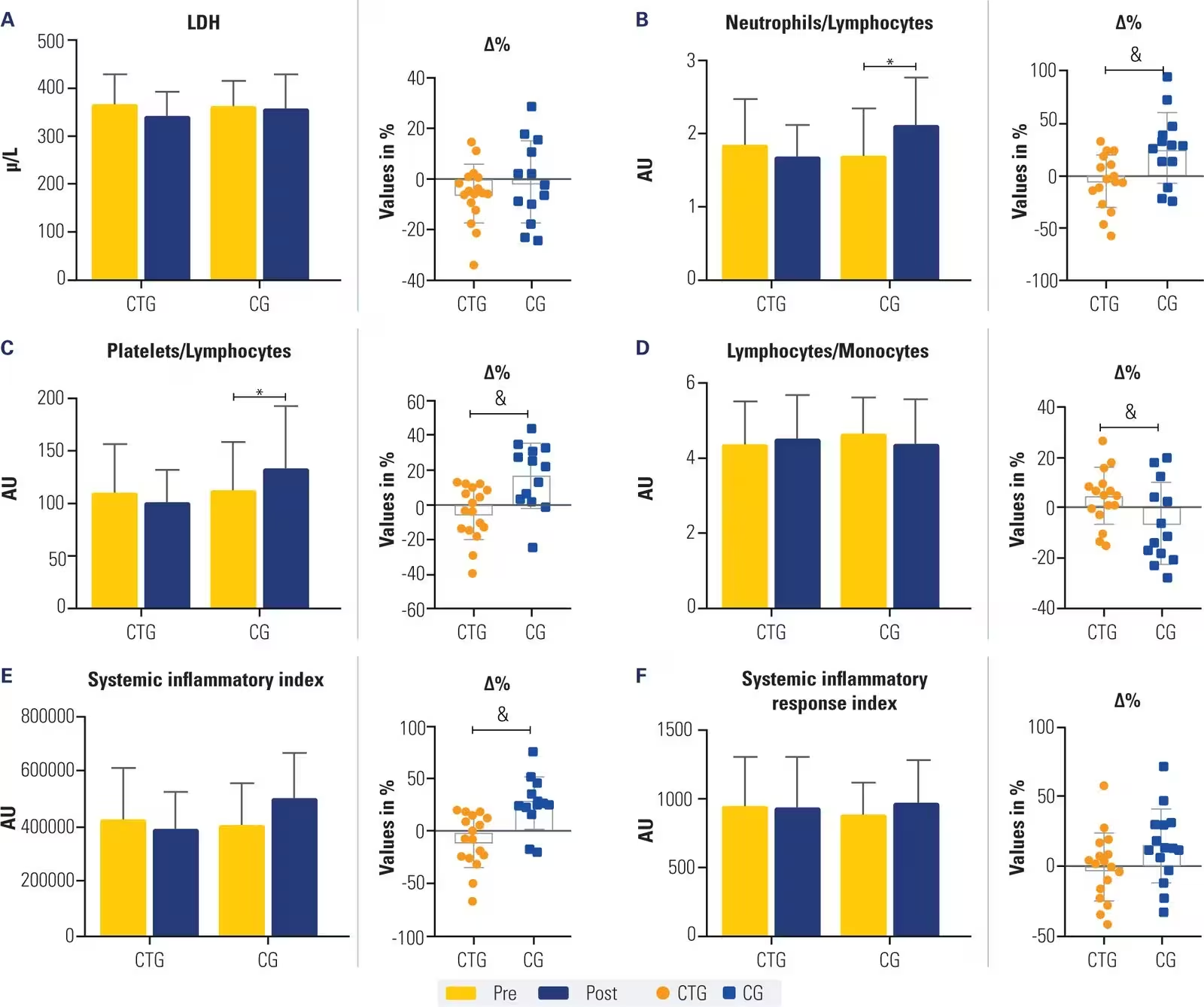
Complete blood counts revealed favorable adaptations in immune cells as well. The training program induced percentage increases in beneficial leukocyte populations, including a 10.2% rise in lymphocytes and an 11.6% increase in monocytes. Meanwhile, composite inflammatory indices such as the neutrophil-to-lymphocyte ratio and the systemic inflammatory index decreased in the exercising men, contrasting with worsening profiles observed in the sedentary control group.
What These Immunometabolic Changes Mean
The authors note that the observed improvements reflect an enhanced immunometabolic status, combining better hormonal regulation with lower systemic inflammation. Because physical fitness correlates with greater gut microbiome diversity, the researchers suggest that the dual approach of strength and aerobic work supports both muscular adaptations and metabolic health. Participants maintained stable dietary patterns throughout the trial, ensuring the physiological changes stemmed primarily from the exercise protocol.
Despite these promising results, the study has notable limitations that warrant caution. The trial included a relatively small sample of 30 participants and focused exclusively on middle-aged men with grade 1 obesity who lacked major comorbidities like type 2 diabetes. Furthermore, while dietary intake was monitored using periodic food records, daily nutritional intake prior to blood draws was not strictly controlled. The authors emphasize that larger trials involving diverse populations are necessary to fully map how exercise alters gut-derived inflammation.
The research was published in Archives of endocrinology and metabolism on November 27, 2026.
This article has been fact checked for accuracy, with information verified against reputable sources. Learn more about us and our editorial process.
Last reviewed on .
Article history
- Latest version
Reference(s)
- Bonfante, Ivan Luiz Padilha., et al. “Effects of combined training on hormones, hematological markers, and inflammatory parameters related to intestinal permeability in individuals with obesity.” Archives of Endocrinology and Metabolism, vol. 70, no. 6, January 1, 2026, pp. 1-13. Archives of Endocrinology and Metabolism, doi: 10.20945/2359-4292-2026-0137. <https://doi.org/10.20945/2359-4292-2026-0137>.
- Posted by Hassan Raza