Scientists Discover Blood Protein Fingerprint That Links Menopause To Future Brain Health
Researchers are mapping the complex cascade of molecular changes that drive menopause, offering new insights into how this transition affects the female body.
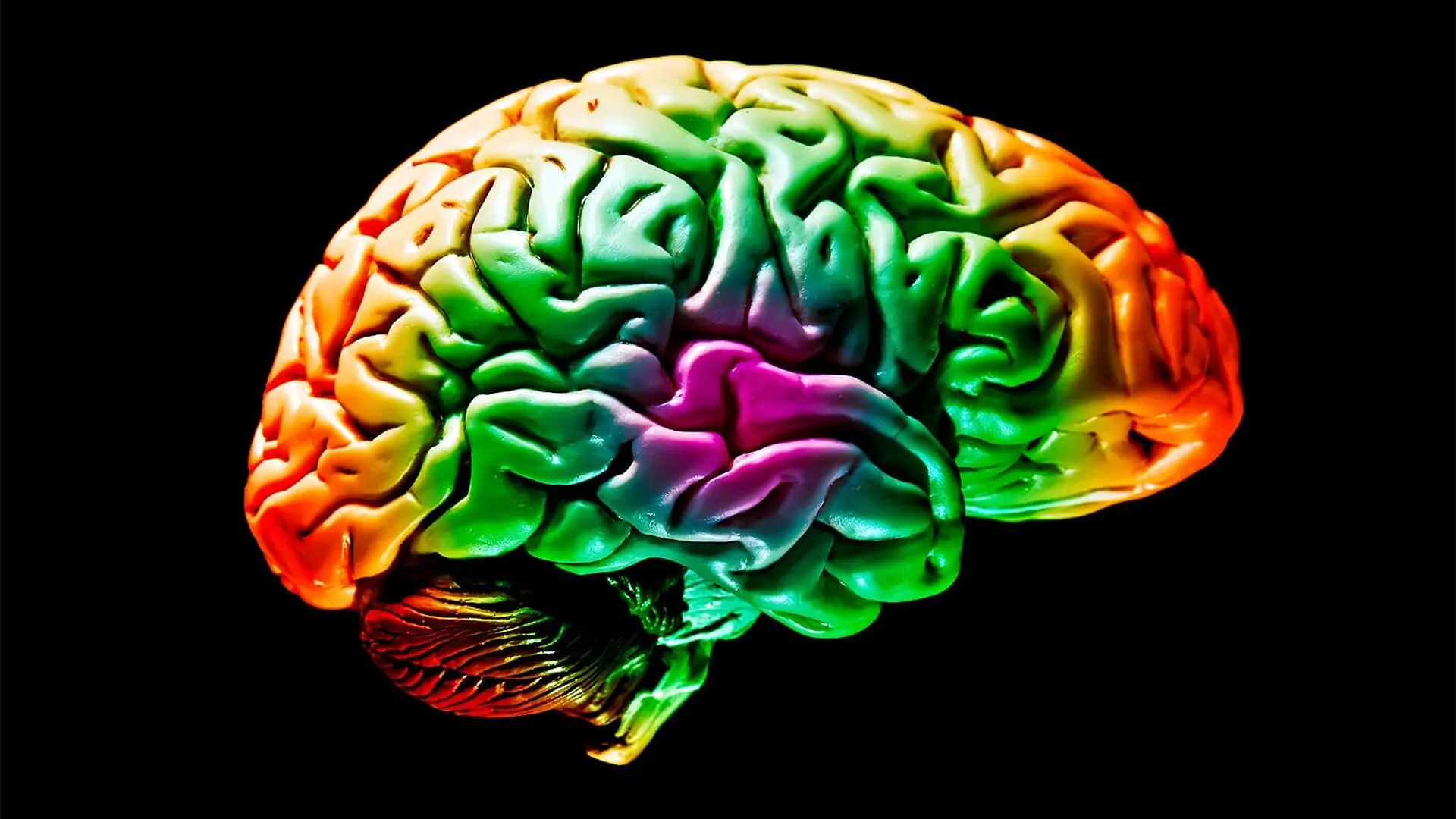
Molecular clues in the blood may signal long-term brain health during menopause
Scientists have identified a distinct molecular signature associated with the menopausal transition, shedding new light on how this physiological shift ripples across the entire body. The research, published in Nature Medicine, suggests that the hormonal and biological upheaval of midlife may act as a critical window for determining neurological resilience in later years.
For decades, the physical symptoms of menopause—ranging from hot flashes to cognitive fog—have been viewed largely as transient reproductive markers. However, new findings from a multi-institutional team led by researchers at UC Santa Barbara suggest these changes represent a comprehensive biological reorganization.
“Menopause is not an isolated reproductive event,” says Emily Jacobs, a professor of psychological and brain sciences at UC Santa Barbara. “It is a whole-body biological transition. Now we can begin to see a molecular fingerprint of that transition in the blood and ask how it relates to brain health decades later.”
Mapping the proteomic shift
By employing advanced proteomic analysis, the researchers tracked thousands of proteins in women at various stages of the menopause transition. The data revealed a specific cohort of 16 proteins that undergo significant changes during this time. These molecules are closely linked to inflammatory pathways, neuronal function, and proteins previously implicated in the development of Alzheimer’s disease.
Crucially, the study found that these shifts were tied more strictly to the stage of menopause than to chronological age alone. This pattern held consistent when the researchers cross-referenced their findings with data from over 2,800 women in the UK Biobank, which confirmed that the menopausal transition correlates with accelerated molecular aging across multiple organ systems.
When the team analyzed health records from nearly 12,000 older women across four independent cohorts, they discovered a correlation between higher levels of these “risk” proteins during midlife and poorer cognitive outcomes later on. In the largest cohort studied, the molecular signature was associated with a statistically significant increase in the risk of developing Alzheimer’s-related dementia over the following 16 years.
A window for intervention
The researchers emphasize that these findings do not establish a direct causal link between menopause and Alzheimer’s disease. Instead, they frame menopause as a sensitive period during which the brain’s trajectory toward either decline or resilience may be influenced. The goal is to eventually develop blood-based screenings—similar to how cholesterol panels are used to assess cardiovascular risk—that could flag individuals who might benefit from early, targeted interventions.
“Midlife is a critical window for both men and women where we can really set up the brain to be more resilient or more vulnerable to dementia in later life,” says senior author Kaitlin Casaletto. “For women, menopause may be this especially powerful time to intervene.”
Despite the significance of the findings, the researchers caution against alarmism, noting that most women do not go on to develop dementia. The clinical utility of these specific protein fluctuations remains a subject of ongoing investigation. To better understand these complex interactions, the team is now launching the Longitudinal Menopause Project, which aims to track the interplay between hormonal fluctuations, protein expression, and cognitive health over time.
The study involved a broad collaboration, including researchers from the Sunnybrook Research Institute, UC San Francisco, Stanford University, and the University of Toronto. The research was funded by organizations including the Ann S. Bowers Women’s Brain Health Initiative, Wellcome Leap, the National Institutes of Health, and the Noyce Trust.
This article has been fact checked for accuracy, with information verified against reputable sources. Learn more about us and our editorial process.
Last reviewed on .
Article history
- Latest version
Reference(s)
- Wood Alexander, Madeline., et al. “Blood proteomics of menopause map to brain aging and dementia risk.” Nature Medicine, September 22, 2026 Springer Science and Business Media LLC, doi: 10.1038/s41591-026-04648-4. <https://doi.org/10.1038/s41591-026-04648-4>.
Cite this page:
- Posted by Hassan Raza