Scientists Successfully Grow Potatoes in Lunar Soil Using a Surprising Earth Ingredient
Oregon State researchers have successfully grown potatoes in simulated lunar soil by using a mix of vermicompost and fertilizer to boost plant growth.
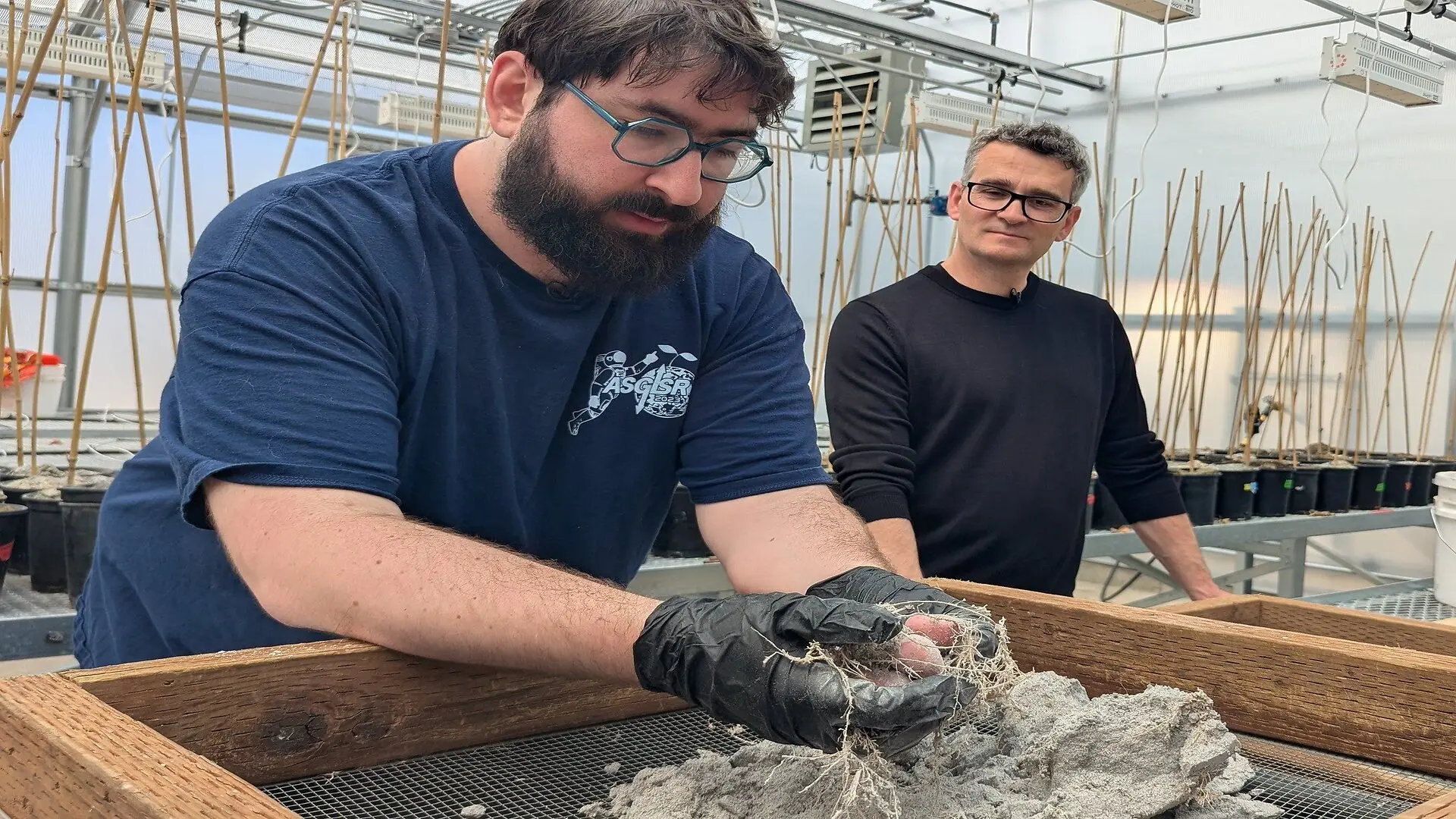
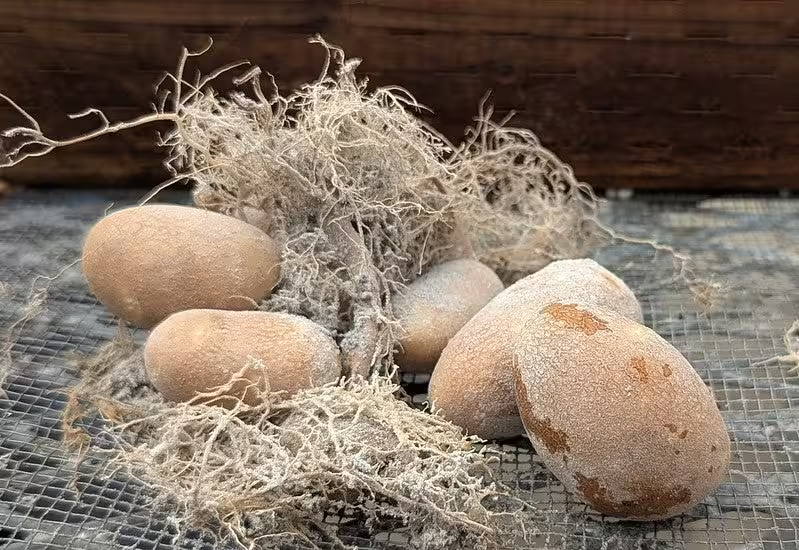
Researchers have successfully demonstrated that potatoes can be cultivated in simulated lunar soil, provided the harsh, nutrient-poor regolith is enriched with organic matter and fertilizer. By incorporating 30% vermicompost into the substrate, a team from Oregon State University managed to produce potato yields that mirrored those grown in traditional terrestrial soil.
The findings, published in the journal npj Microgravity, represent a critical step in determining whether future lunar missions can rely on local resources to sustain food production. While previous studies have confirmed that plants can germinate in regolith, this project focused on the more complex challenge of supporting the full lifecycle of a crop, including the development of edible tubers.
Bridging the Gap Between Moon Dust and Agriculture
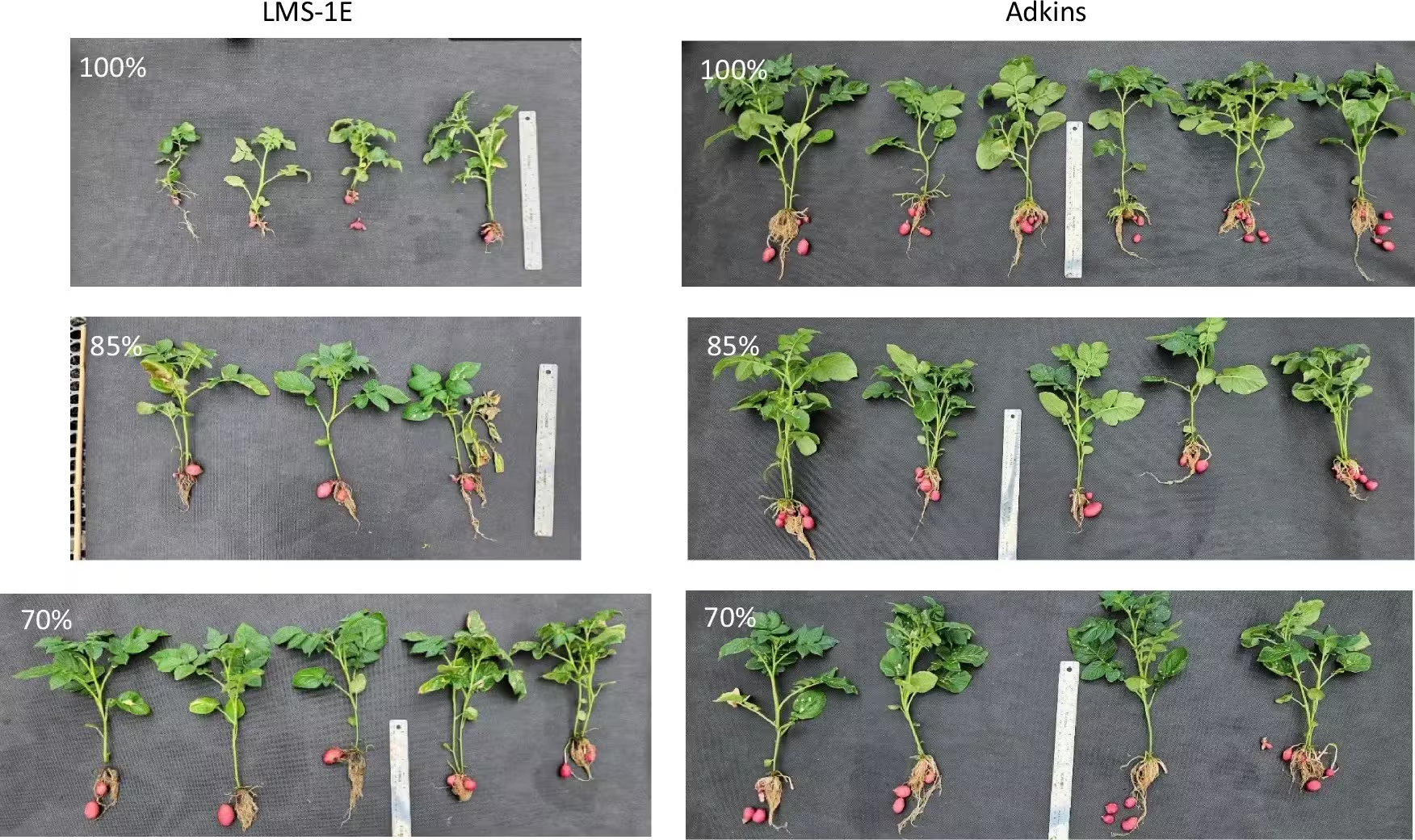
Lunar regolith is notoriously hostile to biological life. To test its potential, Aymeric Goyer and his colleagues utilized manufactured substitutes designed to mimic the volcanic plains and highland regions of the Moon. In their primary greenhouse trial, the team compared a lunar mare simulant (LMS-1E) against standard agricultural soil from Hermiston, Oregon. They tested various concentrations of vermicompost—a nutrient-rich material derived from worm waste—to see if it could act as an effective amendment.
Every plant in the study received a controlled dose of slow-release fertilizer, ensuring that any observed growth deficiencies were due to the properties of the simulated lunar soil itself rather than a simple lack of basic nitrogen or phosphorus. After 74 days, the potatoes grown in a 30% compost mixture showed growth patterns nearly identical to the Earth-soil control group, with tuber mass matching or occasionally exceeding expectations.
Conversely, plants grown in unamended lunar simulant struggled significantly, exhibiting stunted growth and poorly formed root systems. The researchers suspect that the presence of high levels of certain metals, such as copper, may be to blame. They theorize that the organic matter in the compost helps bind these metals, preventing them from being absorbed by the plant in toxic concentrations.
Variability Across Different Lunar Landscapes
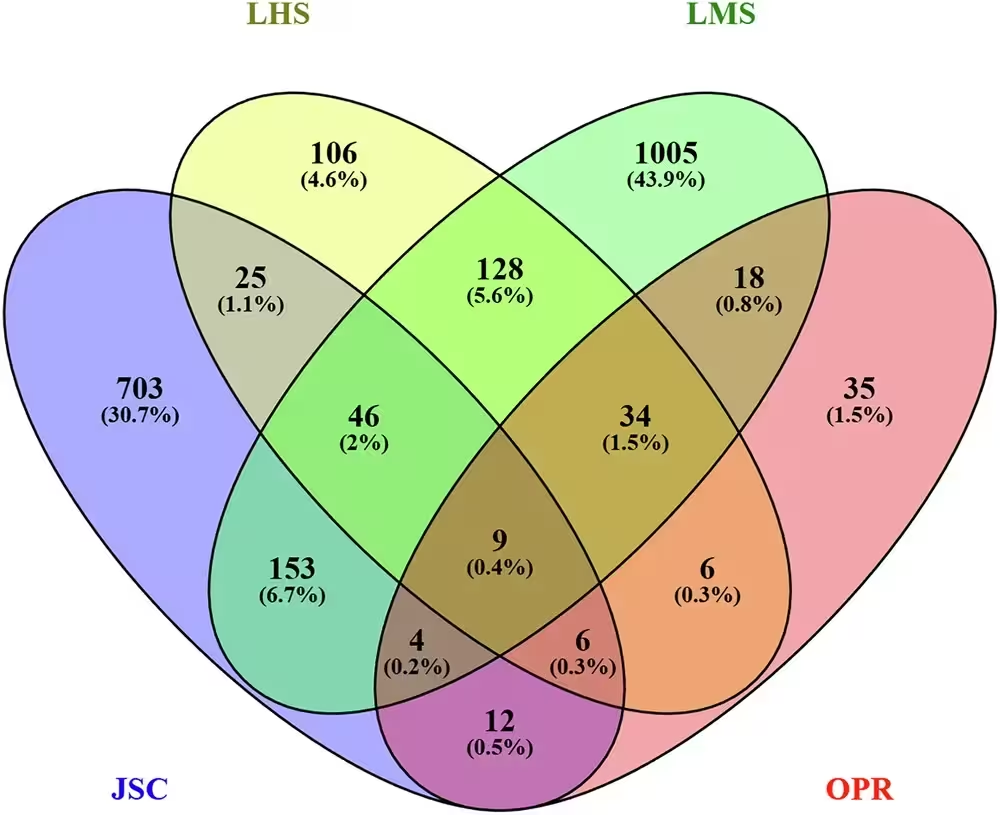
A second phase of the study tested five different types of lunar simulants to determine if the “recipe” for success would hold up across various lunar environments. In this iteration, the team used a more conservative 5% compost amendment. While the plants were able to grow, the tuber yields remained consistently lower than those in the terrestrial control. One highland-based simulant proved particularly difficult, causing severe delays in plant emergence and reduced survival rates.
The data revealed that different simulants triggered distinct gene expression patterns in the potato leaves, suggesting that plants perceive and react to different lunar materials in unique ways. This complexity indicates that there is no one-size-fits-all solution for lunar farming, and future agricultural efforts will likely need to be tailored to the specific mineralogy of different landing sites.
Nutritional Safety and Future Prospects
Beyond physical growth, the researchers analyzed the harvested potatoes for chemical safety, specifically looking for toxic glycoalkaloids like solanine and chaconine. Reassuringly, the experiments showed no significant increase in these compounds, nor were there major deviations in basic nutritional markers like vitamin C. However, the study noted a slight increase in trace metals—including aluminum—in the tubers, a factor the team emphasizes must be rigorously investigated in future, more comprehensive dietary studies.
“We found that potatoes can complete their entire life cycle in simulated lunar soil when supplemented with organic matter,” Goyer said. Despite the encouraging results, the team cautions that these greenhouse tests under Earth gravity and atmospheric conditions are only the beginning. True lunar agriculture will eventually have to contend with radiation, lower gravity, and the logistical challenge of establishing a closed-loop recycling system capable of converting organic waste back into soil amendments.
As the team looks toward future trials involving 10 different potato varieties, the goal remains clear: creating a sustainable, long-term food supply for astronauts that minimizes the need for supplies transported from Earth. Whether that is achieved through regolith-based farming, microbial food production, or a hybrid approach remains a key question for the next generation of space exploration.
Further Reading
Explore the following resources for more details on the intersection of agriculture and extraterrestrial soil research:
- Bioremediation of lunar regolith simulant through mycorrhizal fungi and plant symbioses enables chickpea to seed (Scientific Reports, 2026)
- Overview and recommendations for research on plants and microbes in regolith-based agriculture (npj Sustainable Agriculture, 2024)
- Green compost amendment improves potato plant performance on Mars regolith simulant as substrate for cultivation in space (Plant and Soil, 2023)
- Plants grown in Apollo lunar regolith present stress-associated transcriptomes that inform prospects for lunar exploration (Communications Biology, 2022)
- The Potential for Lunar and Martian Regolith Simulants to Sustain Plant Growth: A Multidisciplinary Overview (Frontiers in Astronomy and Space Sciences, 2022)
This article has been fact checked for accuracy, with information verified against reputable sources. Learn more about us and our editorial process.
Last reviewed on .
Article history
- Latest version
Reference(s)
- Handy, David. “Growth and molecular responses of potato to lunar regolith simulants - npj Microgravity.”, vol. 12, no. 1, November 19, 2026, pp. 100 Nature, doi: 10.1038/s41526-026-00668-z. <https://www.nature.com/articles/s41526-026-00668-z>.
- Atkin, Jessica. “Bioremediation of lunar regolith simulant through mycorrhizal fungi and plant symbioses enables chickpea to seed - Scientific Reports.”, vol. 16, no. 1, March 5, 2026, pp. 7498 Nature, doi: 10.1038/s41598-026-35759-0. <https://www.nature.com/articles/s41598-026-35759-0>.
- Fackrell, Laura. “Overview and recommendations for research on plants and microbes in regolith-based agriculture - npj Sustainable Agriculture.”, vol. 2, no. 1, September 12, 2024, pp. 15 Nature, doi: 10.1038/s44264-024-00013-5. <https://www.nature.com/articles/s44264-024-00013-5>.
- Caporale, Antonio Giandonato., et al. “Green compost amendment improves potato plant performance on Mars regolith simulant as substrate for cultivation in space.” Plant and Soil, vol. 486, no. 1-2, January 11, 2023, pp. 217-233. Springer Science and Business Media LLC, doi: 10.1007/s11104-022-05860-0. <https://link.springer.com/article/10.1007/s11104-022-05860-0>.
- Paul, Anna-Lisa. “Plants grown in Apollo lunar regolith present stress-associated transcriptomes that inform prospects for lunar exploration - Communications Biology.”, vol. 5, no. 1, May 12, 2022, pp. 382 Nature, doi: 10.1038/s42003-022-03334-8. <https://www.nature.com/articles/s42003-022-03334-8>.
- Duri, Luigi. “The Potential for Lunar and Martian Regolith Simulants to Sustain Plant Growth: A Multidisciplinary Overview.” Frontiers in Astronomy and Space Sciences, vol. 8, January 4, 2022, pp. 747821 Frontiers, doi: 10.3389/fspas.2021.747821/full. <https://www.frontiersin.org/journals/astronomy-and-space-sciences/articles/10.3389/fspas.2021.747821/full>.
Cite this page:
- Posted by Farah Siddiqui