Space Radiation Changes Brain Immune Cells But Spares Cognition In New Study
New research reveals that galactic cosmic radiation alters the brain’s immune cells, yet surprisingly, it does not appear to impair cognitive function.
Deep Space Radiation Alters Brain Immune Cells Without Immediate Cognitive Decline
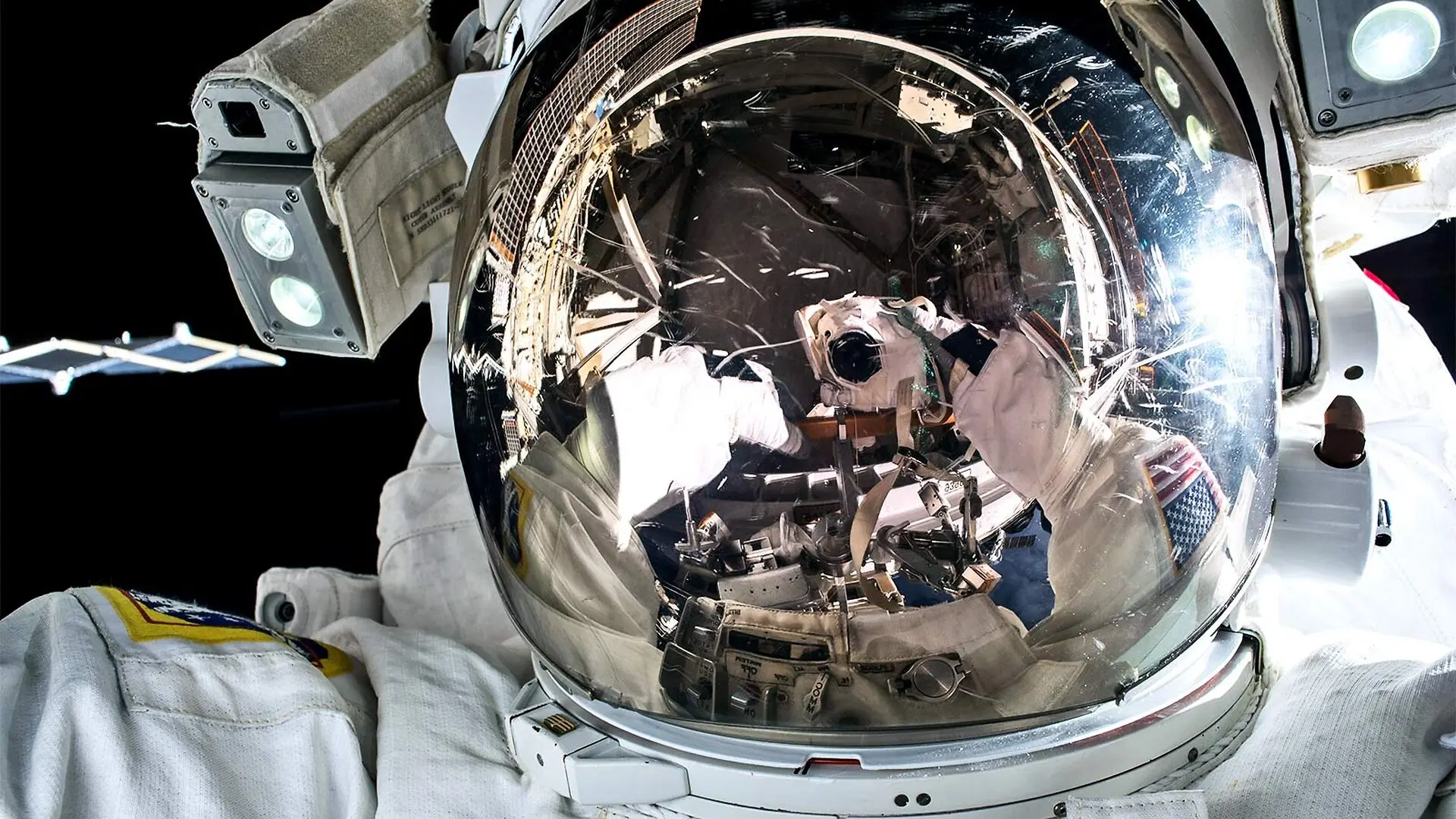
As space agencies push toward ambitious crewed missions to the Moon and Mars, researchers are increasingly focused on the hidden dangers lurking in the void of deep space. While Earth’s magnetic field and atmosphere shield our planet from the harsh reality of galactic cosmic radiation, astronauts venturing beyond these protections face a constant barrage of high-energy particles capable of damaging sensitive electronics and biological tissues alike.
A new study led by researchers at the University of Rochester provides a critical look at how this intense radiation affects the human brain. By utilizing simulated space radiation at the NASA Space Radiation Laboratory at Brookhaven National Laboratory, the team examined the impact of these particles on microglia, the brain’s primary immune cells. The findings, published in Scientific Reports, reveal that while cosmic radiation triggers significant molecular shifts in the brain, it does not necessarily result in immediate cognitive or behavioral impairment.
Sex-Specific Cellular Responses
The research, spearheaded by neuroscience graduate student Mark Osabutey, utilized single-cell RNA sequencing to analyze nearly 16,000 microglia from both male and female mouse models. The data suggests that biological sex plays a pivotal role in how the brain reacts to space-bound stressors. In male subjects, the radiation triggered changes linked to cellular metabolism and stress adaptation. Conversely, female subjects displayed a broader reduction in immune signaling pathways.
Despite these distinct molecular signatures, the researchers observed no widespread inflammatory response or measurable decline in behavioral performance during the study period. “Surprisingly, despite clear molecular changes, we found no widespread inflammatory activation or measurable radiation-associated behavioral impairment at the time we examined,” Osabutey noted. He suggests that these molecular shifts may serve as precursors to functional changes or could represent a physiological adaptation that does not immediately translate to cognitive damage.
The Role of Stress-Regulating Proteins
One notable commonality found across both sexes was an increase in the protein FKBP5 within the cortex and the dentate gyrus—regions of the brain crucial for memory and higher-order thinking. Because FKBP5 is known to help regulate cellular stress responses, its elevation suggests a specific biological pathway that might be targeted for future medical countermeasures. Understanding whether this protein acts as a protective shield or a marker of underlying damage remains a primary goal for the team.
M. Kerry O’Banion, a professor of neuroscience who has spent over 15 years investigating space radiation, emphasizes that these findings are essential for safeguarding the health of future astronauts. “We know cognitive changes from exposure to radiation in space are a real risk,” O’Banion said. While his prior work has indicated that cosmic radiation might accelerate the onset of neurodegenerative conditions like Alzheimer’s disease, this latest study clarifies the complexity of the brain’s immune response in the short term.
Pathways for Future Exploration
The research highlights a shift toward more nuanced, sex-specific medical models in space medicine. By mapping how different biological systems react to deep-space stressors, scientists hope to develop targeted interventions that could mitigate risks during long-duration missions.
The study, which was supported by the NASA Human Research Program, underscores the necessity of continuous, rigorous investigation. As the team moves forward, they intend to explore different time points and environmental stressors to better understand the long-term implications of these cellular changes. For the researchers involved, including those supported by NASA fellowships, the project serves as a cornerstone for developing the next generation of protective strategies against the neurological hazards of space exploration.
This article has been fact checked for accuracy, with information verified against reputable sources. Learn more about us and our editorial process.
Last reviewed on .
Article history
- Latest version
Reference(s)
- Osabutey, Mark A.., et al. “Single-cell transcriptomic profiling reveals sex-specific microglial responses to simulated galactic cosmic radiation without broad inflammatory activation.” Scientific Reports, vol. 16, no. 1, November 20, 2026 Springer Science and Business Media LLC, doi: 10.1038/s41598-026-77661-9. <https://doi.org/10.1038/s41598-026-77661-9>.
Cite this page:
- Posted by Farah Siddiqui