NASA’s Aging Swift Observatory Returns Stunning Final Images Before Its Impending Re-Entry
After 21 years in orbit, a legendary NASA observatory faces a fiery end, leaving behind a remarkable legacy of groundbreaking cosmic images.
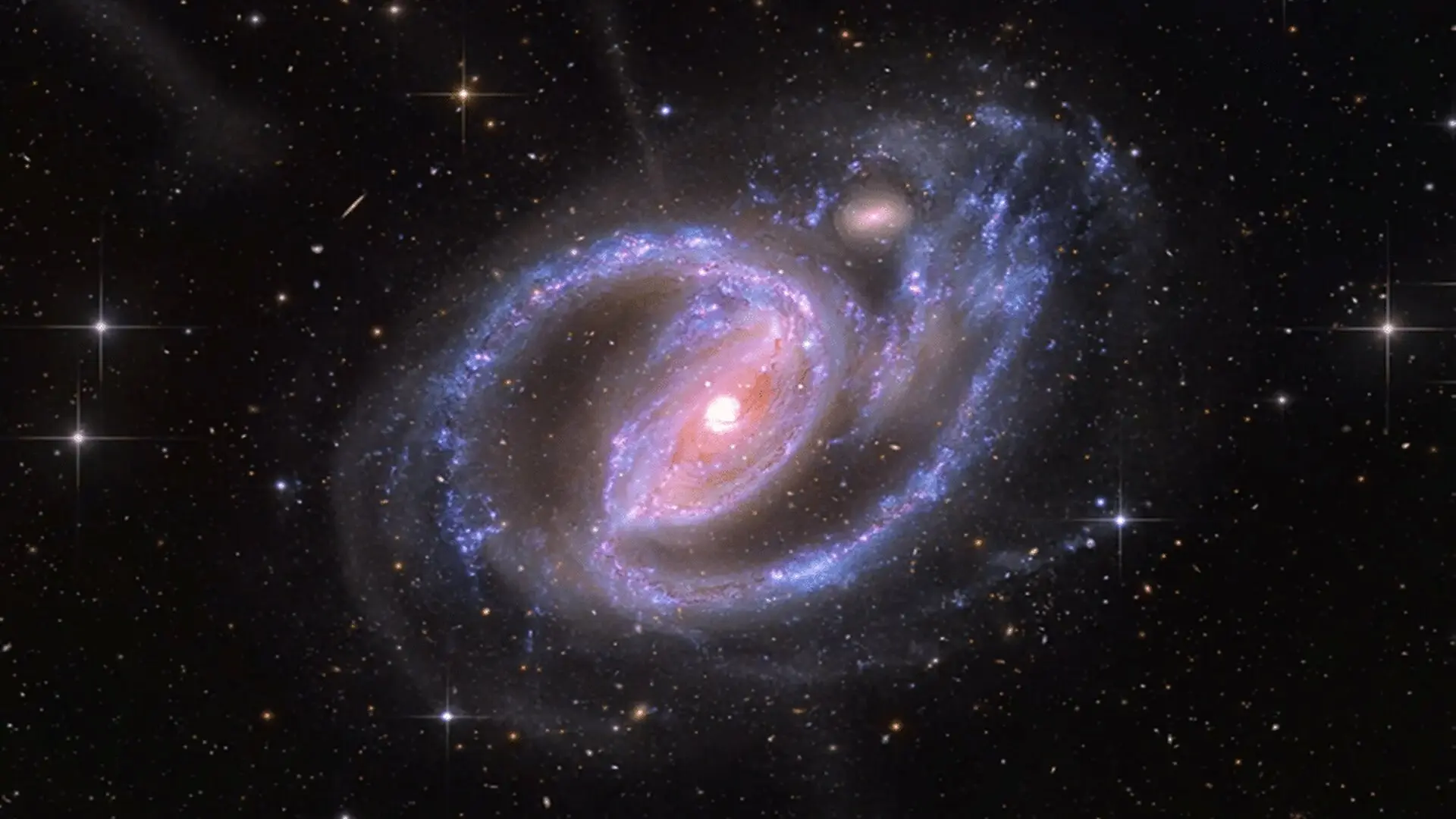
The Neil Gehrels Swift Observatory is entering the final chapter of its two-decade mission, yet the veteran spacecraft continues to provide critical insights into the cosmos. As the observatory faces a terminal descent back toward Earth, NASA has released a series of stunning images that underscore the enduring scientific value of this prolific mission and its ongoing synergy with the Chandra X-ray Observatory.
A Final Look at the Distant Universe
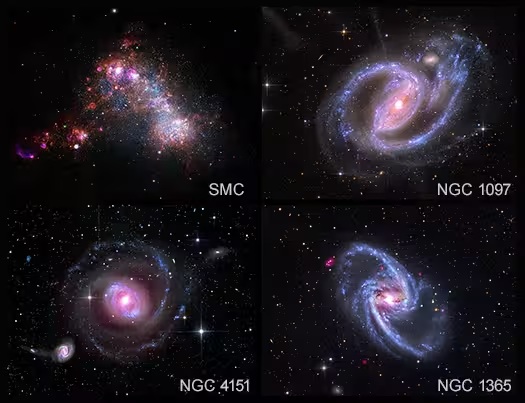
Launched in 2004, the Swift observatory was engineered to monitor gamma-ray bursts, the most luminous and energetic explosions in the known universe. Over more than 21 years of service, its instruments have provided a vital window into the high-energy processes shaping distant celestial objects. While the spacecraft’s orbit is now steadily decaying, a newly curated collection of imagery highlights the legacy of this mission, showcasing data synthesized from both Swift and the Chandra X-ray Observatory.
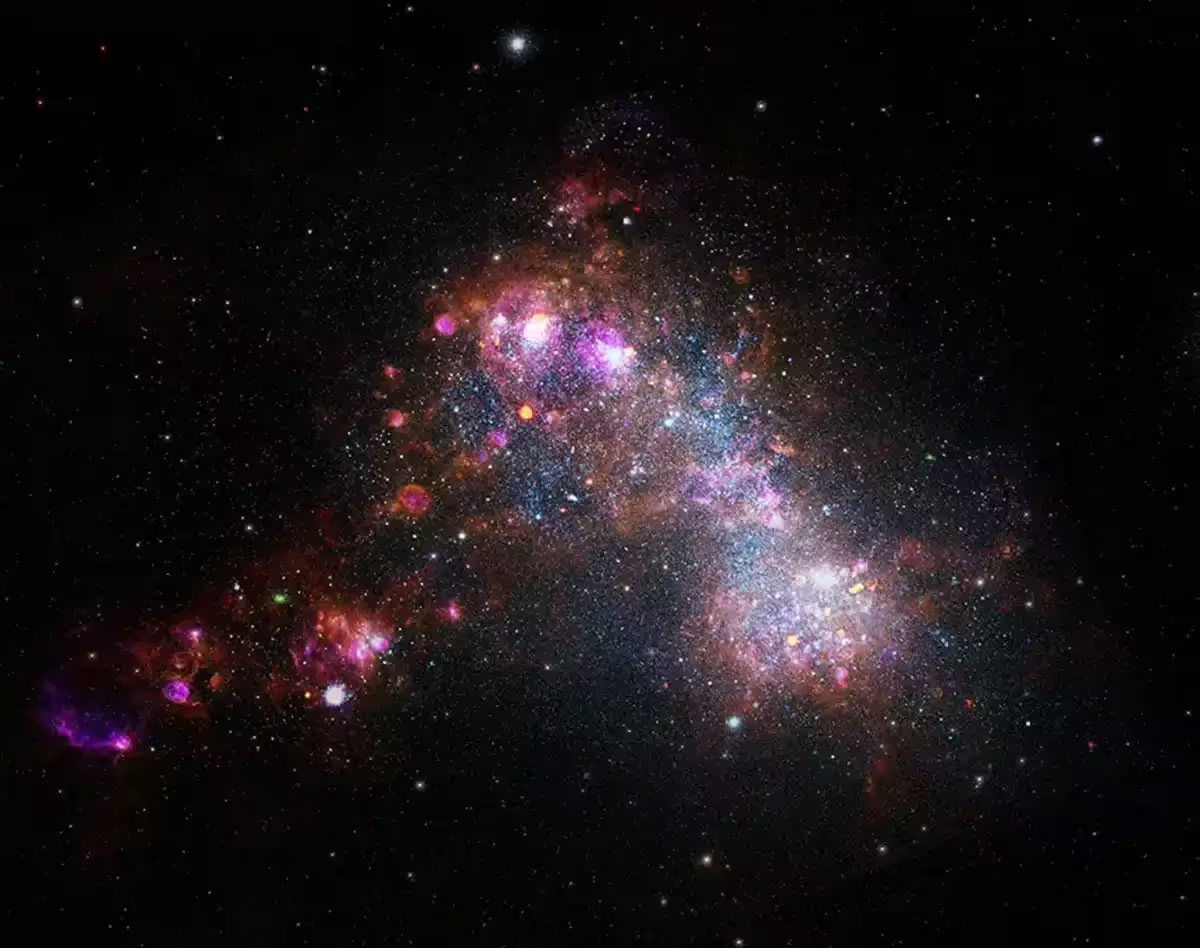
Among the highlighted targets is the Small Magellanic Cloud, a galactic neighbor situated roughly 200,000 light-years away. Serving as a premier laboratory for astronomers, this region allows researchers to study the life cycles of stars and the complex environments that facilitate their formation. The collection also captures NGC 1097, a spiral galaxy located 48 million light-years from Earth, which houses a supermassive black hole at its core containing approximately 140 million times the mass of our Sun.
Orbital Decay and the End of a Rescue Dream
Swift’s impending re-entry is driven by the physics of low-Earth orbit. Even at hundreds of kilometers above the surface, the spacecraft experiences friction from the upper atmosphere. This drag has intensified recently due to heightened solar activity, which causes Earth’s atmosphere to heat and expand, thereby increasing density at the altitudes where satellites operate.
Currently orbiting at roughly 200 miles above the planet, Swift is expected to descend through the atmosphere later in 2026, with November cited as a potential timeframe. A sophisticated rescue initiative, intended to extend the observatory’s operational life by using Katalyst Space’s LINK spacecraft to boost its altitude, ultimately faltered. A persistent issue with the LINK spacecraft’s attitude-control system prevented the planned capture, sealing the fate of the aging observatory.
Managing the Return of a 1,470-Kilogram Satellite
The transition from orbital mission to atmospheric re-entry for a 1,470-kilogram (3,240-pound) vessel brings into focus the mechanics of satellite disposal. Measuring about 5.6 meters in length, Swift was never designed for a controlled, intact return to the surface. As it pierces the denser layers of the atmosphere, intense heat and extreme aerodynamic forces will almost certainly result in the total structural disintegration of the observatory.
While the vast majority of the spacecraft is expected to incinerate, the question of whether any heat-resistant components will survive to reach the ground remains a standard consideration in uncontrolled re-entry events. NASA has yet to finalize projections regarding potential debris, as the exact timing and trajectory of the re-entry remain subject to the fluctuating influence of solar weather and orbital mechanics.
A Scientific Legacy That Persists
Swift’s contributions have been defined by its ability to rapidly pivot between detection and multi-wavelength observation. By swiftly identifying gamma-ray bursts and turning its X-ray and optical instruments toward the fading afterglow, the observatory provided unprecedented data on the aftermath of cataclysmic stellar deaths. This multidisciplinary approach has been essential in characterizing black holes, active galactic nuclei, and various high-energy phenomena.
The partnership with the Chandra X-ray Observatory further amplified this impact, demonstrating that the most accurate maps of the universe are often those built by combining multiple sources of data. While the physical presence of the Swift observatory may soon vanish from orbit, the vast archive of high-energy data it has cultivated over the past 21 years will continue to serve the global scientific community for decades to come.
This article has been fact checked for accuracy, with information verified against reputable sources. Learn more about us and our editorial process.
Last reviewed on .
Article history
- Latest version
Cite this page:
- Posted by Aisha Ahmed