Half Of US States Have Zero Laws Regulating Controversial Vehicle Surveillance Cameras
Experts break down how Flock camera systems work, the risks of potential surveillance abuse, and the ongoing debate surrounding their legal regulation.
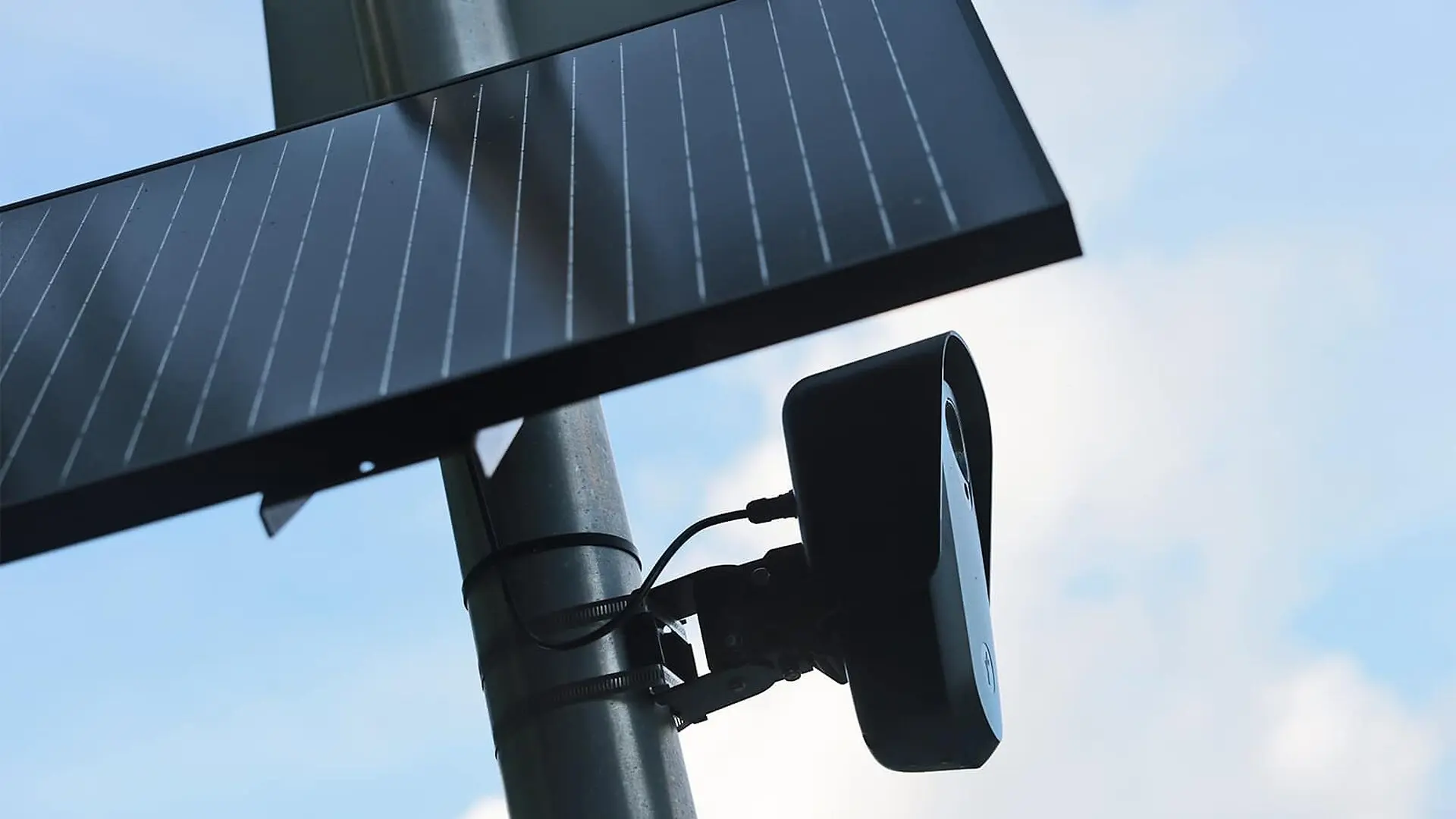
A recent security breach involving Flock Safety, a prominent manufacturer of traffic-monitoring cameras, has intensified the national debate over the rapid expansion of automated surveillance on public roads. In September, hackers gained unauthorized access to one of the company’s devices, compromising data associated with 50,000 vehicles. This incident occurred against a backdrop of increasing government scrutiny, as officials in Texas and Florida recently moved to restrict or prohibit the use of these systems on state-managed infrastructure.
At the heart of the controversy are automated license plate readers (ALPRs). While these systems were originally designed to identify vehicles, modern iterations utilize advanced artificial intelligence to capture far more than just numeric plate data. These cameras systematically record vehicle makes, models, colors, and other unique identifiers, feeding them into a sophisticated network that can track patterns of movement across entire regions.
Beyond basic identification, the technology allows for the creation of customized “hot lists.” These allow operators to flag specific vehicles—or those with particular physical traits, such as a broken taillight—for real-time monitoring without the knowledge or consent of the drivers involved. These systems have proliferated across thousands of municipalities, reaching a saturation point throughout 2024.
Experts argue that the terminology often used to describe these devices obscures their true function. “We call them vehicle surveillance systems because we think it’s inaccurate to call them license plate readers,” explains Max Isaacs, director of technology law and policy at the NYU School of Law’s Policing Project. “They’re surveillance systems with far greater capabilities than just reading license plates.”
The Policing Project, an organization dedicated to fostering transparency and accountability in law enforcement, has been analyzing the regulatory landscape surrounding this technology. A recent assessment conducted by the group highlights a significant legal vacuum: half of all US states currently lack any legislation governing the use of ALPRs or the vast datasets they aggregate. Even among the 25 states that have enacted some form of oversight, the Policing Project reports that many statutes fail to address critical concerns, including data privacy, the potential for unauthorized information sharing, and the risks posed by algorithmic errors or false positives.
As these surveillance networks continue to expand, legal experts like Isaacs and the organization’s founder, Barry Friedman, warn that without comprehensive policy frameworks, the potential for misuse remains high. The lack of standardized regulation leaves the public vulnerable to data mismanagement and creates few avenues for accountability in the event of system failures or privacy breaches.
This article has been fact checked for accuracy, with information verified against reputable sources. Learn more about us and our editorial process.
Last reviewed on .
Article history
- Latest version
Reference(s)
- “Barry Friedman - Overview | NYU School of Law.” <https://its.law.nyu.edu/facultyprofiles/index.cfm?fuseaction=profile.overview&personid=19931>.
Cite this page:
- Posted by Asif Iqbal