Nigerian Chatbot Delivers Cancer Awareness to Women Living With HIV Despite Limited Internet
A new hybrid offline conversational AI tool helps bridge health information gaps in resource-limited settings.

A custom conversational artificial intelligence chatbot designed for women living with HIV in Nigeria successfully delivered cancer awareness information during a three-month trial, despite operating in areas with limited internet access. The tool was developed through a collaborative process involving patients, local medical experts, and international specialists to address deep linguistic diversity and cultural barriers that often hinder digital health solutions in low- and middle-income regions.
How Did Researchers Build and Test the Cervical Cancer Chatbot?
The project was led by Oluseye Ayodele Ajayi and colleagues, and the findings were published in PLOS Digital Health. Cervical cancer is the second leading cause of cancer mortality among women in Nigeria, yet fewer than ten percent of women in the country have ever been screened for the disease. Women living with HIV face an even greater risk of developing precancerous lesions due to the combined impact of HIV and high-risk human papillomavirus, or HPV.
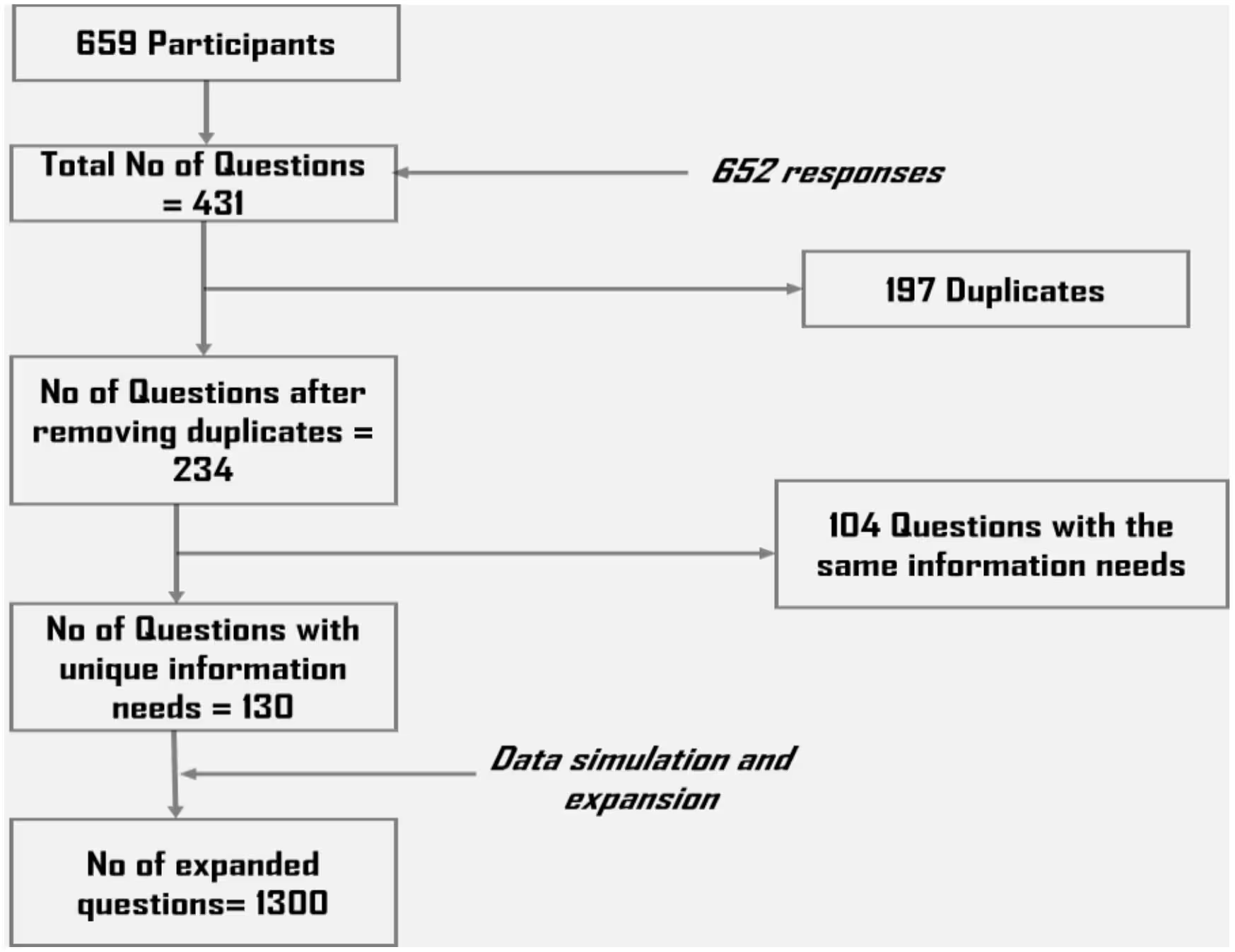
To capture real-world questions, the research team established a moderated WhatsApp group across six health facilities in Plateau and Oyo states over three months. Through this platform, six hundred fifty-nine participants contributed four hundred thirty-one distinct questions about screening eligibility, prevention, and symptoms. Local gynecologists and nurses reviewed and validated the questions, reducing them to one hundred thirty core topics before expanding them to a training dataset of one thousand three hundred question-and-answer pairs using an open-source large language model.
What Makes the Hybrid Offline and Online Architecture Unique?
Internet connectivity remains below average across many parts of Nigeria, creating a major obstacle for digital health tools that require constant cloud access. To overcome this limitation, the development team engineered a hybrid system integrated directly into the existing AVIVA mobile application, a platform already utilized within Nigerian HIV care programs for half a decade.
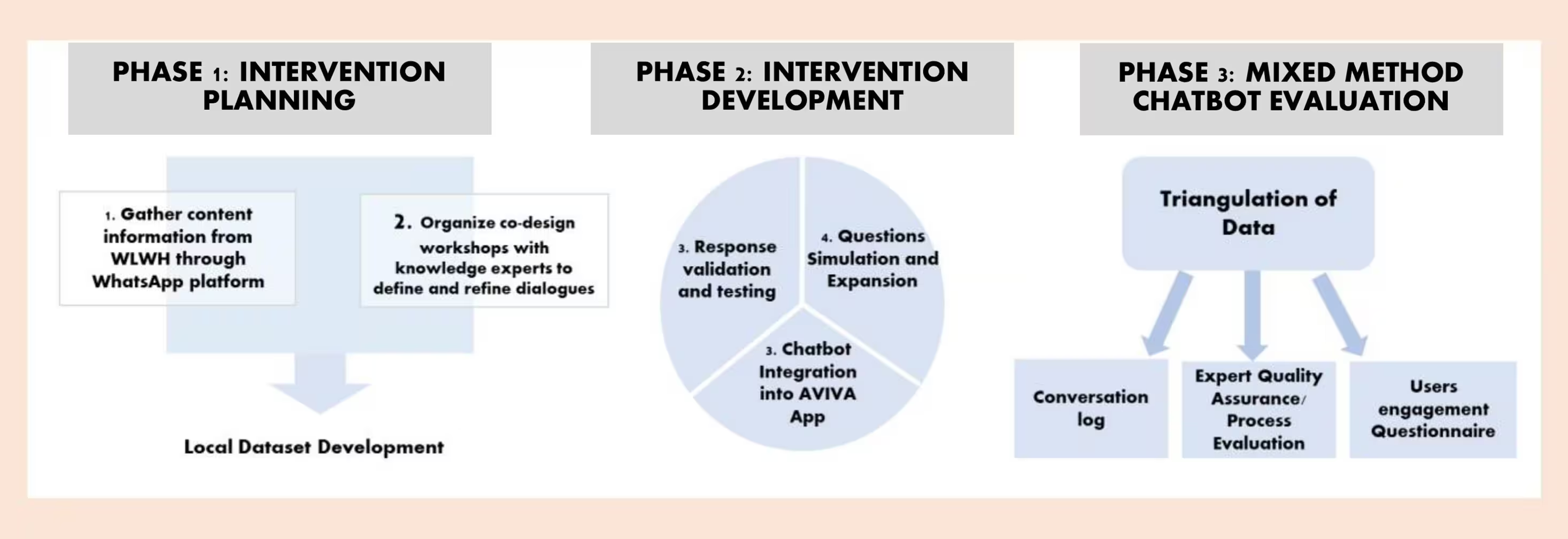
The chatbot relies primarily on a preloaded offline dataset that uses mathematical cosine similarity metrics to match user queries with stored answers. When a user enters a question, the system splits the text into tokens, calculates frequency vectors, and determines similarity to find the most appropriate response without needing an active internet connection. If the offline match score falls below set thresholds, or when internet connectivity is available, the system can route queries to an online model customized to handle health-specific contexts.
What Were the Real-World Results Over Three Months?
Deployment data showed that total completed interactions grew from fifty-eight in the first month to one hundred thirty-three by the third month. The proportion of queries that the offline system failed to answer dropped from thirty-two percent down to zero percent as missing information was progressively incorporated into the database.
However, automated matching precision scores declined slightly over the same period as user engagement expanded, likely because participants phrased questions in ways not fully captured by the preloaded lexical variants. Conversely, monthly evaluations conducted by three independent gyne-oncology experts revealed that the actual clinical appropriateness of the delivered responses improved significantly, with the proportion of high-quality matches rising from nearly thirty-eight percent in month one to over sixty-eight percent in month two.
What Limitations and Future Steps Remain for the Technology?
Qualitative interviews with participants highlighted several practical hurdles, including app freezing, difficult password resets, and occasional friction regarding medical terminology that felt too formal. Some participants also reported that the app took too long to download or required data subscriptions they could not easily afford.
The study authors noted that the evaluation period lasted only three months, and reliance on convenience sampling among clinic attendees may limit how broadly these results apply to women who do not regularly visit healthcare facilities. Future development efforts will focus on incorporating local Nigerian languages such as Hausa, Igbo, and Yoruba, expanding compatibility beyond Android devices, and conducting longer-term assessments to measure whether improved chatbot awareness translates directly into higher rates of cancer screening.
The research was published in PLOS Digital Health on November 23, 2026.
This article has been fact checked for accuracy, with information verified against reputable sources. Learn more about us and our editorial process.
Last reviewed on .
Article history
- Latest version
Reference(s)
- Ajayi, Oluseye Ayodele., et al. “Conversational artificial intelligence technology for cervical cancer screening awareness among women living with HIV in resource-limited settings: A co-design approach.” PLOS Digital Health, vol. 5, no. 11, November 23, 2026, pp. e0001837 Public Library of Science (PLoS), doi: 10.1371/journal.pdig.0001837. <https://doi.org/10.1371/journal.pdig.0001837>.
Cite this page:
- Posted by Asif Iqbal