NASA Just Activated Its Powerful New Space Telescope As Crucial Tests Begin
NASA’s Roman Space Telescope has hit a critical milestone as its main instrument and coronagraph begin their first round of testing in orbit.
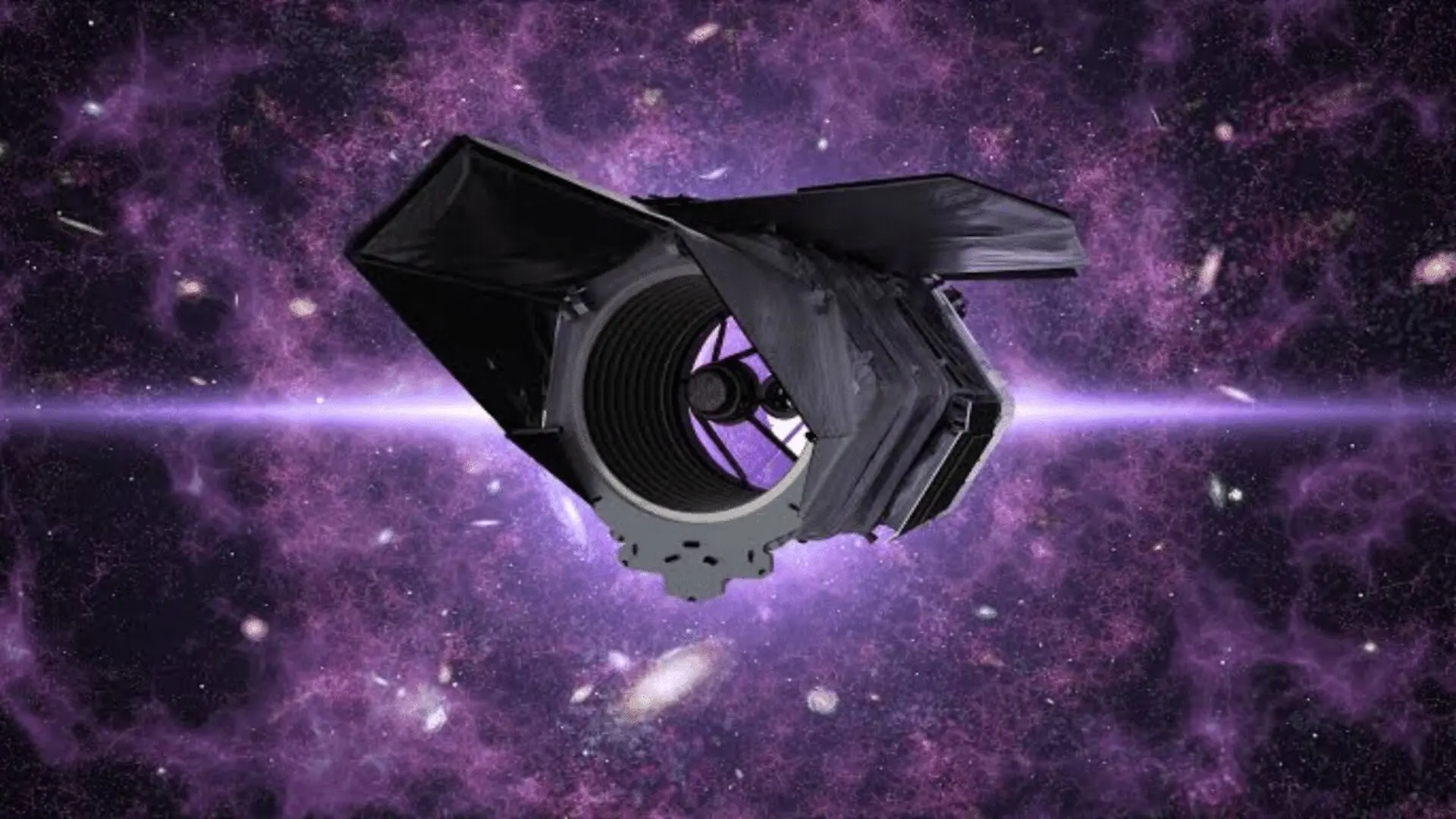
NASA has reached a pivotal stage in the deployment of the Nancy Grace Roman Space Telescope, confirming that the observatory’s primary science instrument is operational in space. This milestone, announced by the agency, represents a critical transition from launch and deployment into the rigorous commissioning phase required to prepare the telescope for its expansive mission to map the cosmos.
Verification of the Wide Field Instrument
Engineers have successfully activated the Wide Field Instrument, the core camera tasked with conducting the high-resolution, large-scale surveys that serve as the foundation of the Roman mission. By capturing initial test imagery, the team has verified that the instrument’s detector array is functional. While the preliminary data—which shows intentionally out-of-focus starlight—is currently used only to assess basic performance, it provides the necessary baseline for technicians to begin the delicate process of aligning the telescope’s optics and focusing the system for future operations.
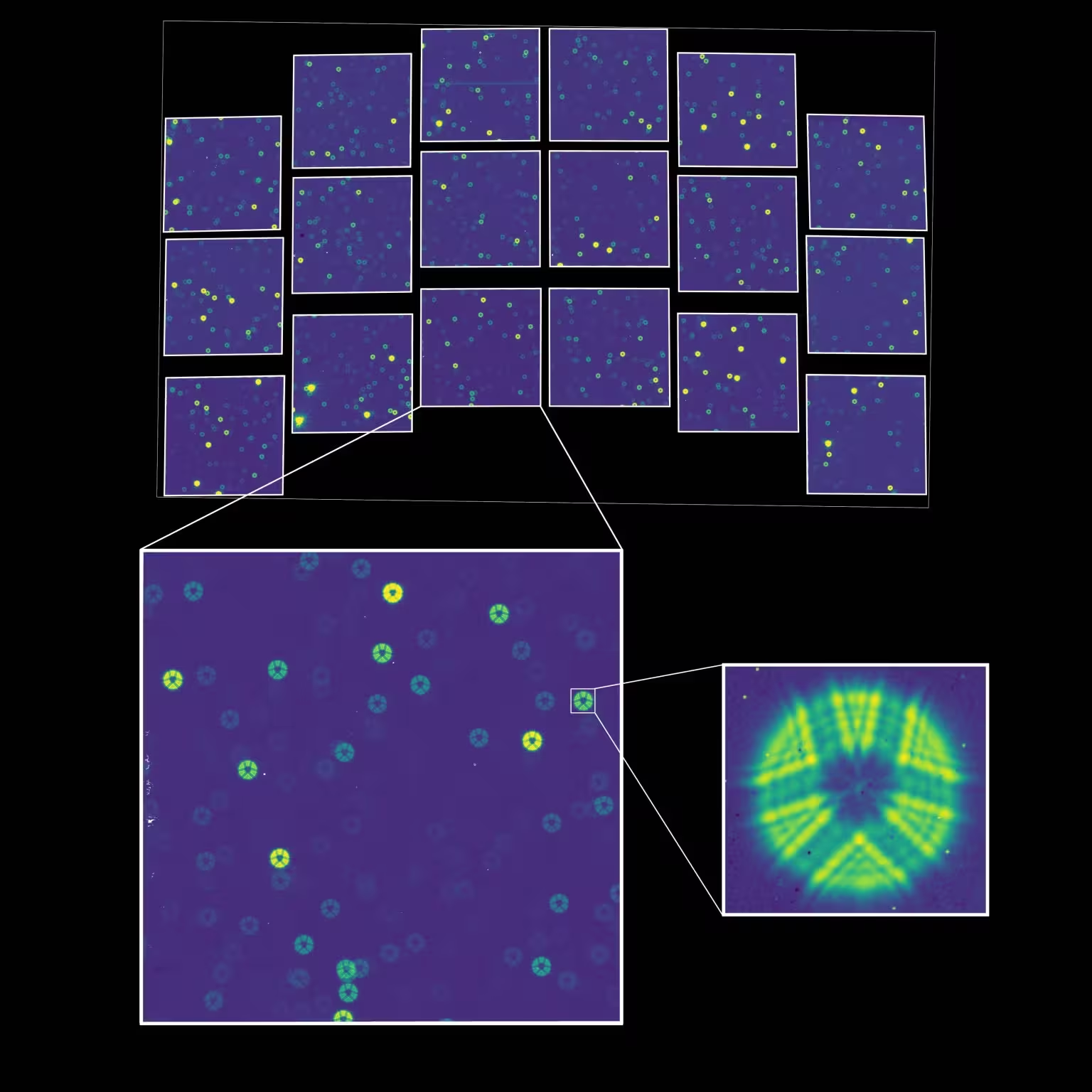
Josh Schlieder, the Wide Field Instrument scientist at NASA’s Goddard Space Flight Center, noted that the achievement marks the culmination of years of collaborative effort across government and industry partners, including BAE Systems, Inc. and Teledyne. The team is now shifting its focus toward activating the observatory’s fine-guidance system, which will eventually allow the telescope to lock onto celestial targets with the precision required for deep-space research.
Advancing High-Contrast Imaging
In parallel with the main camera checks, mission controllers are initiating the commissioning of the Coronagraph Instrument. This specialized technology is designed to suppress the overwhelming glare of individual stars, allowing researchers to peer into the faint regions surrounding them to search for exoplanets and study planetary system dynamics. Unlike the wide-field camera, the coronagraph requires extreme, sub-micron levels of control to manipulate light diffraction using sophisticated masks.
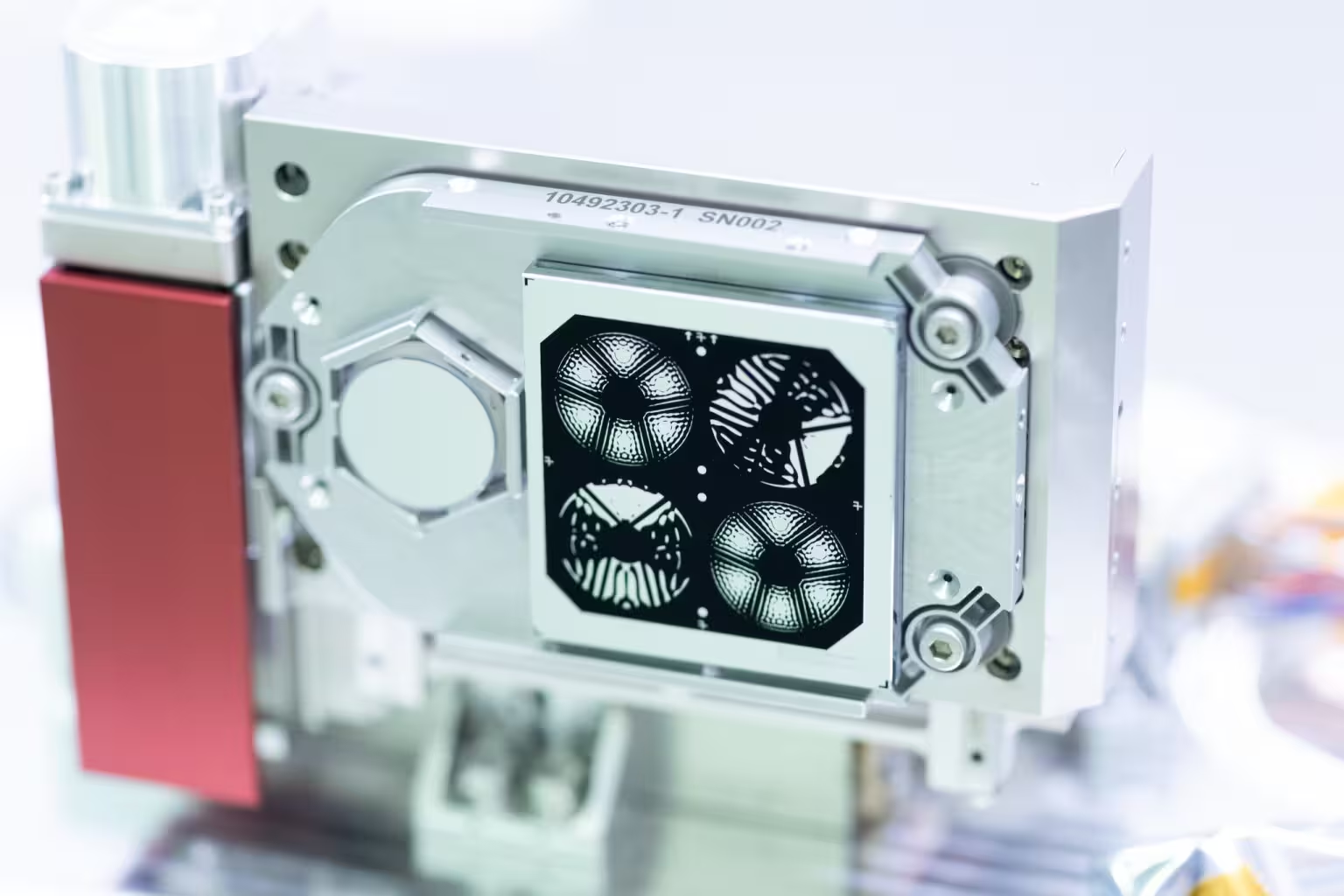
To ensure the instrument achieves the sensitivity needed for these observations, the team has begun a 30-day decontamination period. According to Eric Cady, an optical engineer at NASA’s Jet Propulsion Laboratory, this process involves keeping the detectors at a warm temperature to allow any lingering surface moisture or trace chemicals to evaporate, thereby preventing potential interference with the sensitive optics.
Strategic Role in Modern Astrophysics
The Roman Space Telescope is engineered to bridge a specific gap in current astronomical capabilities, functioning as a powerful complement to the Hubble Space Telescope and the James Webb Space Telescope. While existing observatories excel at detailed, high-resolution snapshots of individual targets, Roman is designed to capture massive swaths of the sky in a single view.
By generating these vast datasets, the mission aims to provide new insights into the influence of dark energy on the expansion of the universe, the complex evolution of galaxies, and the structural history of the cosmos. As the mission progresses toward its first expected scientific observations in early 2027, the focus remains on finalizing calibration and ensuring that all systems are optimized for long-term discovery in the harsh environment of space.
This article has been fact checked for accuracy, with information verified against reputable sources. Learn more about us and our editorial process.
Last reviewed on .
Article history
- Latest version
Reference(s)
- “dailycalendar.com - Informationen zum Thema dailycalendar..” <https://dailycalendar.com/2026/05/hubble-hidden-dwarf-galaxy-cosmic-flows/>.
Cite this page:
- Posted by Karan Das