The Surprising Reason The Gender Gap In Lifetime Caregiving Is Actually Widening
New research reveals that the gender gap in lifetime family caregiving remains persistent, showing little sign of closing despite recent social shifts.
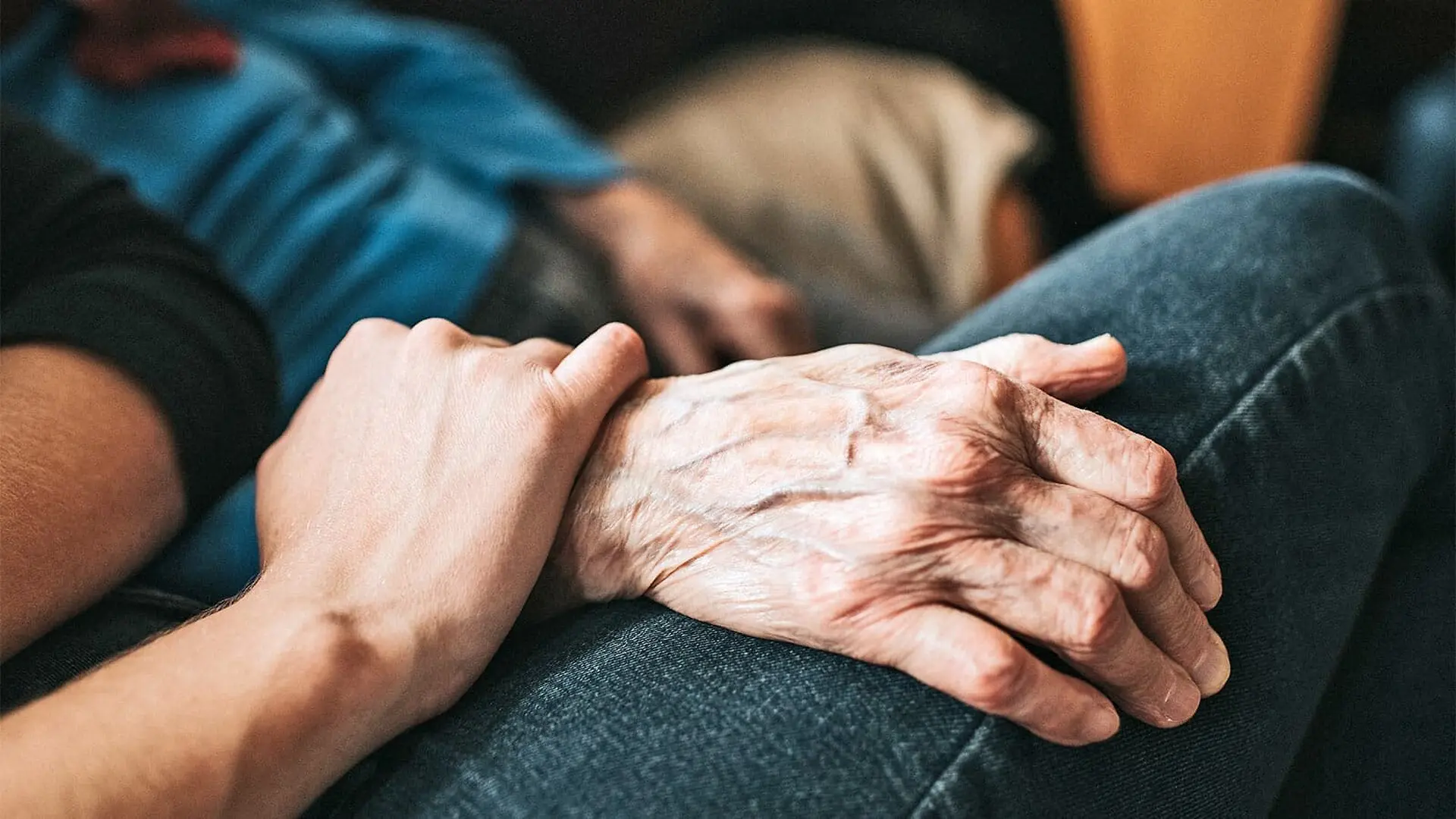
A persistent gender divide in the United States is widening, as new research reveals that women are spending significantly more of their lives providing support to aging loved ones compared to their male counterparts. Data published in the Journals of Gerontology Series B indicates that the average American woman can now expect to spend seven years of her life in a caregiving role, an increase from six years in 2011.
By contrast, the lifetime duration of caregiving for men has remained stagnant at four years. This three-year disparity highlights a growing burden on women, who frequently manage essential daily tasks for older adults, ranging from personal hygiene and mobility assistance to transportation and medical support.
The Persistence of Caregiving Disparities
The researchers behind the study, based at the University of Michigan’s Institute for Social Research, analyzed data from nearly 8,500 respondents to the National Study of Caregiving. By synthesizing this information with federal population statistics, they were able to project lifetime caregiving trajectories for adults aged 20 and older.
While the overall gap is substantial, the researchers found a notable exception regarding spousal support. When caring for a husband, wife, or life partner, men and women contribute roughly the same amount of time, averaging about 1.5 years over a lifetime. However, the gender divide becomes pronounced when care is directed toward other relatives and friends. Women typically provide an additional year of care for parents and several extra months for grandparents, along with significantly more time supporting extended family and friends.
“Despite attention to the growing number of men taking on caregiving responsibilities, the gap in lifetime family caregiving has not closed between men and women in recent years,” said Vicki Freedman, a research professor at the U-M Survey Research Center. She emphasized that this imbalance is consistent across various types of assistance, from hands-on physical care to managing logistical daily needs.
An Aging Population and Future Challenges
The demographic landscape of the United States is shifting, with the population of family caregivers supporting adults aged 65 and older surging from 18 million in 2011 to more than 24 million today. This upward trend is occurring alongside a rise in the number of older adults living without close kin, a development that complicates future caregiving sustainability.
As the demand for elder care rises, researchers warn that the gap between men and women could widen further unless societal structures evolve. Future caregiving patterns will likely be influenced by the affordability and accessibility of professional, paid care, as well as shifting social norms that dictate the distribution of family labor.
The study, which was supported by the National Institute on Aging, utilizes demographic modeling to forecast potential trends. By examining caregiving as a longitudinal experience rather than a brief snapshot, the findings underscore the cumulative, long-term nature of the responsibilities currently being shouldered by women across the nation.
This article has been fact checked for accuracy, with information verified against reputable sources. Learn more about us and our editorial process.
Last reviewed on .
Article history
- Latest version
Reference(s)
- Freedman, Vicki A., et al. “Lifetime family caregiving for older U.S. adults by men and women, 2011 and 2023.” The Journals of Gerontology, Series B: Psychological Sciences and Social Sciences, October 20, 2026 Oxford University Press (OUP), doi: 10.1093/geronb/gbag209. <https://doi.org/10.1093/geronb/gbag209>.
Cite this page:
- Posted by Tariq Hassan