5 Essential Expert Tips to Keep Your Family Safe This Halloween
Make this Halloween fun and safe for everyone with these essential preparation tips designed to help families avoid real-life scares this spooky season.
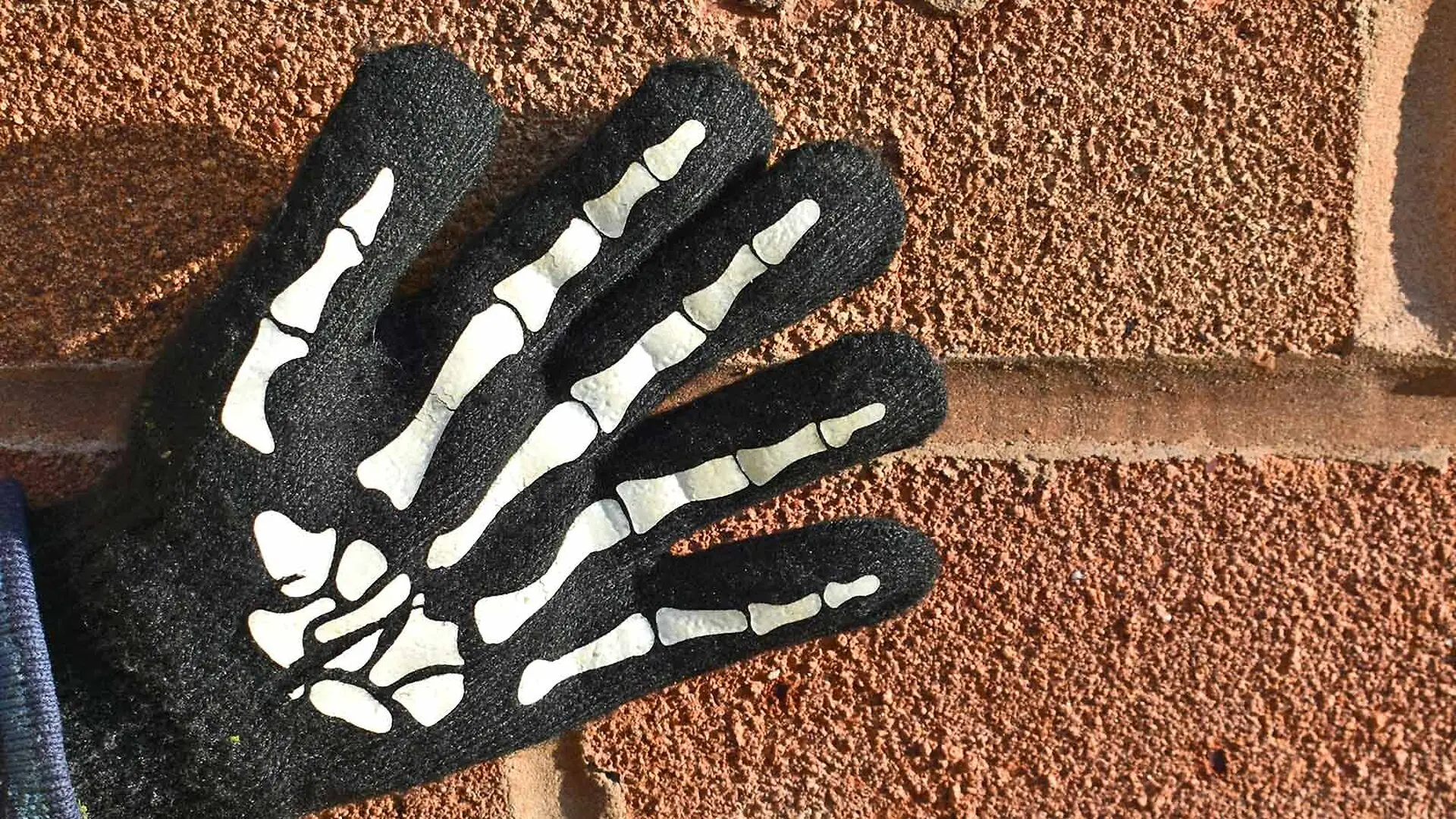
As Halloween approaches, parents and guardians are gearing up for a night of costumes and sugar-fueled excitement. While the holiday is designed for thrills, University of Missouri Extension experts suggest that a proactive approach can prevent common mishaps, ensuring the festivities remain centered on fun rather than emergency room visits.
Prioritizing Visibility and Movement in Costume Design
Selecting the right costume involves more than just aesthetics. Human development expert Maria Calvert emphasizes that comfort and safety are paramount. Outfits should be tailored to ensure they are not loose or long enough to cause tripping hazards. Adding reflective tape or glow accessories significantly boosts visibility for drivers during evening hours. Calvert also suggests conducting a trial run of the costume well before October 31 to identify any potential comfort issues or safety blind spots. Once the night concludes, she notes that it is essential to remove all makeup and costume accessories to avoid potential skin reactions or accidental ingestion of materials.
Navigating the Trick-or-Treat Experience for Beginners
For children participating in their first few Hallelujahs, the sensory overload of costumes, masks, and unfamiliar interactions can be daunting. Calvert recommends a dress rehearsal at home to practice the social rhythm of trick-or-treating. For families venturing out for the first time, keeping expectations low is key. Sticking to a familiar route and keeping the duration brief can prevent exhaustion and anxiety, ensuring the child has a positive introduction to the tradition.
Establishing Smart Neighborhood Safety Protocols
When it comes to roaming the streets, planning is the most effective safety measure. Adults should always supervise younger children, while older participants should be encouraged to travel in packs. Experts advise families to map out routes that rely on well-lit sidewalks and designated crosswalks. For those seeking alternatives to traditional neighborhood trekking, community-organized trunk-or-treat events are a viable option. Regardless of how the candy is collected, all treats should undergo a thorough inspection upon returning home, with the golden rule being: when in doubt, discard it.
Addressing Dietary Restrictions and Allergies
Halloween can pose significant risks for children with food sensitivities. Many common sweets contain milk or gelatin, which can trigger severe reactions in children with specific allergies, including alpha-gal syndrome, a condition linked to bites from the lone star tick. To ensure inclusivity, health expert Rachel O’Halloran suggests that households consider non-food alternatives such as stickers, pencils, or small toys. Using a teal pumpkin as a marker at the front door serves as an effective signal that a home provides allergy-friendly options.
Managing the Post-Holiday Sugar Rush
The influx of sweets at the end of the night often leads to overconsumption, but this does not have to be the case. O’Halloran recommends serving a nutritious, balanced meal before heading out to ensure children are not hitting the pavement on an empty stomach. Once the collection is complete, parents can help manage the haul by using smaller containers for portion control and encouraging children to savor a few favorites while pacing the consumption of the remaining stash over the following days.
This article has been fact checked for accuracy, with information verified against reputable sources. Learn more about us and our editorial process.
Last reviewed on .
Article history
- Latest version
Cite this page:
- Posted by Tariq Hassan