How Health System Corruption Secretly Doubles Infant Mortality And Destroys Families
An umbrella review reveals how fake drugs, informal bribes, and medical fraud create deadly barriers to universal health coverage.

Corruption across global health systems quietly doubles infant mortality rates in certain regions and fuels tens of thousands of preventable child deaths every year. A team of researchers set out to uncover how dishonest practices ripple through medical institutions, examining 12 systematic reviews and meta-analyses to map the hidden toll of illicit payments, fake drugs, and medical fraud on ordinary patients. The findings reveal that systemic corruption does much more than waste money, as it actively blocks vulnerable families from receiving essential care and deepens dangerous health inequalities.
Led by Michele Coleman from the London School of Hygiene and Tropical Medicine alongside international colleagues, the research synthesised data published in PLOS Global Public Health to evaluate how corrupt practices influence health, financial, and social outcomes. The team focused on measurable problems such as substandard and falsified medicines, informal cash payments demanded by staff, health worker absenteeism, and commercial entanglements between doctors and pharmaceutical companies. By examining these diverse issues together, the investigators aimed to illuminate the specific pathways that turn governance failures into clinical catastrophes for everyday people.
How Do Fake Antimalarial Drugs Cost Thousands of Young Lives Every Year?
Substandard and falsified medications represent a deadly market failure where weak regulatory oversight allows ineffective or toxic products to flood supply chains. The review highlights modeling data showing that substandard antimalarial drugs alone were responsible for more than 120,000 deaths in children under five across 39 sub-Saharan African countries in a single evaluated year. In places like the Democratic Republic of the Congo and Zambia, fake drugs account for up to 43 percent of total malaria-related economic costs. Furthermore, statistical modeling suggests that children from the poorest households are 23 times more likely to be hospitalized due to fake antimalarials than children from the wealthiest families, highlighting a staggering equity gap.
Why Do Informal Bribes And Absent Doctor Shifts Trap Families In Poverty?
Informal payments, which are direct cash or in-kind bribes demanded by healthcare workers for services patients are legally entitled to receive for free, create a punishing two-tiered system of care. In Iran, a meta-analysis cited in the review found that 35 percent of healthcare payments were informal. In Anglophone West Africa, researchers observed that widespread staff absenteeism and informal payments forced impoverished households into crushing debt, asset liquidation, or delayed treatment. When doctors or nurses withhold attention until paid or abandon their scheduled shifts to work private jobs, patients face longer wait times, diminished quality of care, and an erosion of public trust.
Can Pharmaceutical Gifts And Marketing Inducements Distort Everyday Clinical Prescribing?
Financial relationships between physicians and drug manufacturers also exert a powerful sway over clinical decisions. The review details a meta-analysis showing that doctors who interacted with pharmaceutical promotional representatives had more than three times higher odds of increasing prescriptions for the marketed drug, often ignoring clinical guidelines in favor of expensive brand-name products. Free meals and promotional gifts delivered the strongest persuasion, leading to higher prescription costs for patients without demonstrating any corresponding improvement in actual health outcomes.
What Proven Interventions Can Restore Integrity And Protect Vulnerable Patients?
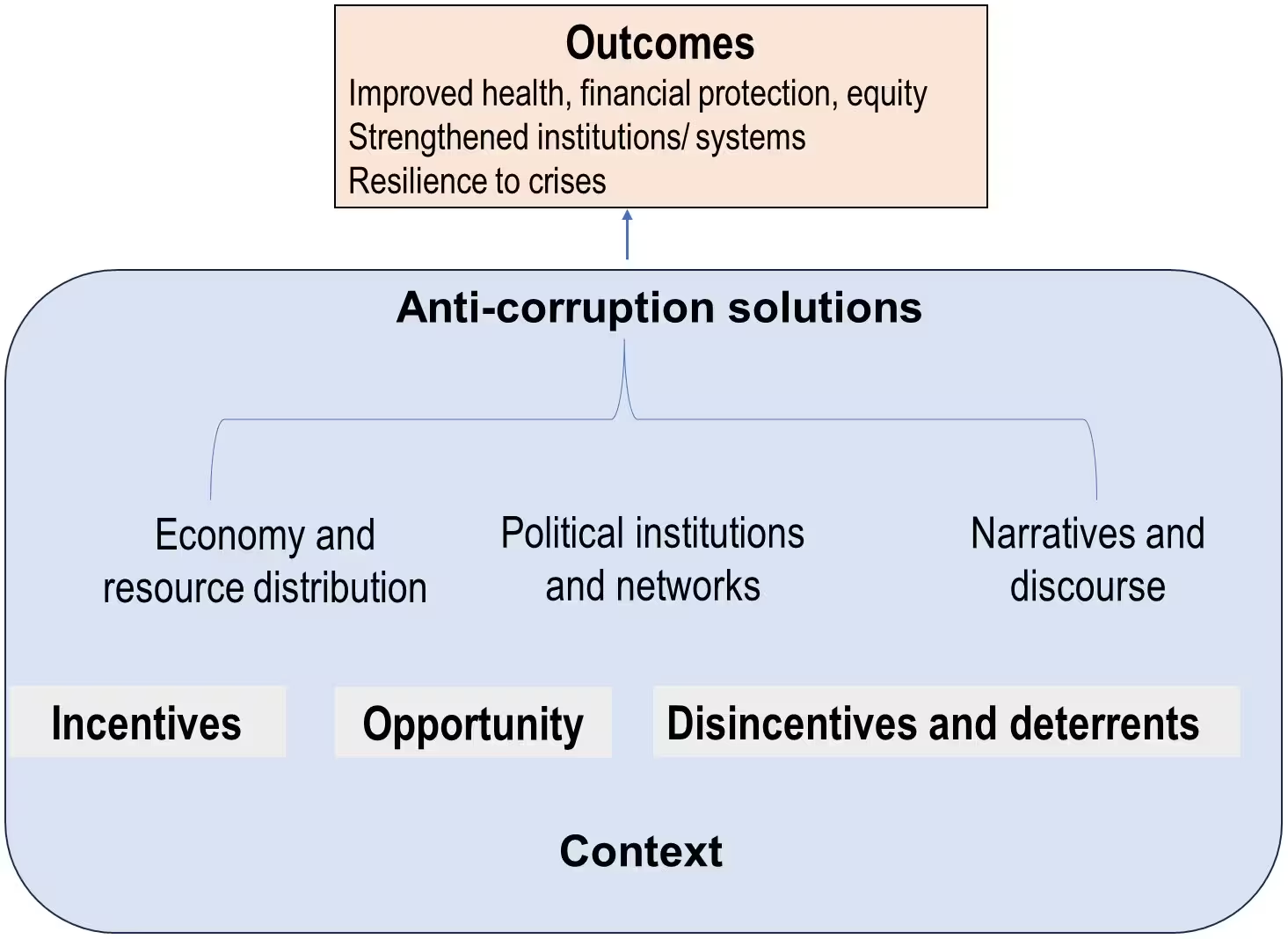
The authors emphasize that tackling health sector corruption requires coordinated strategies that reduce opportunities, increase transparency, and strengthen accountability rather than relying solely on punitive measures. Successful interventions identified in the literature include digital procurement tracking systems, community-led monitoring initiatives, clear statutory codes of conduct, and independent auditing bodies. For example, Europe’s Falsified Medicines Directive demonstrated that serializing and tracking medical products electronically can successfully reduce supply chain corruption. Ultimately, the researchers conclude that neutralizing systemic corruption is an urgent prerequisite for achieving universal health coverage and fulfilling sustainable development goals worldwide.
The research was published in PLOS Global Public Health on November 25, 2026.
This article has been fact checked for accuracy, with information verified against reputable sources. Learn more about us and our editorial process.
Last reviewed on .
Article history
- Latest version
Reference(s)
- Coleman, Michele., et al. “Corruption in health systems: An umbrella review of the pathways to health, financial, and social outcomes.” PLOS Global Public Health, vol. 6, no. 11, November 25, 2026, pp. e0005763 Public Library of Science (PLoS), doi: 10.1371/journal.pgph.0005763. <https://doi.org/10.1371/journal.pgph.0005763>.
- Posted by Susan White