Surgeons Use Novel Bone Fusion and Direct Implant to Restore Walking in Flail Limb Patient
A single-stage hip fusion and osseointegration procedure allowed a patient with a severe athletic injury to walk unaided and cycle after thirteen years of chronic pain.
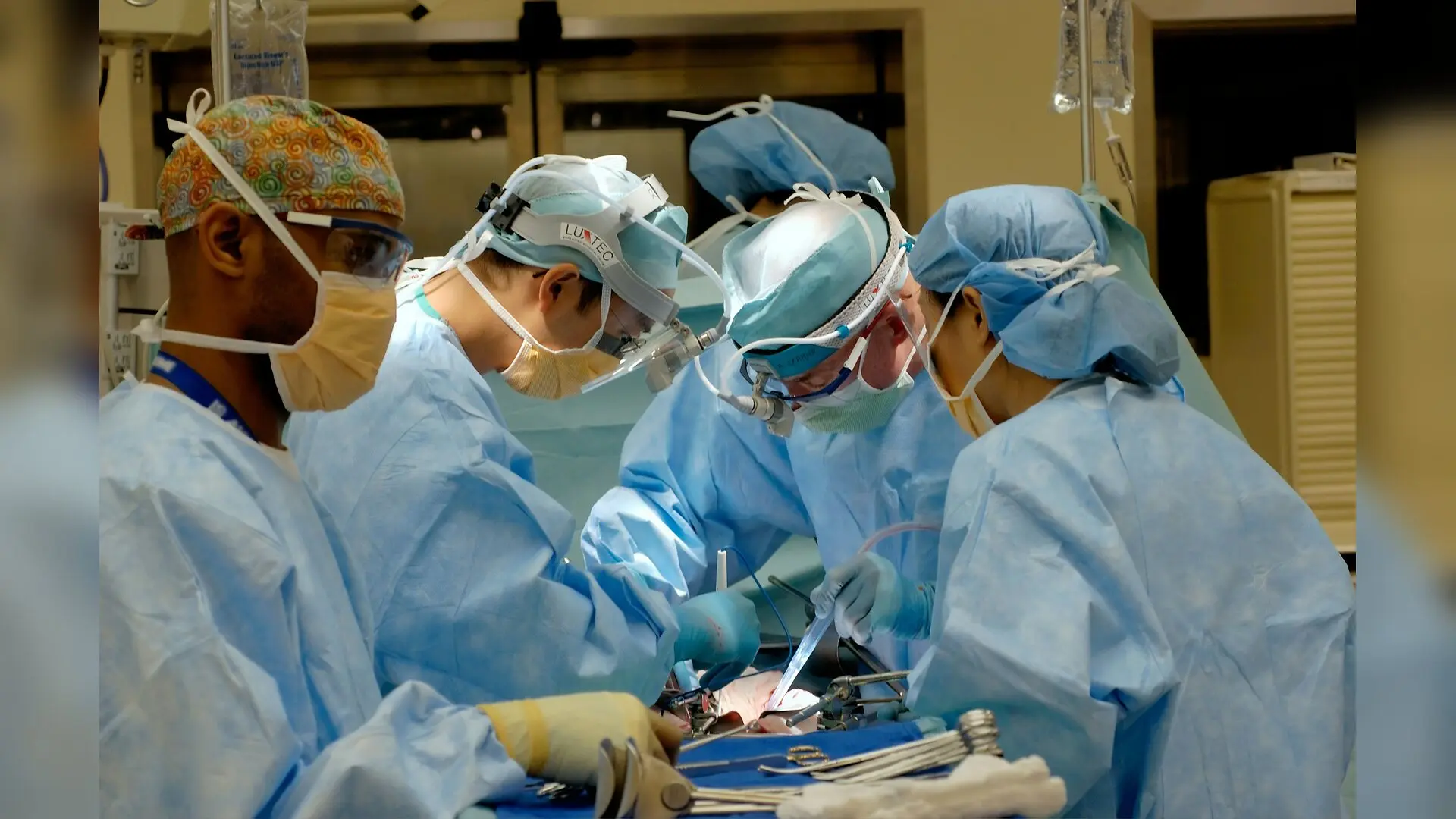
A 51-year-old female athletic trainer who suffered a severe football sideline tackle at age 38 regained the ability to walk unaided and climb stairs after surgeons at the Hospital for Special Surgery in New York performed a complex, single-stage fusion and direct bone implant procedure.
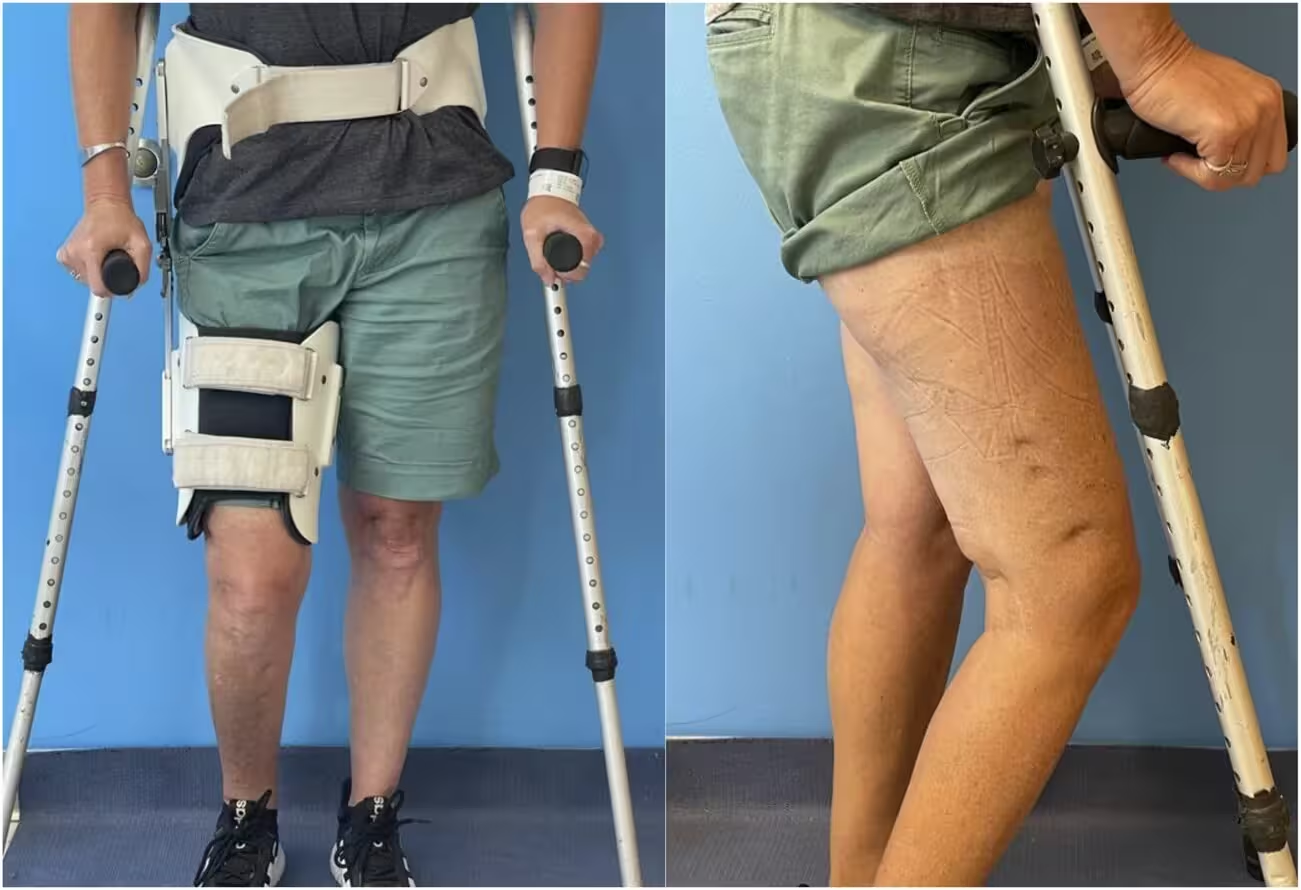
The patient had lived for 13 years with a nonfunctional, flail right lower extremity marked by severe hip and knee contractures, along with debilitating neuropathic pain that left her relying on crutches and a brace. Traditional socket prostheses, which rely on external pressure against soft tissues, are frequently abandoned by patients due to skin breakdown, discomfort, and limited range of motion. To bypass these limitations, the medical team executed a novel reconstruction strategy combining hip fusion, or arthrodesis, with a transfemoral amputation and direct skeletal attachment.
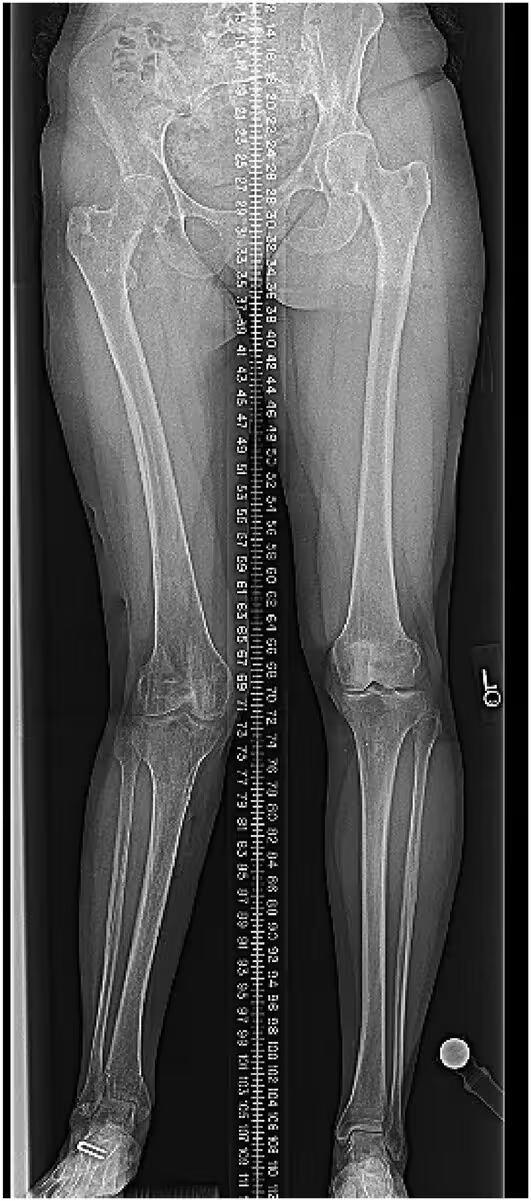
The findings were published in JBJS Case Connector by Brian Joseph Page and his clinical colleagues. The primary innovation of the procedure involved fusing the femoral head directly to the acetabulum, which is the socket of the hip bone. This created a solid and elongated bony structure spanning from the ilium into the proximal femur.
How Does Direct Bone Anchorage Transform Amputee Mobility?
By preserving the proximal femur and incorporating it into the pelvic fixation, the surgical team established a significantly greater surface area for osseointegration, which is the direct structural and functional connection between living bone and a load-bearing implant. This increased bone-to-implant interface is vital for distributing mechanical loads across a wider area, reducing focal stress concentrations that can lead to bone fractures or implant loosening. The extended bony sleeve enhanced the biomechanical stability of the implant, improving gait mechanics, proprioception, and overall functional outcomes.
In addition to the mechanical reconstruction, the team addressed the patient’s severe nerve pain by performing targeted muscle reinnervation of the sciatic nerve and a regenerative peripheral nerve interface of the femoral nerve. This specialized neurosurgical technique redirects severed nerve endings into nearby muscle targets, successfully preventing the formation of painful neuromas.
What Were the Results Four Years After Surgery?
Following a strictly managed rehabilitation protocol that began with partial weight-bearing at six weeks, the patient achieved unassisted ambulation within one year. Now four years post-surgery, she walks completely without walking aids, can rise from the ground, carry heavy objects with both hands, ascend and descend stairs using tandem steps, and ride a recumbent bicycle. Validated outcome measures, including the Locomotor Capabilities Index, showed maximum scores across all categories, reflecting a dramatic improvement in her quality of life and independence.
Despite the successful outcome, the authors noted important limitations and potential complications associated with the technique. Transcutaneous osseointegration implants, which penetrate the skin to connect with external prosthetic components, inherently carry a risk of superficial and deep infections. In a complex pelvic construct, an infection could track proximally into the pelvic fusion mass, presenting a severe, life-threatening complication. Furthermore, the rigid hip fusion creates an altered sitting contour that requires highly customized prosthetic components and ongoing maintenance.
The research was published in JBJS case connector on November 23, 2026.
This article has been fact checked for accuracy, with information verified against reputable sources. Learn more about us and our editorial process.
Last reviewed on .
Article history
- Latest version
Reference(s)
- Page, Brian Joseph., et al. “Osseointegration Limb Replacement in a Patient with Hip Disarticulation Equivalent.” JBJS Case Connector, vol. 16, no. 4, October 1, 2026 Ovid Technologies (Wolters Kluwer Health), doi: 10.2106/JBJS.CC.26.00259. <https://doi.org/10.2106/JBJS.CC.26.00259>.
Cite this page:
- Posted by Tariq Hassan