Rare Bone Death Occurs in 32-Year-Old Woman After Complex Knee Realignment Surgery
A medical case report reveals how surgeons successfully treated unexpected bone death in the lower thigh bone following knee reconstruction.
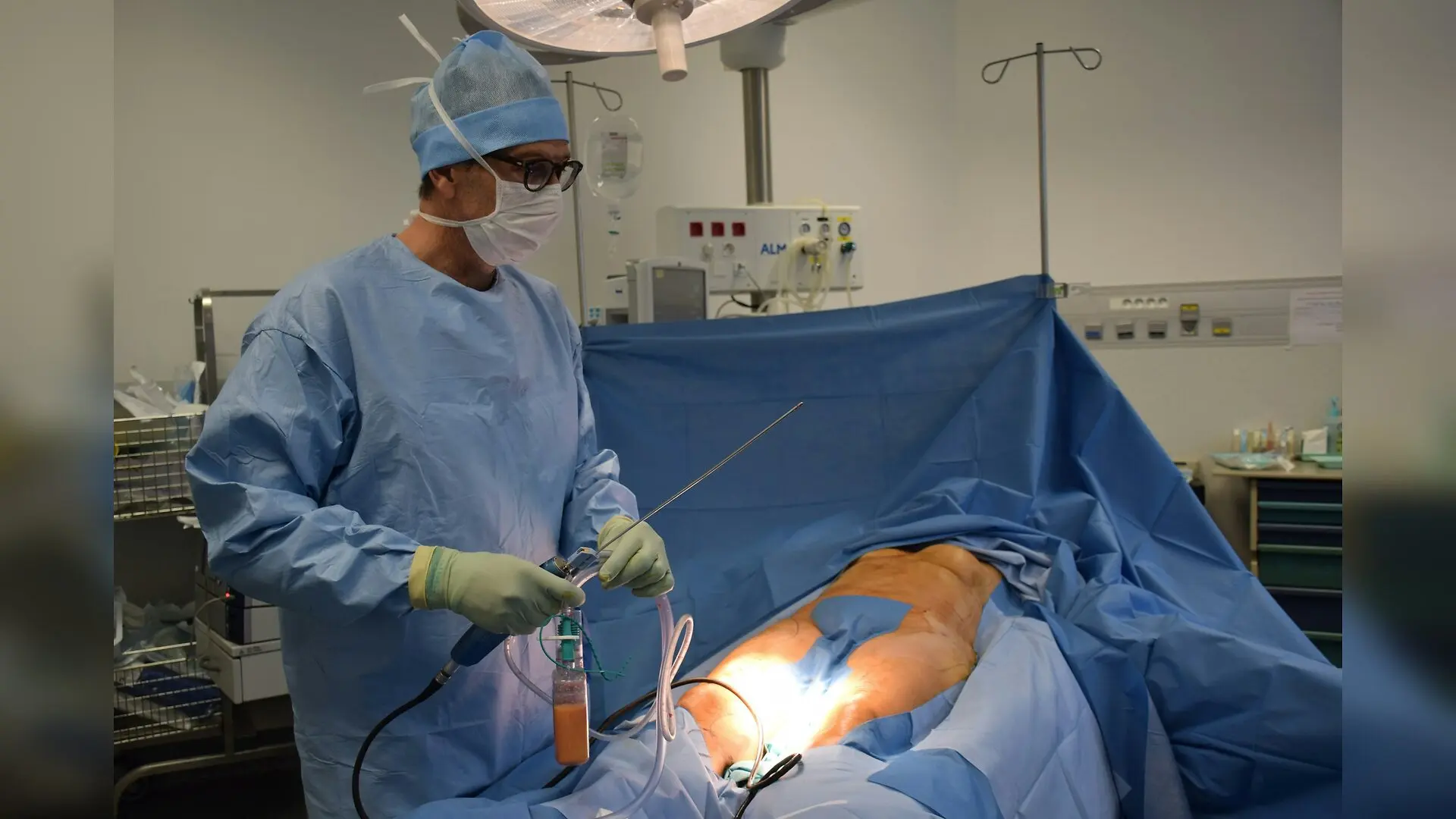
A 32-year-old woman developed a rare case of bone tissue death in her thigh bone five months after undergoing complex knee realignment surgery and a meniscus replacement. Orthopedic specialists at Rush University Medical Center documented the unusual complication, noting that the patient had no traditional risk factors for the condition.
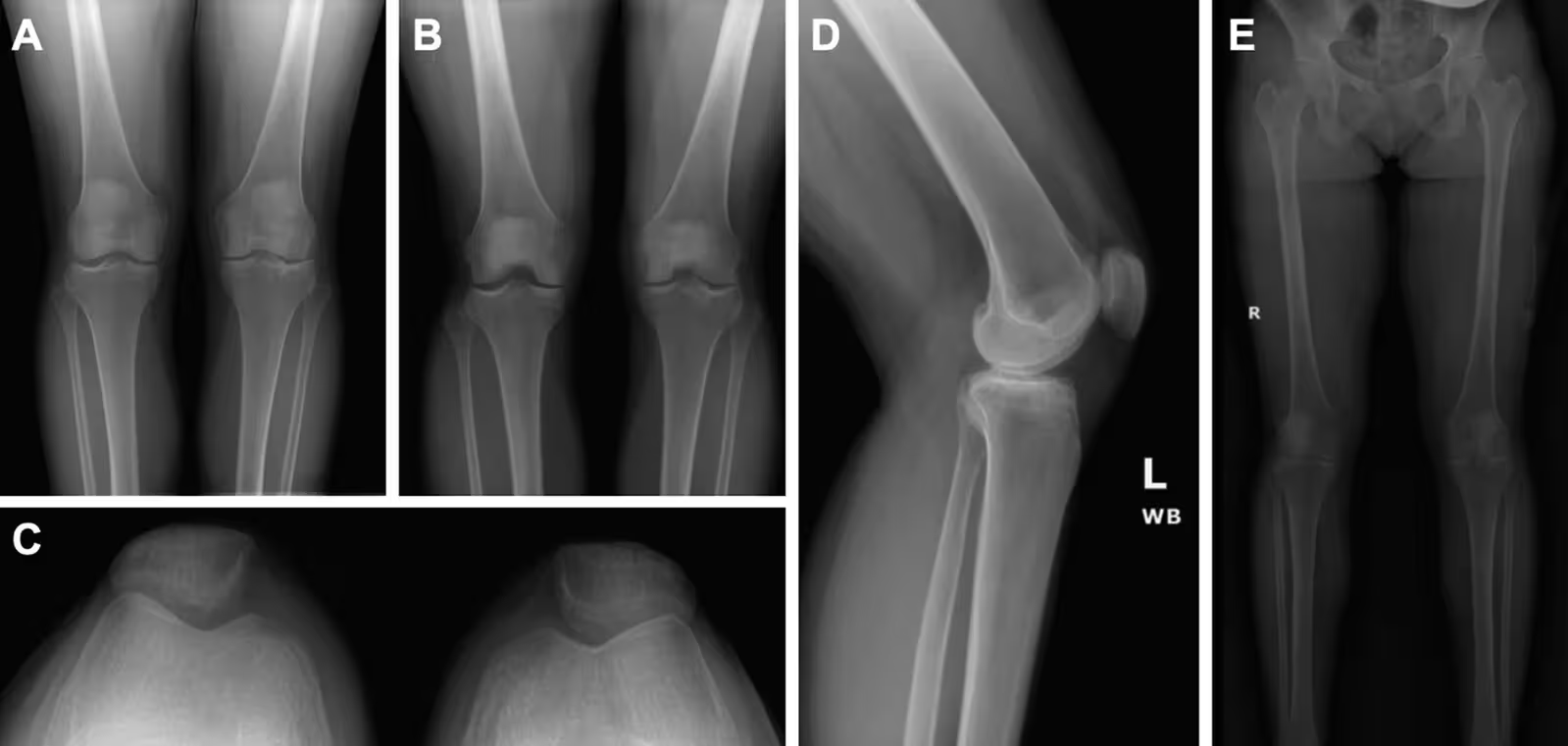
The patient had previously suffered a torn meniscus in her left knee, which failed initial repair attempts and led to a lateral meniscus allograft transplantation using donor tissue. Seven years later, she experienced new pain and swelling. To correct mild leg misalignment and relieve pressure on her injured joint, surgeons performed a distal femoral osteotomy, which is a surgical procedure to cut and reshape the thigh bone above the knee, alongside a revision of her meniscus transplant.
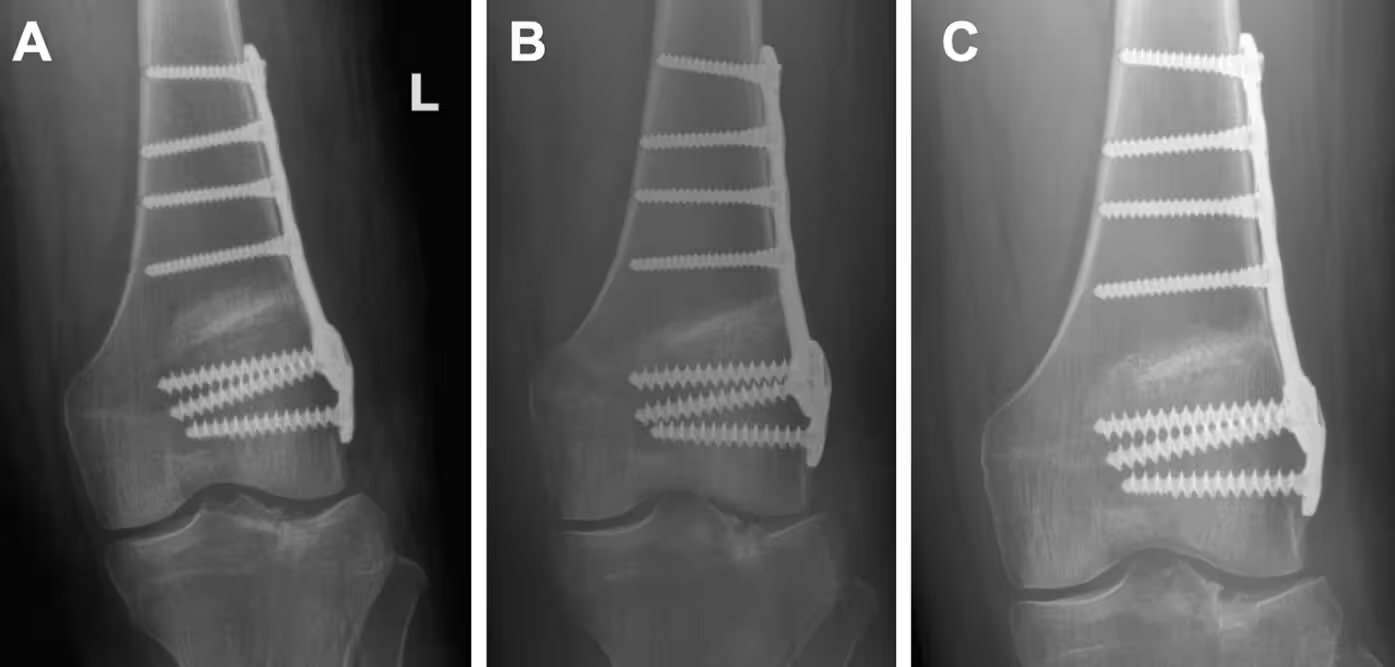
Five months after the procedure, she developed persistent new pain on the outer side of her knee. Advanced imaging scans, including magnetic resonance imaging and computed tomography, revealed osteonecrosis, which is the medical term for the death of bone tissue resulting from a temporary or permanent loss of blood supply. The necrotic area was located in the lower thigh bone near the surgical hardware tracks, without causing a collapse of the joint surface.
Why Does This Rare Complication Happen After Surgery?
Osteonecrosis of the lower thigh bone is exceptionally rare because the region possesses a rich network of blood vessels that typically protects it from ischemic death, unlike the hip joint, which is far more vulnerable. However, the surgical cuts and hardware placement required during knee realignment procedures can disrupt vital local blood vessels, such as the periosteal arteries that supply the lower thigh bone. The details of this case are published in JBJS Case Connector by Kristen Barton and her colleagues.
Because the patient had no history of heavy alcohol use, corticosteroid medications, blood-clotting disorders, or autoimmune diseases, the medical team concluded that the disruption of local blood flow caused by the surgery was the direct trigger. While similar bone death has been documented after surgeries on the upper shin bone, this represents a newly identified complication following thigh bone realignment.
How Did Doctors Treat the Damaged Bone Successfully?
To address the persistent pain and prevent the bone from collapsing, the patient underwent a salvage procedure six and a half months after her initial surgery. Surgeons removed the previous hardware, performed distal femoral decompression by drilling into the dead bone area to relieve internal pressure and encourage new blood vessel growth, and packed the cavity with donor bone chips to provide structural support.
Within weeks of the bone grafting procedure, the patient experienced a complete resolution of her lateral knee pain. Follow-up evaluations at one year and four years showed that the bone lesion healed successfully without further deterioration. Patient-reported functional scores improved significantly, and her knee range of motion returned to normal levels, demonstrating that early recognition and joint-preserving surgery can yield positive outcomes even when rare complications arise.
The research was published in JBJS case connector on November 23, 2026.
This article has been fact checked for accuracy, with information verified against reputable sources. Learn more about us and our editorial process.
Last reviewed on .
Article history
- Latest version
Reference(s)
- Barton, Kristen I.., et al. “Osteonecrosis After Distal Femoral Osteotomy and Revision Lateral Meniscus Allograft Transplantation.” JBJS Case Connector, vol. 16, no. 4, October 1, 2026 Ovid Technologies (Wolters Kluwer Health), doi: 10.2106/JBJS.CC.26.00319. <https://doi.org/10.2106/JBJS.CC.26.00319>.
Cite this page:
- Posted by Susan White