European Study Reveals Why Millions With Hepatitis B Drop Out of Medical Care
A comprehensive review of twenty-four European studies highlights persistent healthcare roadblocks and immigrant care patterns in the hepatitis B cascade.

About fourteen million people live with a chronic viral liver infection across Europe, yet health systems struggle to keep these patients connected to long-term medical care. A new study reveals that while research on the hurdles patients face has surged over the past decade, critical gaps remain in understanding how to keep vulnerable groups receiving the treatment they need.
What Obstacles Prevent Patients From Staying in Care?
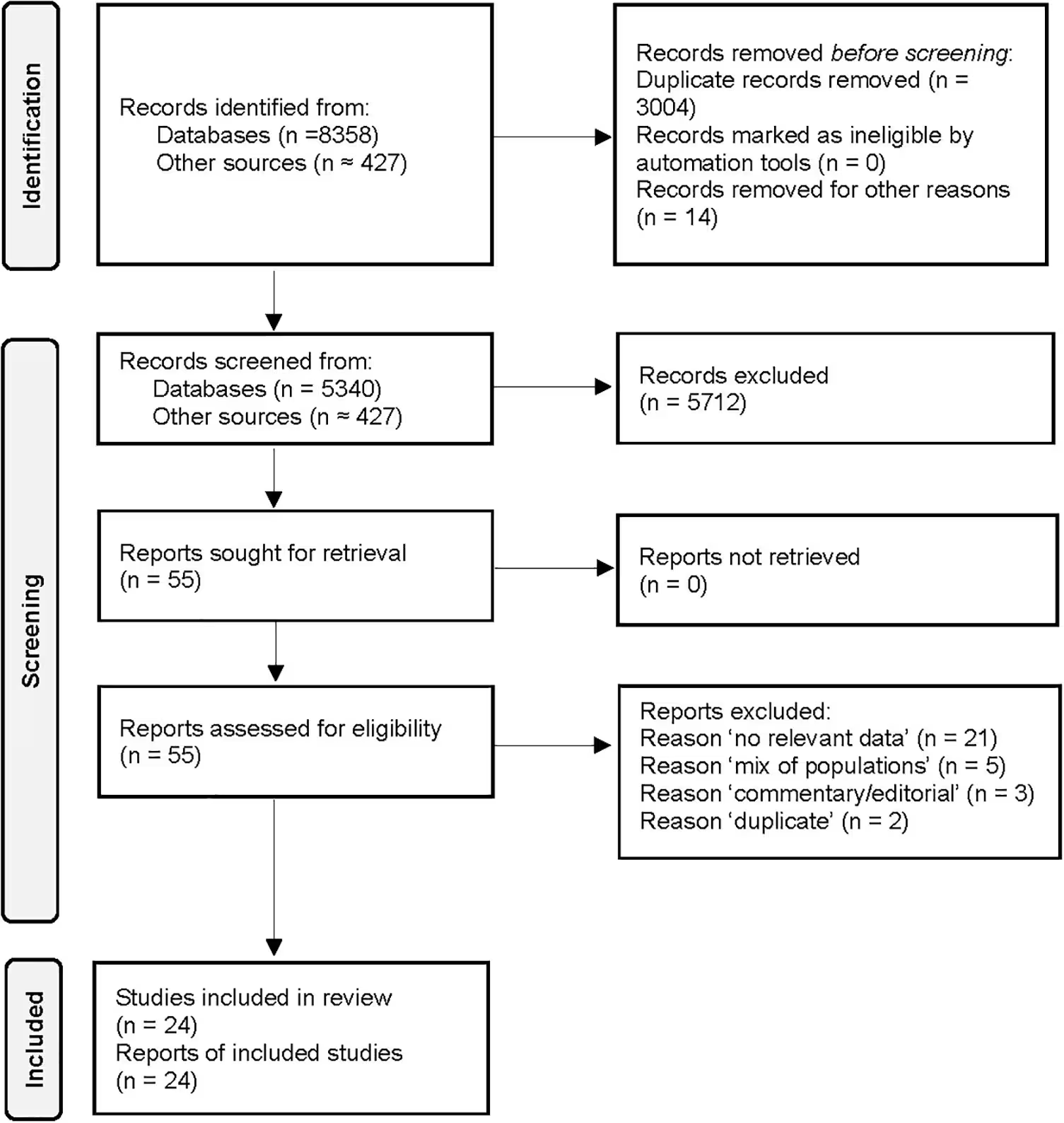
The research, published in the PLOS One journal by Rigmor C. Berg and colleagues from the Norwegian Institute of Public Health and UiT The Arctic University of Norway, analyzed twenty-four studies conducted across eleven European nations, the United Kingdom, and Switzerland. The authors mapped the medical journey for people living with hepatitis B, a blood-borne viral infection that attacks the liver. Unlike similar viral conditions, hepatitis B can be prevented with vaccines and treated with antiviral medicines, though it cannot yet be cured. Regular monitoring allows most patients to live a normal lifespan, but many patients drop out of the healthcare system before receiving therapy.
The review found that about one in five people who test positive for the virus never attend a specialist consultation. Furthermore, when patients do start antiviral therapies, retention drops significantly over time, with more than half lost to follow-up after ten years. The researchers examined the entire care pathway, breaking it down into five key steps, which include testing, referral, linking to specialist care, starting treatment, and long-term retention.
Why Do Migrants and Other Groups Face Greater Hurdles?
Three-quarters of the participants across the analyzed studies were immigrants, mostly originating from Asia and Africa. Interestingly, several cohort studies within the review indicated that immigrant status was associated with a higher likelihood of connecting to specialist care and staying in treatment, contradicting some assumptions that migrants uniformly experience worse care. However, the authors note that migrant populations are diverse, and language barriers, a lack of translated medical materials, and a scarcity of professional interpreters consistently hindered testing and diagnosis.
Systemic healthcare issues also emerged as major roadblocks. Resource constraints, a lack of clear guidance for primary care doctors, and the low visibility of the virus in public health strategies contributed to delayed referrals. Healthcare professionals often reported uncertainty about clinical guidelines and insufficient training, which added to the fragmentation of care.
Which High-Risk Populations Are Missing From Current Research?
While the existing literature heavily focuses on migrant communities in high-income settings, the review uncovered a concerning absence of data regarding other vulnerable groups. Individuals in prison and people who inject drugs face a disproportionately high risk of infection, yet almost no studies in the review targeted these populations. The authors emphasize that neglecting these groups in research and national strategies perpetuates health inequalities and makes it difficult to design effective interventions for them.
On the positive side, the review highlighted several facilitators that successfully improved patient outcomes. For instance, updating national referral guidelines in the Netherlands increased the number of patients reaching specialists. Additionally, rapid point-of-care testing in community settings helped bridge the gap between initial diagnosis and specialist care for migrants in Belgium and Spain.
What Comes Next for Hepatitis B Care in Europe?
The authors point out that while research has expanded rapidly since 2010, the diversity of barriers across different countries means there is no single solution. They suggest that future efforts must focus on raising public awareness, improving clinician training, and establishing clear, standardized care pathways. Expanding research to include middle-income European countries and understudied high-risk groups will be essential if health authorities hope to meet international goals for eliminating viral hepatitis as a public health threat.
The research was published in PLOS One on November 24, 2026.
This article has been fact checked for accuracy, with information verified against reputable sources. Learn more about us and our editorial process.
Last reviewed on .
Article history
- Latest version
Reference(s)
- Berg, Rigmor C.., et al. “Barriers and facilitators along the continuum of care among people living with hepatitis B in EU/EEA, Switzerland and the UK: A scoping review.” PLOS One, vol. 21, no. 11, November 24, 2026, pp. e0363584 Public Library of Science (PLoS), doi: 10.1371/journal.pone.0363584. <https://doi.org/10.1371/journal.pone.0363584>.
Cite this page:
- Posted by Susan White