Scientists Discover How Your Gut Antibodies Act as a Natural Brake Against Colon Cancer
New research suggests that antibodies lining the gut may play a crucial role in preventing the development of colon cancer.
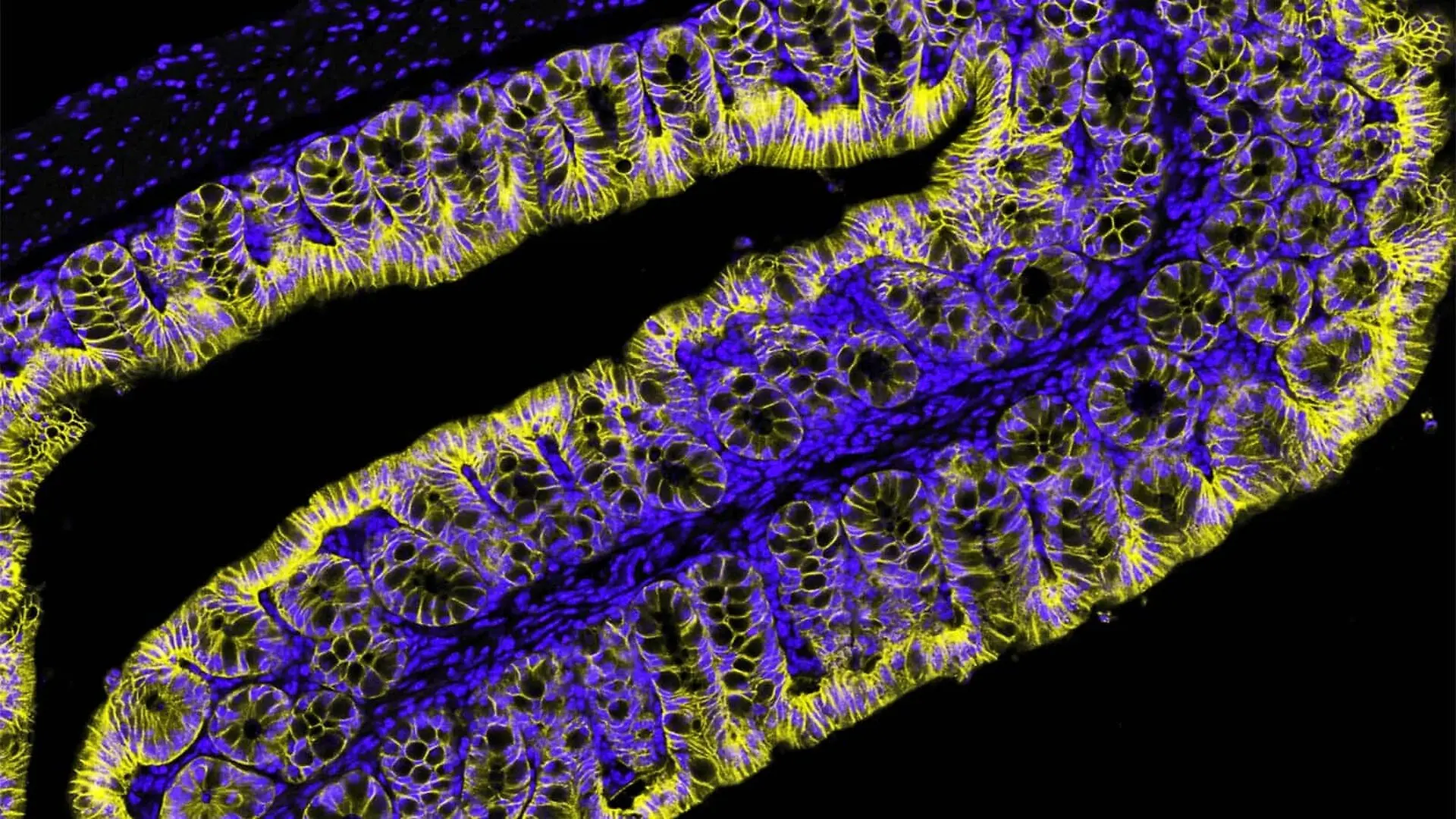
Hidden Immune Defense Mechanism Could Prevent Colon Cancer Before It Starts
A critical component of the human immune system may act as a biological brake to prevent the development of colon cancer, according to new research published in Nature. Scientists have discovered that immunoglobulin A (IgA)—an antibody abundant in the gut lining—plays a far more active role in suppressing tumor growth than previously understood.
The study, led by researchers at Rockefeller University, indicates that IgA does more than simply neutralize pathogens; it actively regulates the division of cells lining the intestinal wall. When these cells divide too rapidly, they are prone to mutations that can lead to cancer. The presence of IgA appears to maintain a state of equilibrium, preventing the cellular overgrowth that serves as a precursor to malignancy.
The research team identified that mice lacking IgA were twice as likely to develop colon tumors compared to their counterparts with healthy immune function. Intriguingly, when the researchers administered oral doses of IgA to the deficient mice, the heightened cancer risk was effectively neutralized.
A Molecular Brake for Cell Division
For decades, the high concentration of IgA in the digestive tract has puzzled immunologists. Unlike other antibodies that target specific threats, IgA is a broad-acting frontline responder. By tracking how these antibodies interact with the intestinal lining, the researchers identified a specific receptor on epithelial cells known as DMBT1.
The findings reveal a complex interaction: in the presence of gut bacteria, the DMBT1 receptor acts as a signal for cells to proliferate. Under normal conditions, IgA binds to DMBT1, effectively suppressing this signal and preventing uncontrolled cell division. In the absence of IgA, the “gas pedal” remains stuck in the down position, allowing cells to proliferate unchecked and increasing the likelihood of tumor formation.
“Most cancer research focuses on trying to destroy a tumor that already exists, but what if we could intervene before tumors form?” says senior author Daniel Mucida, who heads the Laboratory of Mucosal Immunology at Rockefeller University.
Future Implications for Cancer Prevention
The discovery is particularly significant for individuals with IgA deficiency, a condition affecting approximately one in 500 people in the United States. These individuals have long been known to face a higher risk of colorectal cancer, but the underlying mechanism remained poorly understood until now.
By defining the role of the DMBT1 receptor and its interaction with IgA, the researchers have opened new potential avenues for clinical intervention. Because the study suggests that the immune system actively keeps epithelial cells in check, doctors might one day be able to target this pathway in patients who have had polyps removed, effectively reducing the risk of recurrence.
Beyond synthetic interventions, the researchers are looking toward the gut microbiome itself. “A lot of research has focused on bacteria that induce tumors or can exacerbate their growth, but we have some evidence that there are bacteria that could do the opposite, just as IgA does,” says study co-author Gregory Donaldson, now an assistant professor at UCLA. “Perhaps we could develop a probiotic supplement that induces a protective IgA response.”
While the team emphasizes that these applications remain speculative, the work fundamentally shifts the understanding of gut health from a passive environment to a dynamic “dance” between microbes, antibodies, and the intestinal wall. Future research will likely focus on how this delicate balance can be bolstered to provide a natural, preventative defense against one of the world’s most common cancers.
This article has been fact checked for accuracy, with information verified against reputable sources. Learn more about us and our editorial process.
Last reviewed on .
Article history
- Latest version
Reference(s)
- Donaldson, Gregory P.., et al. “Suppression of epithelial proliferation and tumorigenesis by IgA.” Nature, November 11, 2026 Springer Science and Business Media LLC, doi: 10.1038/s41586-026-11264-2. <https://doi.org/10.1038/s41586-026-11264-2>.
Cite this page:
- Posted by Sana Malik