Could An Ultrasonic Brain Massage Help Reverse Alzheimer’s Symptoms
New research suggests low-cost ultrasound stimulation could help reverse brain structural changes associated with Alzheimer’s disease.
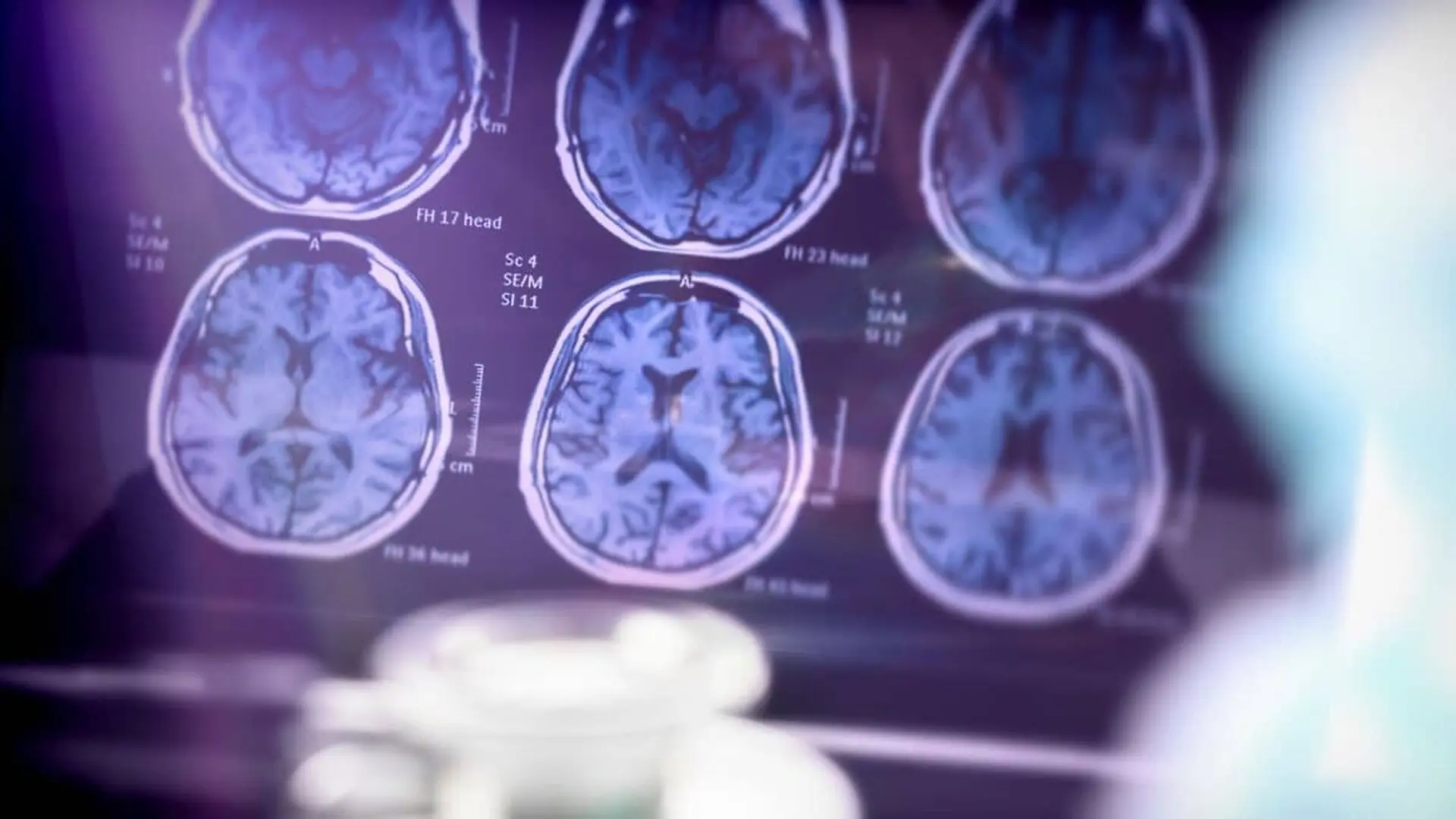
Anesthesiologist Dr. Stuart Hameroff is proposing a unconventional approach to managing cognitive decline: a portable, hairdryer-sized device that delivers unfocused ultrasound across the entire brain. Termed Transcranial UltraSound (TUS), the method aims to stabilize microtubules—microscopic structures within neurons that provide vital internal support. Research has long linked the degradation of these structures to Alzheimer’s disease, and Hameroff posits that mechanical stimulation could potentially help reassemble or maintain their integrity.
Every neuron relies on tens of thousands of microtubules to function correctly. In the brains of patients with Alzheimer’s, researchers frequently observe that tau—a protein that typically binds to these microtubules—has detached and aggregated into toxic clusters known as neurofibrillary tangles. While it remains unclear whether the microtubules collapse first or if the tau protein dissociates due to structural instability, the link between this deterioration and cognitive loss is well-documented. Hameroff’s hypothesis is rooted in the idea that specific frequencies of sound waves could interact with these structures, a concept bolstered by the work of quantum researcher Dr. Anirban Bandyopadhyay, who identified unique electromagnetic and mechanical resonance signatures within microtubules.
Beyond Targeted Stimulation: The Potential of Whole-Brain Resonance
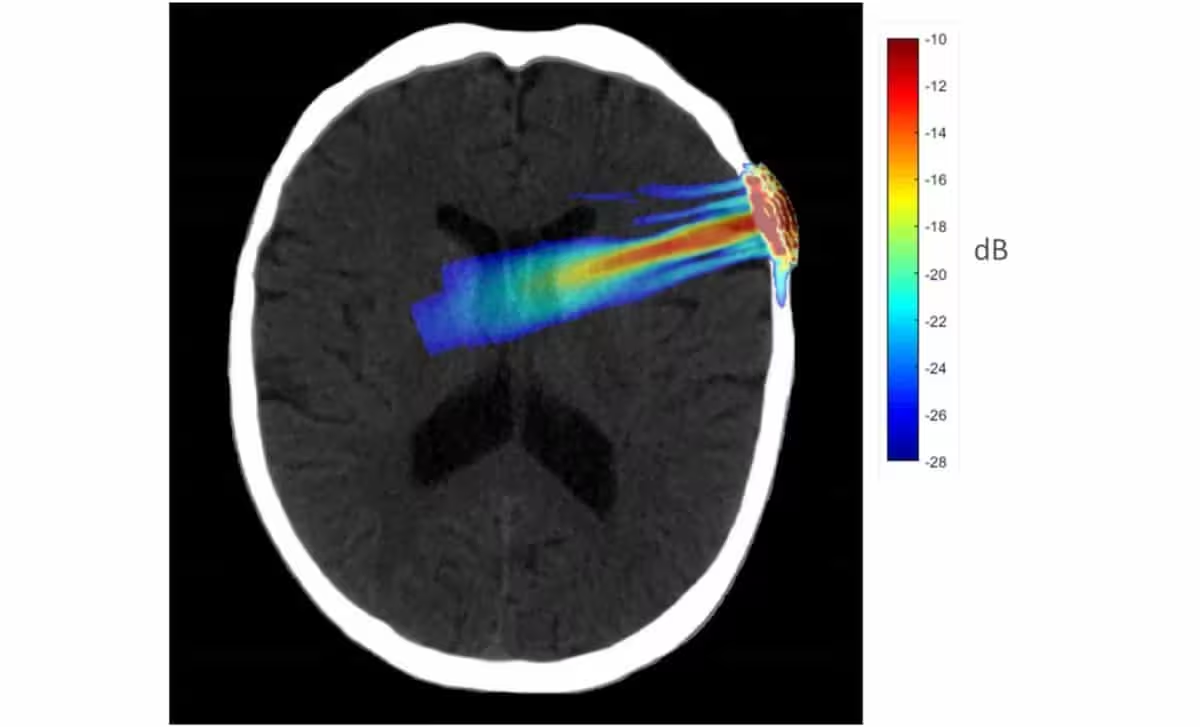
Current research into transcranial focused ultrasound (tFUS) typically concentrates energy on specific areas like the hippocampus. In several studies, brief three-minute daily sessions of focused ultrasound resulted in improved cognitive performance and increased metabolic activity within 26 days, with no reported side effects. However, Hameroff argues that because memory and executive functions are distributed across the entire cerebral cortex, a “whole-brain” approach using unfocused, low-intensity waves could provide broader therapeutic benefits.
A significant barrier to widespread clinical adoption of ultrasound therapies is the cost of hospital-grade equipment, which can exceed $70,000. By contrast, Hameroff’s proposed technique utilizes a consumer-grade device, the USPro 2000, which retails for approximately $150. He describes this low-intensity application as an “ultrasonic brain massage” that avoids the high-energy heating associated with conventional medical ultrasound.
Navigating Clinical Validation and Future Development
The transition from theory to clinical reality is currently being navigated through a pilot study overseen by the Institute of Noetic Sciences (IONS). This investigation follows initial informal testing conducted by ultrasound engineer Sterling Cooley. Because the study requires participants to self-administer the treatment at home, it has faced bureaucratic hurdles, including a requirement for physician approval that has slowed recruitment.
Hameroff remains measured in his claims, emphasizing that the project is currently exploring the management of general memory issues rather than promising a cure for Alzheimer’s. Despite the speculative nature of his broader theory—which connects microtubule function to the very nature of human consciousness—his immediate goals are practical. He envisions a future where clinicians could walk through memory care facilities, offering five-minute sessions to residents. He has even conceptualized a more advanced iteration of the technology, humorously dubbed the “Tubulator 5000,” which would be engineered to resonate specifically with the various microtubule frequencies identified by his collaborators.
While the prospect of an inexpensive, home-based memory treatment is compelling, researchers caution that current evidence does not yet confirm that whole-brain stimulation can safely reverse the complex pathology of neurodegenerative disease. For now, the technique remains a subject of ongoing pilot investigation, awaiting the data necessary to determine its viability in a clinical setting.
This article has been fact checked for accuracy, with information verified against reputable sources. Learn more about us and our editorial process.
Last reviewed on .
Article history
- Latest version
Cite this page:
- Posted by David Anderson