Three Checkpoints Reveal Why Mutated Blood Stem Cells Drive Heart Disease Differently Than Expected
A new framework separates stem cell competition, immune cell output, and plaque residency to explain why blood tests alone miss the true cardiovascular risk of genetic mutations.
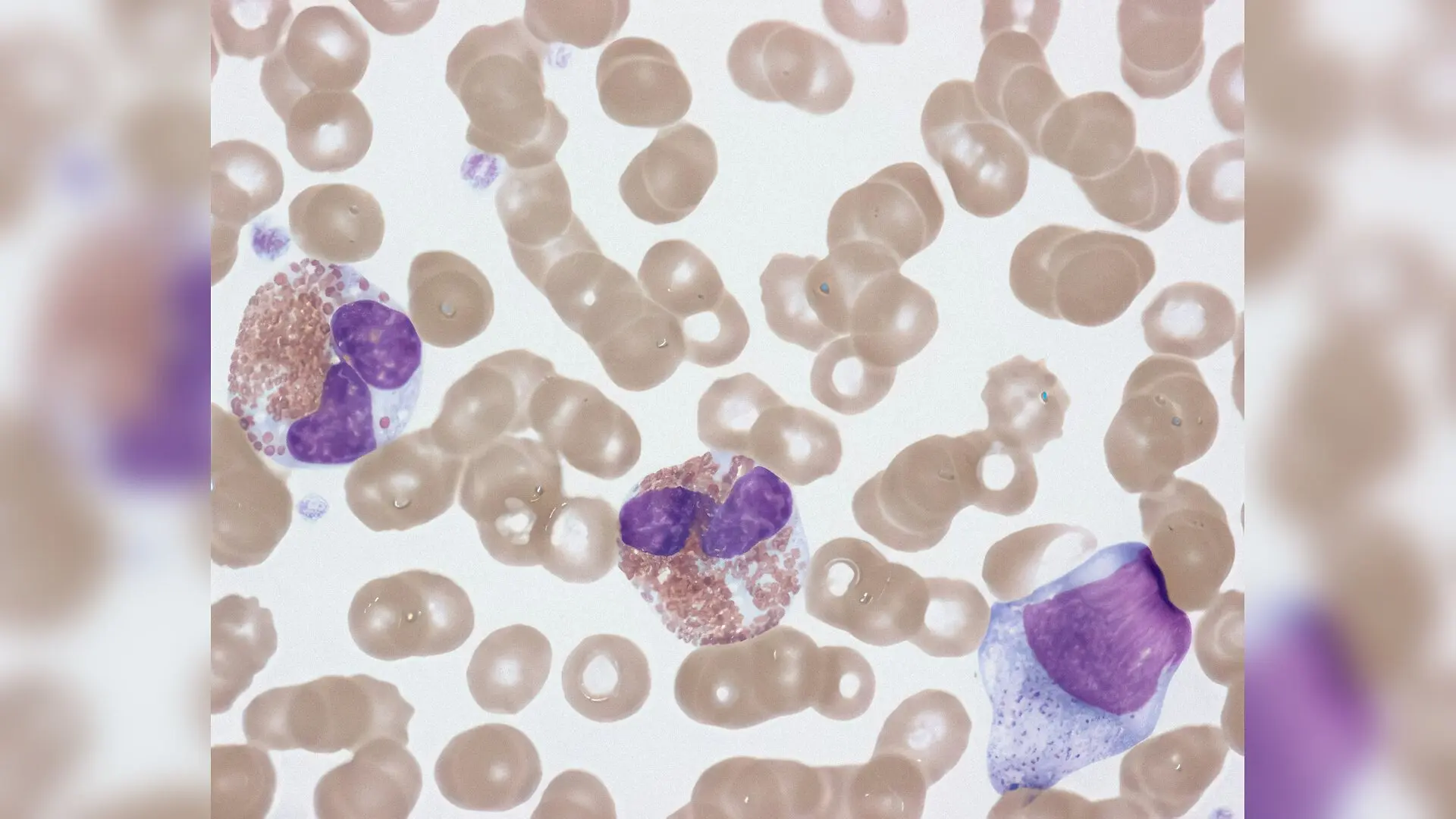
A new conceptual framework separates the journey of mutated blood stem cells into three distinct checkpoints to explain why not all genetic mutations lead to dangerous heart disease, pointing to how these clones compete, produce inflammatory cells, and settle into artery walls. Atherosclerotic cardiovascular disease remains the leading cause of death worldwide, with substantial residual risk despite aggressive control of lipids, blood pressure, and glucose.
Clonal hematopoiesis of indeterminate potential, known as CHIP, involves a somatic driver mutation at a variant allele frequency of at least two percent without overt hematologic disease. Mutations accumulate in hematopoietic stem cells, which are blood-forming stem cells in the bone marrow, with age, occasionally conferring a competitive advantage, with genes such as DNMT3A, TET2, and ASXL1 acting as the most frequent drivers. CHIP is associated with roughly twice the risk of coronary artery disease, but the exact sequence from a single mutated cell to plaque buildup in an artery involves multiple distinct biological steps.
How Do Stem Cells Compete Inside the Bone Marrow Niche?
Checkpoint one concerns competition between mutant and wild-type hematopoietic stem cells in the bone marrow, where selection refers to a change in representation through differences in survival, self-renewal, proliferation, or differentiation. While inflammatory signals such as interleukin-6, a signaling protein that regulates immune and inflammatory responses, can give mutant cells an advantage, the linear model assuming that a winning stem cell clone simply supplies more inflammatory macrophages to the plaque fails to capture the full picture.
In human CHIP, the competitive advantage of mutant stem cells is sometimes associated with an attenuated, rather than amplified, inflammatory response, and lineage skewing can happen under normal conditions without any rise in absolute monocyte numbers unless metabolic stress occurs. Furthermore, lifestyle factors such as sleep and exercise exert gene-specific effects on clone expansion, and large-scale genetic analyses in the UK Biobank have found no direct effect of predicted serum cytokines or cardiovascular disease on overall CHIP risk.
What Kind of Immune Cells Do Mutant Clones Produce?
Checkpoint two asks what a mutant stem cell clone produces after differentiation, separating the abundance of myeloid cells, which are a broad class of immune cells that include monocytes and macrophages, from their functional phenotype. The authors, Ueno and Nakayama, discuss this in detail published in Frontiers in Cardiovascular Medicine, highlighting how different driver genes produce divergent outcomes.
For instance, ASXL1 mutations lead to intrinsic skewing toward specific inflammatory monocytes even on a normal diet, whereas TET2-deficient clones only show increased monocyte numbers under high-fat dietary conditions. In contrast, DNMT3A haploinsufficiency, meaning a loss of one functional copy of the gene, shifts myeloid lineage composition toward more neutrophils without causing overall monocytosis, and human DNMT3A-mutant cells may exert inflammatory effects through paracrine bystander activation of neighboring normal cells.
Why Is Tissue Residence and Local Plaque Expansion So Hard to Measure?
Checkpoint three asks what happens after mutant-derived immune cells leave the circulation and encounter cardiovascular tissues, encompassing recruitment, retention, niche occupancy, and local proliferation. Whole-exome sequencing of spatially indexed human carotid plaques now establishes that the artery wall does support clonal expansion in situ, with somatic mutations frequently exceeding ten percent of cells in a given sample and spanning millimeters of tissue.
However, methodological constraints remain challenging because most animal models rely on irradiated bone marrow transplant chimeras, which empty the tissue-resident macrophage compartment before the mutant clone arrives. Resolving a clone in human tissue requires matching genotype and phenotype within the same cell, an approach that is only recently becoming tractable through advanced single-cell multi-omics and mitochondrial DNA barcoding.
What Are the Implications for Future Medical Therapies?
Existing pharmacological interventions map mostly onto the first two checkpoints rather than tissue-level residence. Exploratory analyses suggest that drugs such as canakinumab, a monoclonal antibody targeting interleukin-1 beta, and colchicine, an anti-inflammatory medication, may modify outcomes in specific mutation carriers, while metformin inhibits mitochondrial respiration in DNMT3A-mutant stem cells.
The proposed three-checkpoint framework underscores that blood variant allele frequency alone cannot identify the anatomical site or mechanism of selection. Establishing these dynamics will require future research designed around cell movement and population population-level kinetics rather than relying on inflammatory phenotype alone.
The research was published in Frontiers in cardiovascular medicine on November 23, 2026.
This article has been fact checked for accuracy, with information verified against reputable sources. Learn more about us and our editorial process.
Last reviewed on .
Article history
- Latest version
Cite this page:
- Posted by Faisal Qureshi