Tunnel Vision Disrupts Spatial Processing More Than Blurry Sight
New research shows that restricted peripheral sight undermines spatial judgment and learning, while reduced visual acuity has less impact on these essential skills.
Restricted peripheral vision impacts a child’s ability to judge spatial layouts far more than blurred sight does, according to an assessment of 97 patients published in PLOS One. Researchers examined why visually impaired students frequently struggle with academic subjects that rely heavily on visuo-spatial skills, such as geometry and reading.
How Brain Plasticity Shapes Spatial Judgments
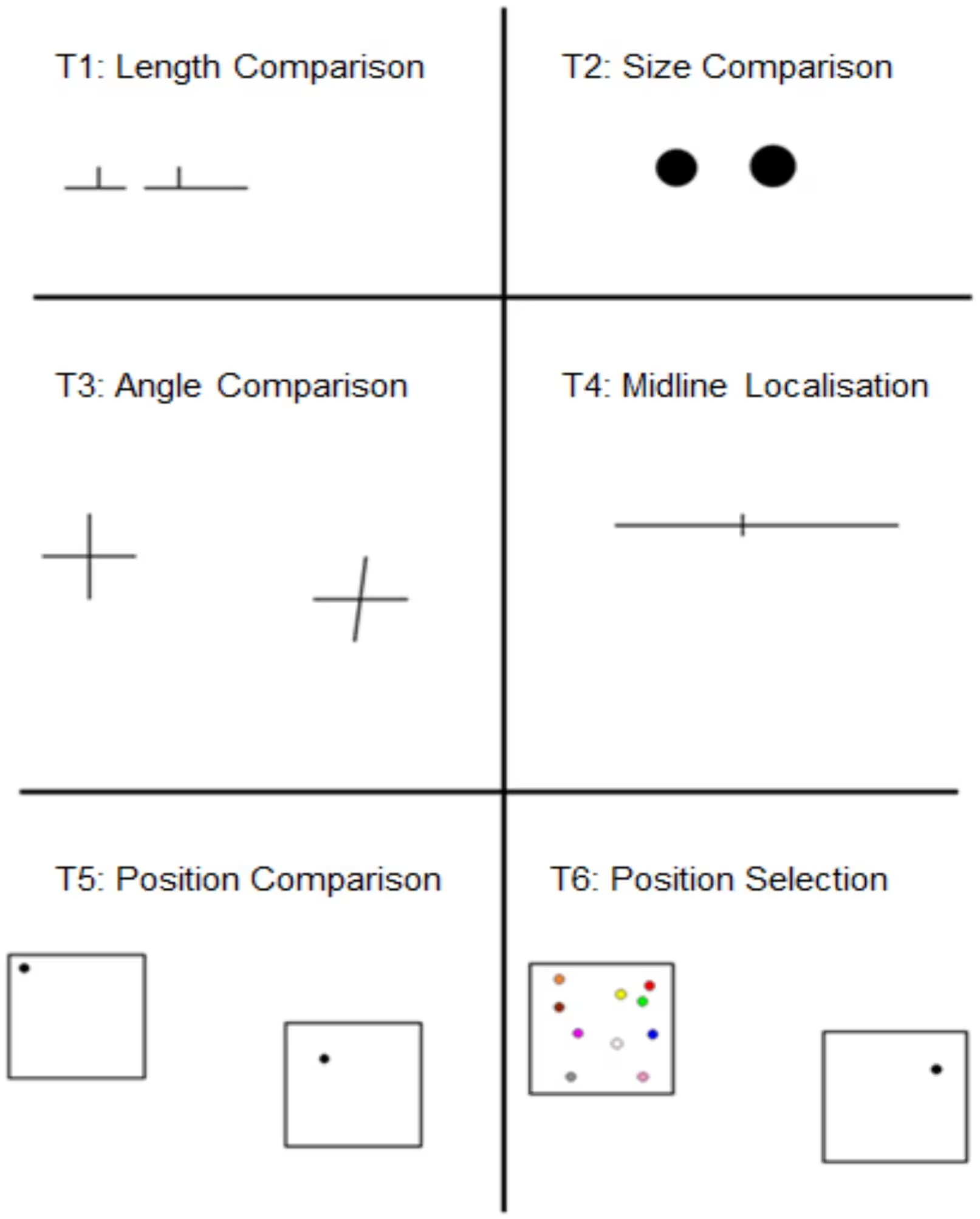
For decades, educators and clinicians assumed that poor academic performance among children with visual impairments stemmed directly from reduced visual acuity, which means the inability to see fine details clearly. To test this assumption, a team of French clinicians and researchers evaluated patients aged 5 to 39 using a specialized screening tool called the Elementary Visuo-Spatial Perception test. This test measures a person’s capacity to discriminate fine differences in length, size, angles, and relative positions without requiring complex language or manual dexterity.
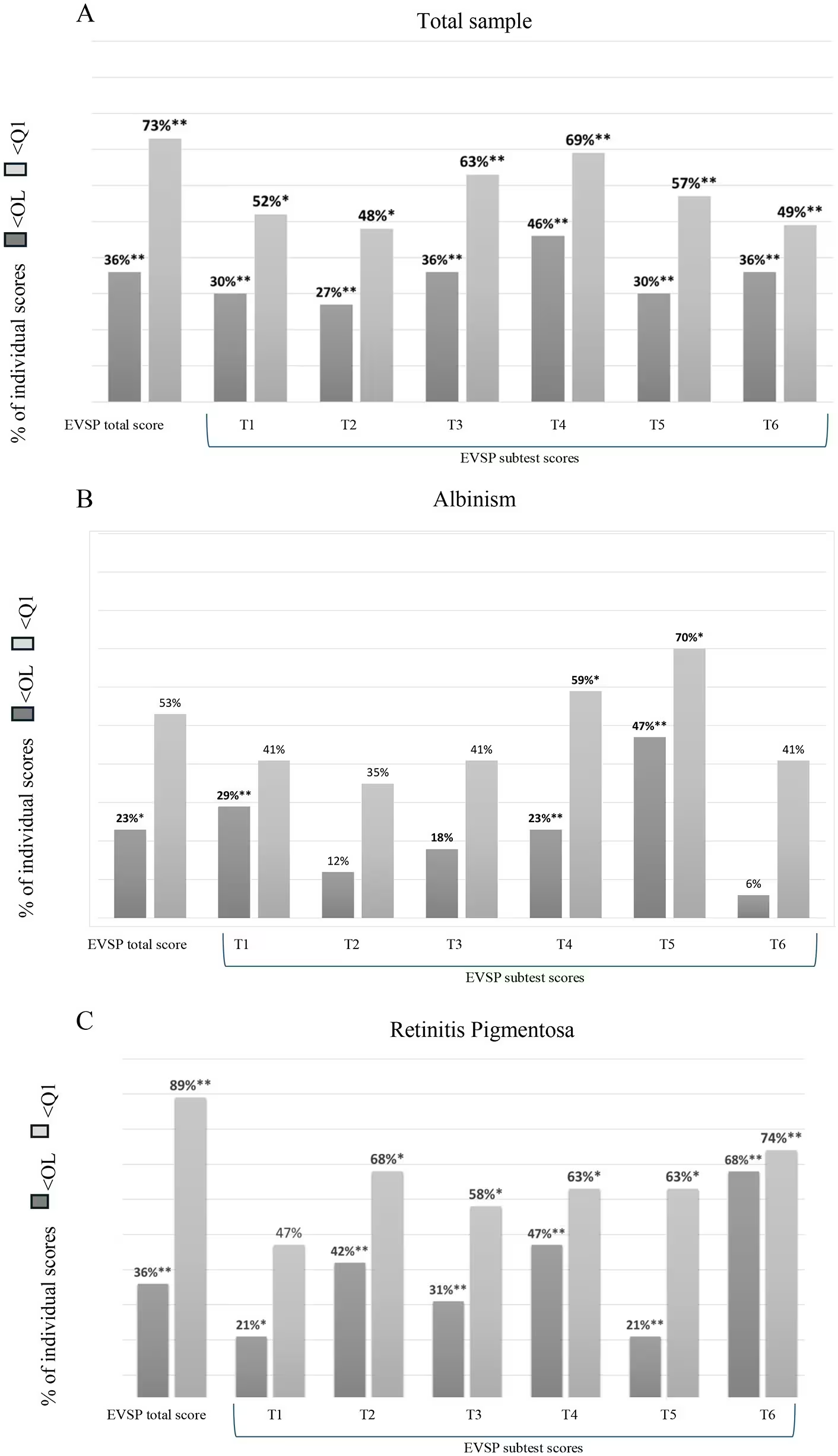
The investigators discovered that visuo-spatial perception scores correlated significantly with the extent of a person’s visual field, but showed no significant link to either near or far visual acuity. Patients who experienced peripheral vision loss demonstrated widespread difficulties across all subtests of the assessment.
Comparing Retinitis Pigmentosa and Albinism
To untangle the distinct effects of visual field loss versus blurriness, the authors analyzed two specific clinical subgroups from their larger cohort. The first group comprised 19 individuals diagnosed with Retinitis Pigmentosa, an inherited condition characterized by night blindness followed by a progressive narrowing of the peripheral visual field, often called tunnel vision. The second group consisted of 18 individuals with Albinism, a genetic condition that reduces pigmentation in the eyes and causes foveal hypoplasia, leading to a significant loss of visual acuity while leaving the peripheral visual field largely intact.
Among the participants with Retinitis Pigmentosa, 89 percent scored below the normative interquartile range, indicating widespread fragility in processing spatial information. Conversely, the prevalence of severe deficits did not reach statistical significance in the group with Albinism. Performance in that group remained comparable to the neurotypical population for tasks involving size and angle comparisons.
Why Peripheral Loss Disrupts the Brain Dorsal Stream
The dorsal visual stream, often called the where pathway, relies on accurate inputs from both central and peripheral vision to build a coherent representation of physical space. While previous laboratory simulations using artificial masks on healthy volunteers suggested that restricted vision alone does not ruin spatial accuracy, chronic medical conditions alter the brain over time. Neuroimaging studies cited by the authors show that losing input from the peripheral retina triggers maladaptive cortical reorganization in the primary visual area, distorting how the brain processes central visual information.
This cortical rewiring explains why individuals with tubular vision struggle with basic spatial metrics even when objects fall within their preserved central gaze. The findings indicate that clinicians must look beyond standard visual acuity measurements when supporting students in academic settings.
The research was published in PLOS One on November 20, 2026.
This article has been fact checked for accuracy, with information verified against reputable sources. Learn more about us and our editorial process.
Last reviewed on .
Article history
- Latest version
Reference(s)
- Drissi, Hind., et al. “Visuo-spatial perception deficit in ophthalmological disorders: Visual field extent matters.” PLOS One, vol. 21, no. 11, November 20, 2026, pp. e0363153 Public Library of Science (PLoS), doi: 10.1371/journal.pone.0363153. <https://doi.org/10.1371/journal.pone.0363153>.
Cite this page:
- Posted by Elizabeth Taylor