Hidden Avian Malaria Parasite Found Thriving Across Thailand With Strict Regional Boundaries
Mitochondrial DNA analysis of five isolates reveals a rare mix of flexible host habits and tight geographic segregation among wild birds.
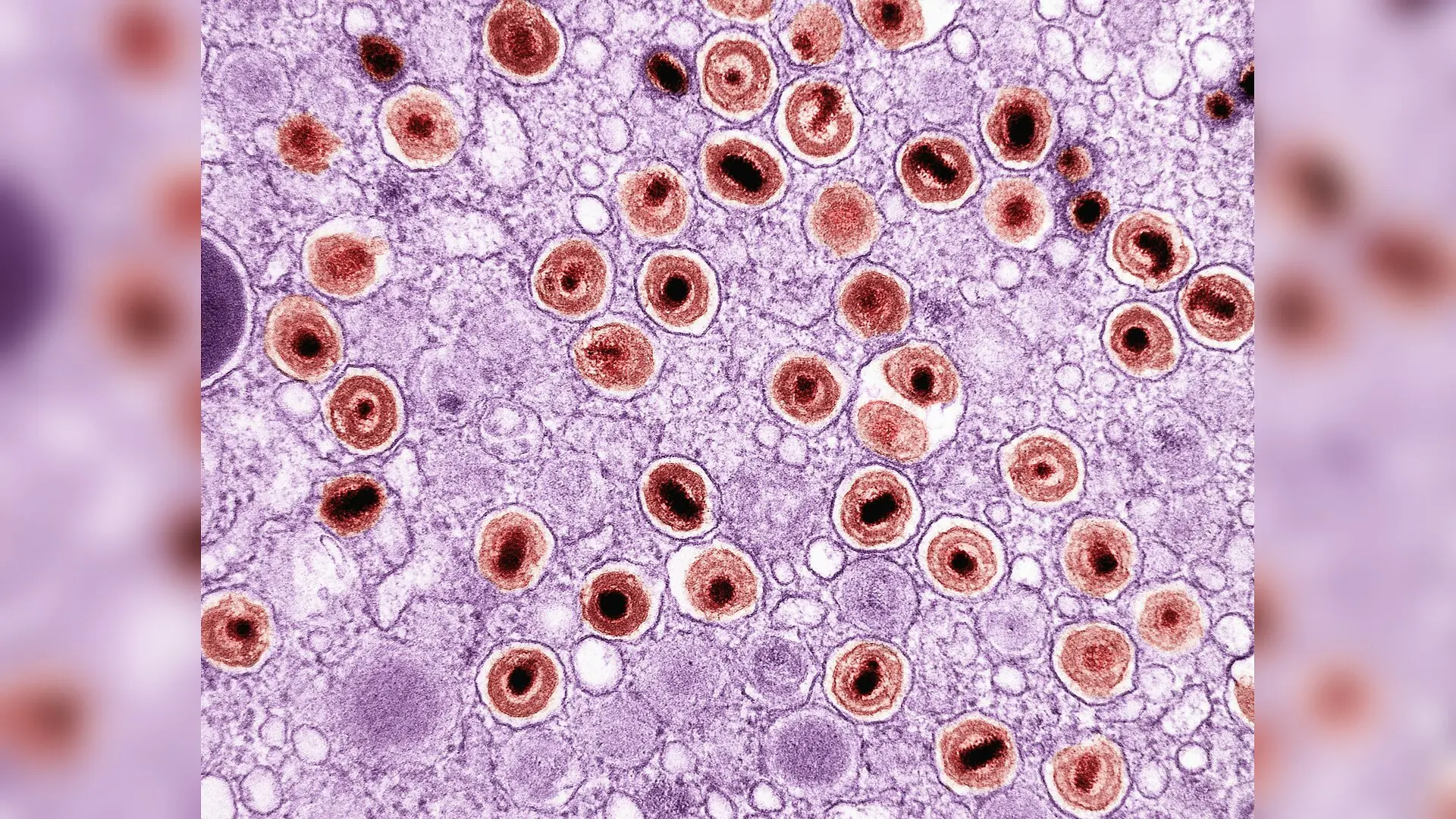
An under-detected avian malaria parasite has been found hiding in plain sight across Thailand, showing a curious mix of flexible host habits and strict geographic boundaries. Researchers recovered near-complete mitochondrial genomes from five isolates of the parasite Plasmodium collidatum, a generalist pathogen belonging to a group known to cause severe disease in wild birds. The findings shed new light on how these resilient single-celled organisms maintain stable infections across complex landscapes without triggering explosive outbreaks.
How did researchers decode the hidden genetics of this parasite?
Led by Phirom Prompiram and colleagues at Mahidol University in Thailand, the team examined archived blood samples collected from wild and captive birds between 2018 and 2025. These samples originated from three distinct Thai provinces, namely Chonburi in the east, Nakhon Pathom in the central region, and Nakhon Sawan in the north. The hosts included diverse species such as the kalij pheasant, siamese fireback, spotted dove, white-breasted waterhen, and feral pigeon. Using high-throughput next-generation sequencing, the researchers successfully sequenced a nearly six thousand base pair fragment of the mitochondrial genome for each isolate, targeting three key protein-coding genes.
Phylogenetic reconstruction and further analyses were published in Ecology and Evolution, revealing that the Thai isolates formed a robust monophyletic clade with strong statistical support. This means they share a distinct, exclusive evolutionary branch separate from other known malaria lineages. Specifically, the genetic distance between the Thai isolates and their closest known relative, Plasmodium ashfordi, ranged between five and six percent, confirming a clear species-level divergence.
Why do different provinces harbor completely separate parasite strains?
When the investigators constructed a median-joining haplotype network using a concatenated three-gene dataset spanning three thousand three hundred fifteen base pairs, they uncovered a striking geographic pattern. The analysis revealed three distinct haplotypes that mapped perfectly to the three sampling provinces. Hap_one appeared exclusively in Chonburi Province, Hap_two in Nakhon Pathom Province, and Hap_three in Nakhon Sawan Province. Despite the relatively short physical distances between these regions, the complete lack of shared haplotypes indicates that regional gene flow is heavily restricted.
This geographic segregation points strongly toward environmental filters or localized vector communities acting as barriers. While the exact insect vectors transmitting Plasmodium collidatum in Southeast Asia remain unconfirmed, related malaria parasites are typically spread by mosquitoes belonging to the genera Culex and Aedes. Microclimatic conditions and breeding habitat preferences of these local mosquitoes likely restrict how far the vectors and the parasites can travel.
Can a generalist parasite remain geographically confined while infecting many birds?
Even though the genetic lineages were strictly separated by geography, the parasite displayed remarkable flexibility when it came to choosing its animal hosts. Within each province, the same genetic variant infected completely different avian orders. For instance, Hap_one was found in ground-dwelling game birds belonging to the order Galliformes, while Hap_two was recovered from both doves of the order Columbiformes and waterbirds of the order Gruiformes. Hap_three was identified in feral pigeons.
This duality of broad host plasticity and tight geographic partitioning suggests that transmission dynamics are governed more by entomological barriers and physical distance than by host species boundaries. Birds moving across regions might encounter different vector populations that either fail to support the parasite or prevent it from establishing new local transmission cycles.
What do genetic diversity metrics reveal about demographic stability?
To understand whether these parasite populations are growing, shrinking, or remaining stable over time, the team calculated standard genetic diversity indices and neutrality statistics. The analysis yielded a relatively high haplotype diversity of zero point eight zero, paired with a very low nucleotide diversity of zero point zero zero zero seven two. Furthermore, neutrality tests including Tajima’s D and Fu’s Fs yielded non-significant values close to zero.
In wildlife genetics, this combination of high haplotype diversity and low nucleotide diversity, alongside non-significant neutrality tests, typically indicates a long-term stable population living in endemic stasis. It suggests that Plasmodium collidatum has persisted in Thailand through a steady equilibrium without undergoing severe population bottlenecks or sudden, explosive expansions. The authors note, however, that these insights are based on a modest sample size of five isolates, meaning the findings serve as an essential molecular baseline rather than a definitive population-wide trait.
What challenges remain for future avian malaria research?
While the study successfully demonstrates the power of high-resolution mitochondrial genomics for tracking cryptic haemosporidians, several important questions remain unanswered. The authors caution that expanding the research to include multi-locus nuclear markers and larger sample sizes across broader areas will be necessary to fully capture the genetic landscape. Additionally, active entomological surveillance is urgently needed to identify the exact mosquito species acting as definitive hosts in the region. Understanding these baseline interactions is crucial for predicting how environmental shifts or climate change might disrupt this delicate balance and protect vulnerable bird populations from future disease emergence.
The research was published in Ecology and evolution on November 23, 2026.
This article has been fact checked for accuracy, with information verified against reputable sources. Learn more about us and our editorial process.
Last reviewed on .
Article history
- Latest version
Reference(s)
- Prompiram, Phirom., et al. “Mitogenomic Evidence of Host Plasticity and Strict Phylogeographic Restriction in the Avian Malaria Parasite Plasmodium collidatum.” Ecology and Evolution, vol. 16, no. 11, November 23, 2026 Wiley, doi: 10.1002/ece3.74821. <https://doi.org/10.1002/ece3.74821>.
Cite this page:
- Posted by Elizabeth Taylor