Decades of Genomic Data Reveal Hidden Diversity of Dog Pathogen in China
Genomic analysis of seventy-seven bacterial strains uncovers distinct phylogenetic subgroups and regional links across East Asia.
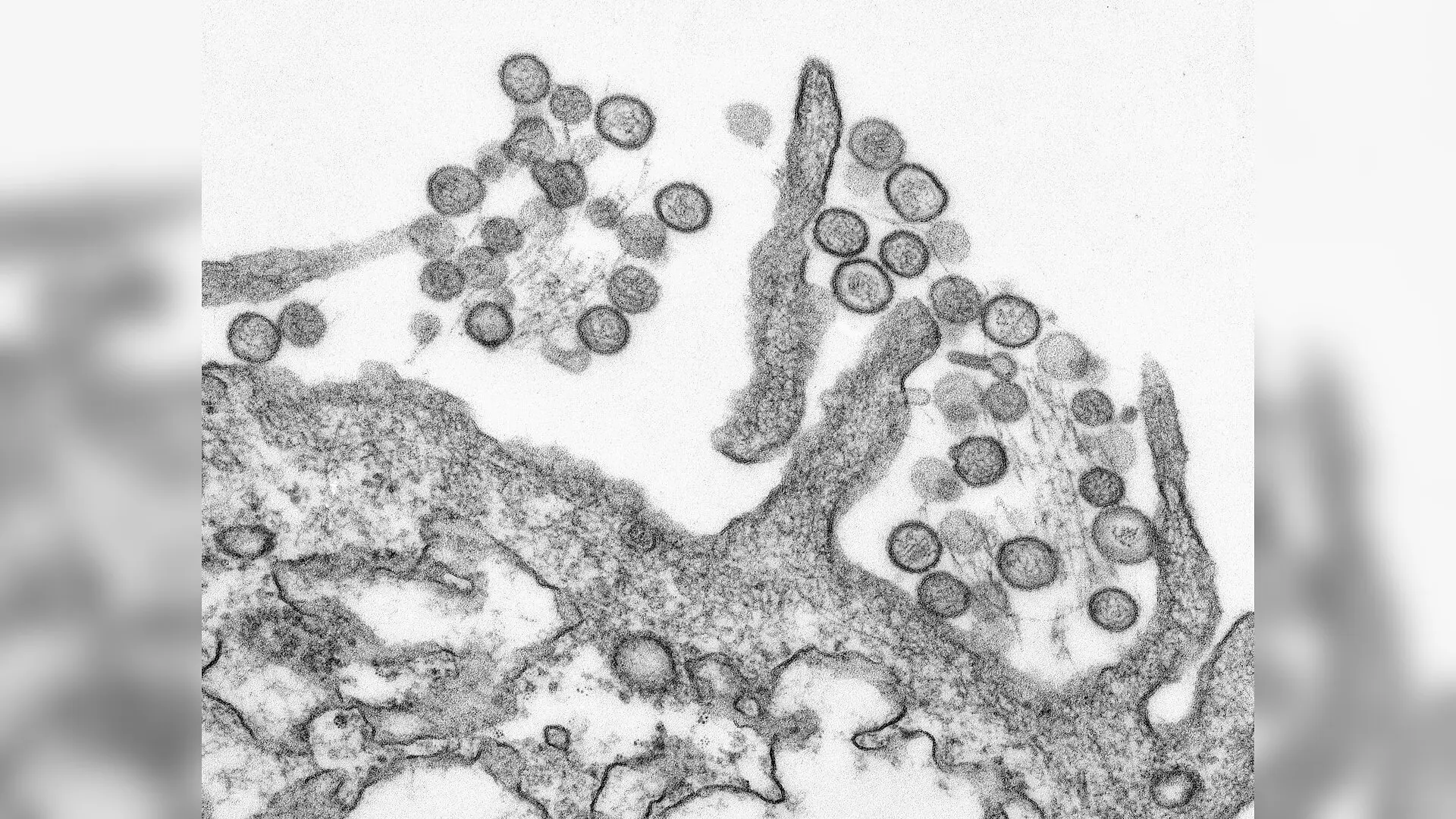
Seventy-seven genetic blueprints of the neglected bacterial pathogen Brucella canis reveal unexpected diversity and long-term persistence across Mainland China over nearly four decades, according to a recent analysis.
Dogs can carry the bacterium without showing any outward signs of sickness, creating a hidden risk for veterinarians, breeders, and pet owners who handle infected animals or contaminated birth materials. While the organism typically causes reproductive failure and joint inflammation in dogs, human infection leads to flu-like symptoms including persistent fever, severe fatigue, and chills.
How did researchers map the hidden spread across Chinese provinces?
Led by Zhongming Tan at the Jiangsu Provincial Center for Disease Control and Prevention, the research team analyzed seventy-seven whole genomes of the pathogen, including three newly sequenced strains recovered through routine disease surveillance alongside archival samples. The team examined 11 Chinese isolates collected between 1988 and 2025 across six provincial-level regions, comparing them against 66 international sequences retrieved from public databases. To uncover fine-scale genetic relationships, the investigators applied average nucleotide identity calculations, nine-locus multilocus sequence typing, and core-genome single-nucleotide polymorphism phylogenetic reconstruction, which tracks tiny letter changes across shared genes. The findings are published in PLOS Neglected Tropical Diseases.
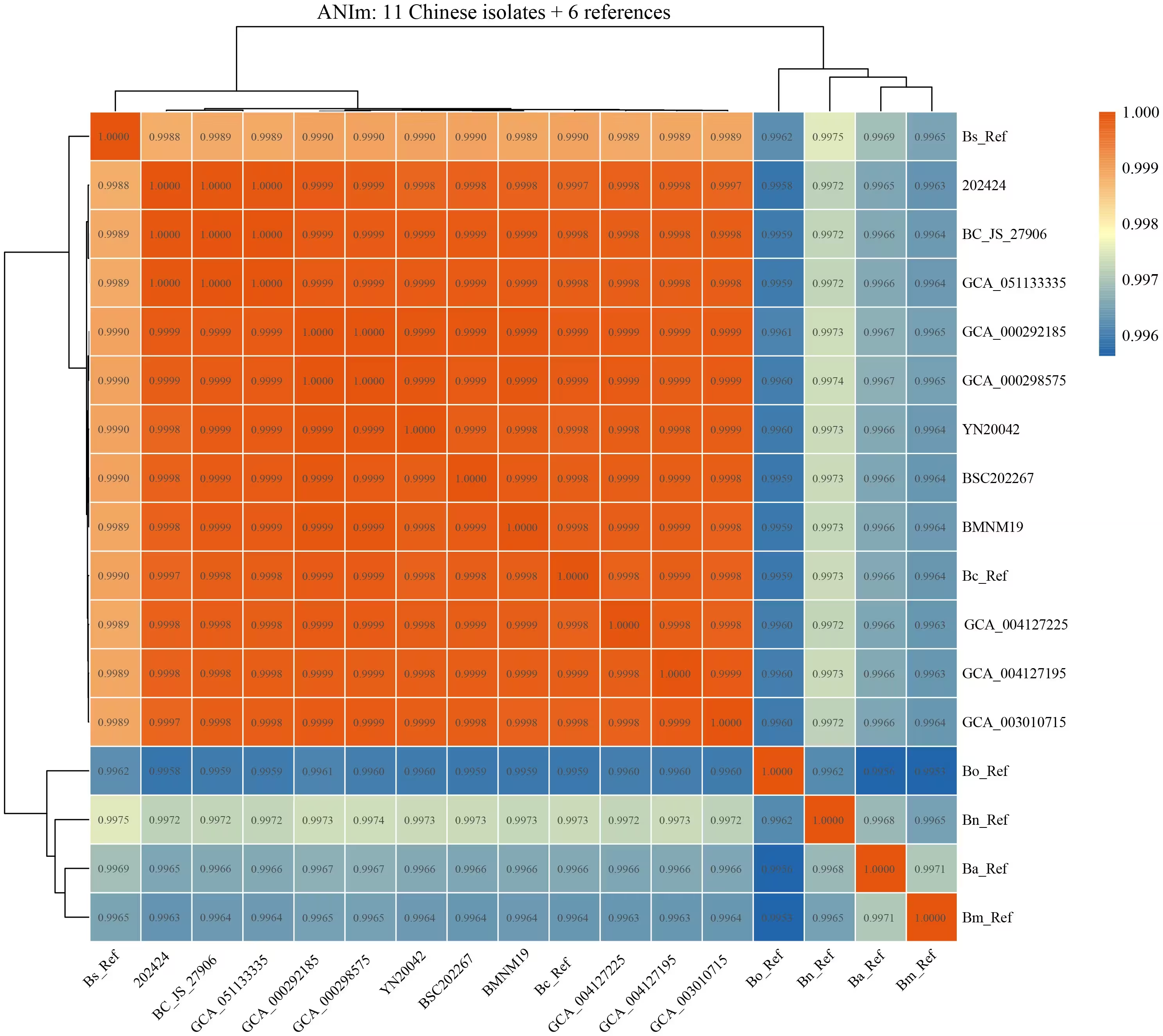
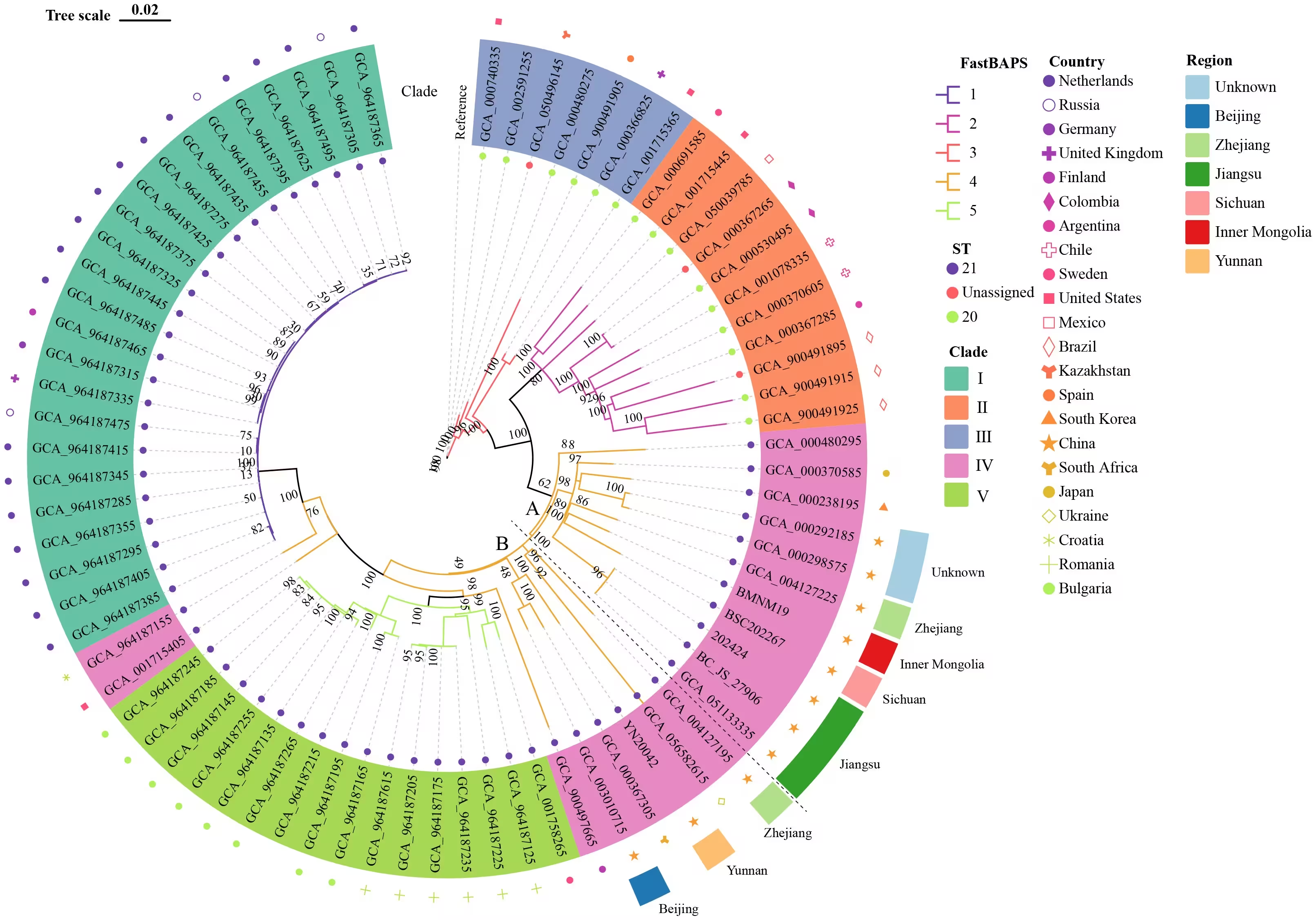
All 11 Chinese isolates belonged to sequence type ST21 and clustered within fastBAPS population 4, indicating a common overarching genetic profile. Despite sharing this broad classification, core-genome analysis exposed a distinct division into two separate phylogenetic subgroups containing both human- and canine-derived strains. Pairwise genetic distances among the Chinese sequences varied from zero to 128 single-nucleotide polymorphisms, demonstrating that the regional strains possess heterogeneous genetic backgrounds.
What do genetic links with neighboring countries reveal?
The geographic comparisons placed several Chinese genomes close to strains recovered in Japan and South Korea, highlighting a broader East Asian phylogenetic context. Within the dataset, three isolates recovered from Jiangsu Province shared identical core-genome profiles with zero single-nucleotide polymorphism differences, pointing toward localized persistence or shared exposure sources.
However, the authors emphasize that these patterns describe genetic relatedness rather than direct transmission links. Because the analyzed genomes derived from opportunistic surveillance rather than systematic population sampling, the data cannot establish definitive infection routes, directionality, or the true national prevalence of the pathogen in China.
Why does subclinical carriage complicate public health control?
The ability of the bacterium to circulate silently in pet dogs without causing obvious clinical illness creates significant hurdles for disease management. As pet ownership expands and cross-regional animal transport increases, undetected infections risk sparking sporadic outbreaks among vulnerable human populations and breeding kennels.
The study authors note several limitations, including the small number of available Chinese genomes, missing clinical metadata, and the reliance on draft genome assemblies that restrict the analysis of accessory virulence genes. Expanding systematic surveillance in veterinary clinics, breeding facilities, and among occupationally exposed workers will remain essential for clarifying the epidemiology of this neglected zoonotic threat.
The research was published in PLOS Neglected Tropical Diseases on November 25, 2026.
This article has been fact checked for accuracy, with information verified against reputable sources. Learn more about us and our editorial process.
Last reviewed on .
Article history
- Latest version
Reference(s)
- Tan, Zhongming., et al. “Genomic diversity and phylogenetic relationships of Brucella canis isolate detected across six provincial-level regions in Mainland China.” PLOS Neglected Tropical Diseases, vol. 20, no. 11, November 25, 2026, pp. e0014816 Public Library of Science (PLoS), doi: 10.1371/journal.pntd.0014816. <https://doi.org/10.1371/journal.pntd.0014816>.
Cite this page:
- Posted by Elizabeth Taylor