Rare Gene Variant Found in Seventy-Nine Thousand People Boosts Leg Muscle Mass
A rare genetic change in the myostatin pathway increases human leg muscle and strength while altering active protein levels, though it also signals potential heart risks.
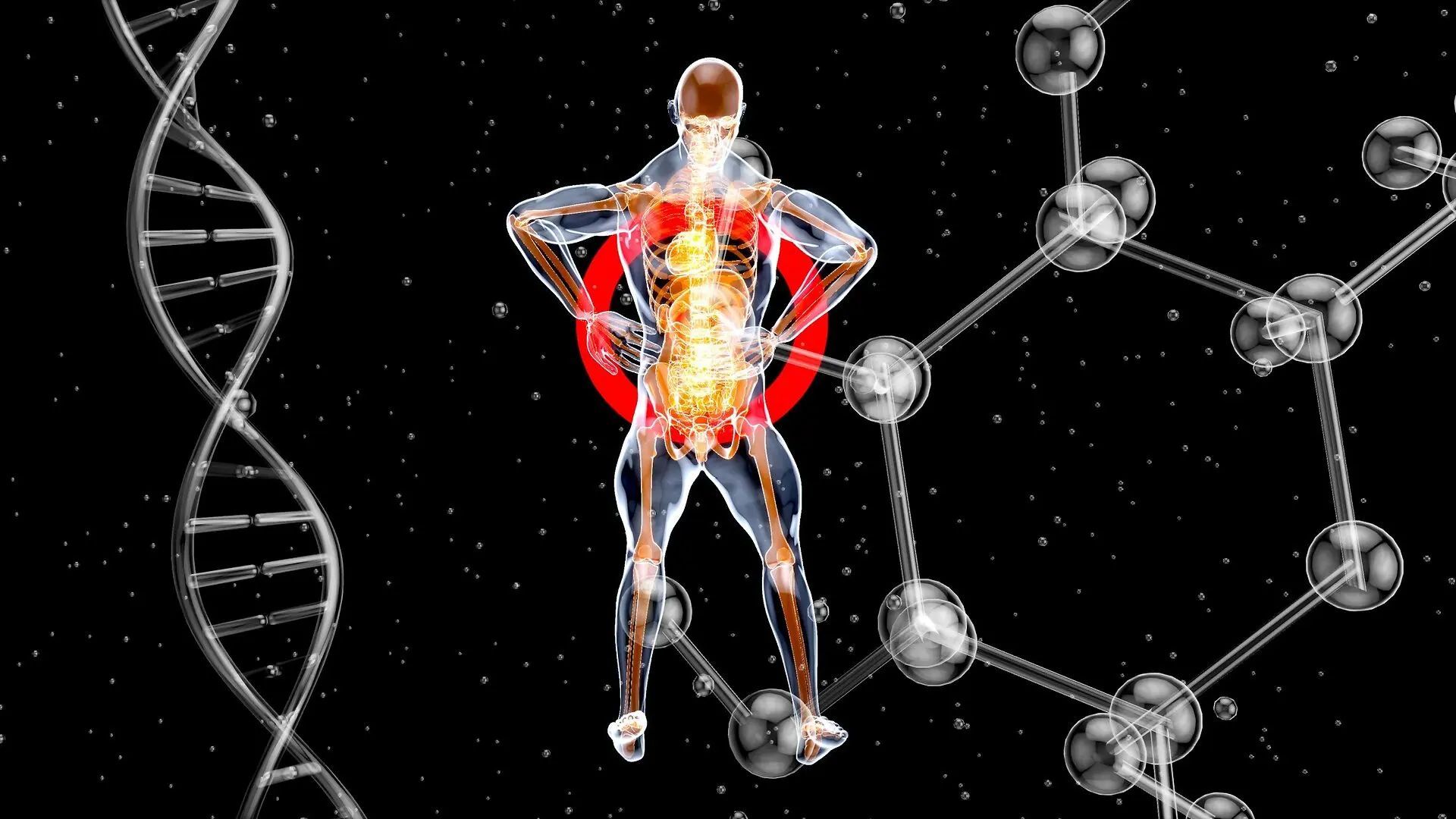
A rare human genetic variation dramatically increases leg muscle mass by altering a natural growth-suppressing protein, pointing to new ways to treat muscle wasting. Researchers discovered that a specific alteration in the MSTN gene, which codes for a muscle growth inhibitor called myostatin, leads to significantly greater lean tissue and strength.
Muscle mass naturally declines as people age and during modern weight loss treatments, creating an urgent medical need for therapies that preserve physical strength. To uncover genetic clues for building and maintaining muscle, an international team led by scientists at deCODE genetics in Iceland analyzed body composition data from about seventy-nine thousand individuals of European ancestry. The comprehensive genome-wide association study published in Nature Communications pinpointed sixty-three distinct genomic regions influencing lean mass.
How Does the Rare Protein Alteration Change Muscle Growth?
Among the discovered genetic regions, a rare missense variant designated p.Ile225Thr stood out for having the largest effect on leg lean mass. Carriers of this specific genetic change showed a marked increase in muscle volume, along with higher levels of serum creatinine, a standard biochemical marker of muscle mass in the blood. Advanced imaging data from thousands of participants confirmed that the variant correlates with greater thigh muscle volume and higher fat-free mass.
Myostatin normally acts as a brake on skeletal muscle development, signaling through specific cellular receptors to prevent excessive tissue growth. Animals engineered without this protein develop extreme muscular hypertrophy, and rare human case studies have previously shown that complete loss of the gene leads to extraordinary muscle development. The newly characterized variant appears to act through a similar loss-of-function mechanism, reducing the biological activity of the myostatin protein.
What Happens to Total Versus Bioactive Protein Levels?
Detailed protein measurements revealed a surprising biochemical twist regarding how the variant functions in the body. Carriers of the genetic alteration actually displayed higher overall amounts of circulating myostatin in their blood plasma, yet the relative abundance of the active form was significantly reduced. The researchers suggest that the amino acid substitution stabilizes the protein complex, preventing normal enzymatic cleavage and keeping the growth factor in a more subdued state.
Beyond massive limbs, the genetic variant conferred several other measurable traits across the study populations. Carriers demonstrated increased handgrip strength and higher birthweights, aligning with animal studies showing enhanced neonatal growth. Furthermore, carriers exhibited reduced body fat mass across multiple body components and a lower risk of primary hypertension, suggesting potential cardiometabolic benefits.
What Are the Hidden Risks of Modulating Growth Inhibitors?
While partial reduction of myostatin activity appears beneficial for physical strength and metabolism, the data also highlighted potential medical trade-offs. The authors found suggestive statistical associations between the variant and an increased risk of non-ischemic heart failure and dilated cardiomyopathy. These cardiovascular findings indicate that future pharmaceutical interventions targeting the myostatin pathway must carefully monitor heart health alongside muscle gains.
The study provides foundational genetic evidence connecting human muscle biology to the broader regulatory network governing tissue growth. As medical researchers continue developing treatments to combat age-related muscle loss and frailty, understanding these natural human variants offers a clearer roadmap for safe therapeutic design.
The research was published in Nature communications on November 20, 2026.
This article has been fact checked for accuracy, with information verified against reputable sources. Learn more about us and our editorial process.
Last reviewed on .
Article history
- Latest version
Reference(s)
- Larusdottir, Adalheidur E.., et al. “Genome-wide association study identifies a functional myostatin variant increasing lean mass in humans.” Nature Communications, vol. 17, no. 1, November 20, 2026 Springer Science and Business Media LLC, doi: 10.1038/s41467-026-77766-9. <https://doi.org/10.1038/s41467-026-77766-9>.
Cite this page:
- Posted by Faisal Qureshi