Donghua University Researchers Build Carbon Nanoreactors That Turn Plastic Bottle Waste Into Valuable Chemicals Without Metal Leaching
Hollow carbon capsules protect active iron cores while generating multiple reactive oxygen species to upgrade plastic breakdown products.
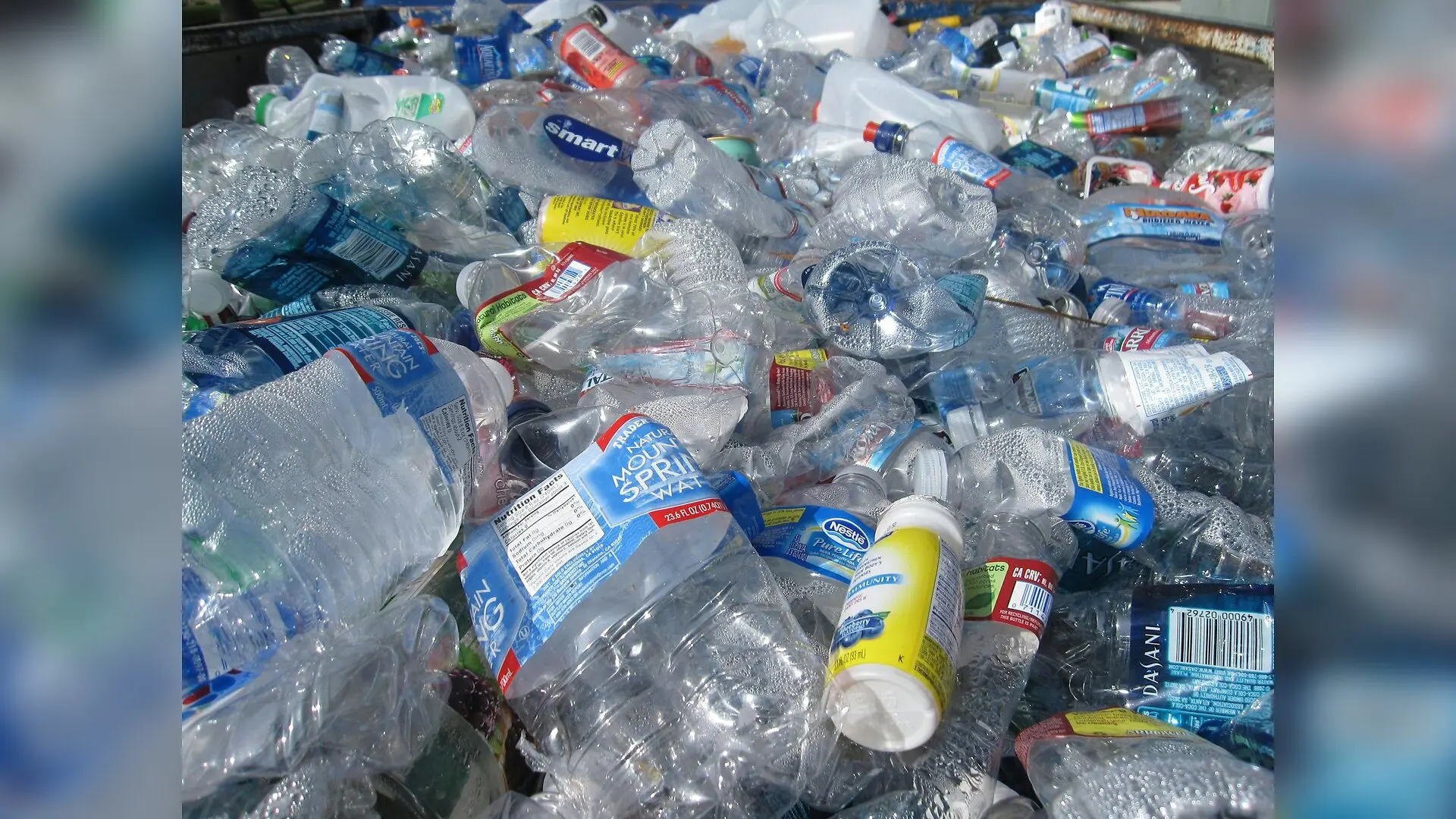
Researchers built microscopic hollow reactors that transform plastic waste bottles into useful chemicals without shedding toxic metals, overcoming a major bottleneck in chemical recycling.
Plastic pollution, particularly from polyethylene terephthalate, which is a common polymer used in textiles and packaging, clogs wastewater systems and damages ecosystems. Traditional mechanical recycling melts and regrinds these materials, which shortens polymer chains and degrades their structural integrity over time. Chemical recycling offers a better alternative by breaking the plastic down into its foundational monomers, such as terephthalate and ethylene glycol. However, the ethylene glycol portion is often overlooked or downcycled, leading to a loss of valuable carbon resources.
How Hollow Carbon Nanoreactors Stop Metal Leaching
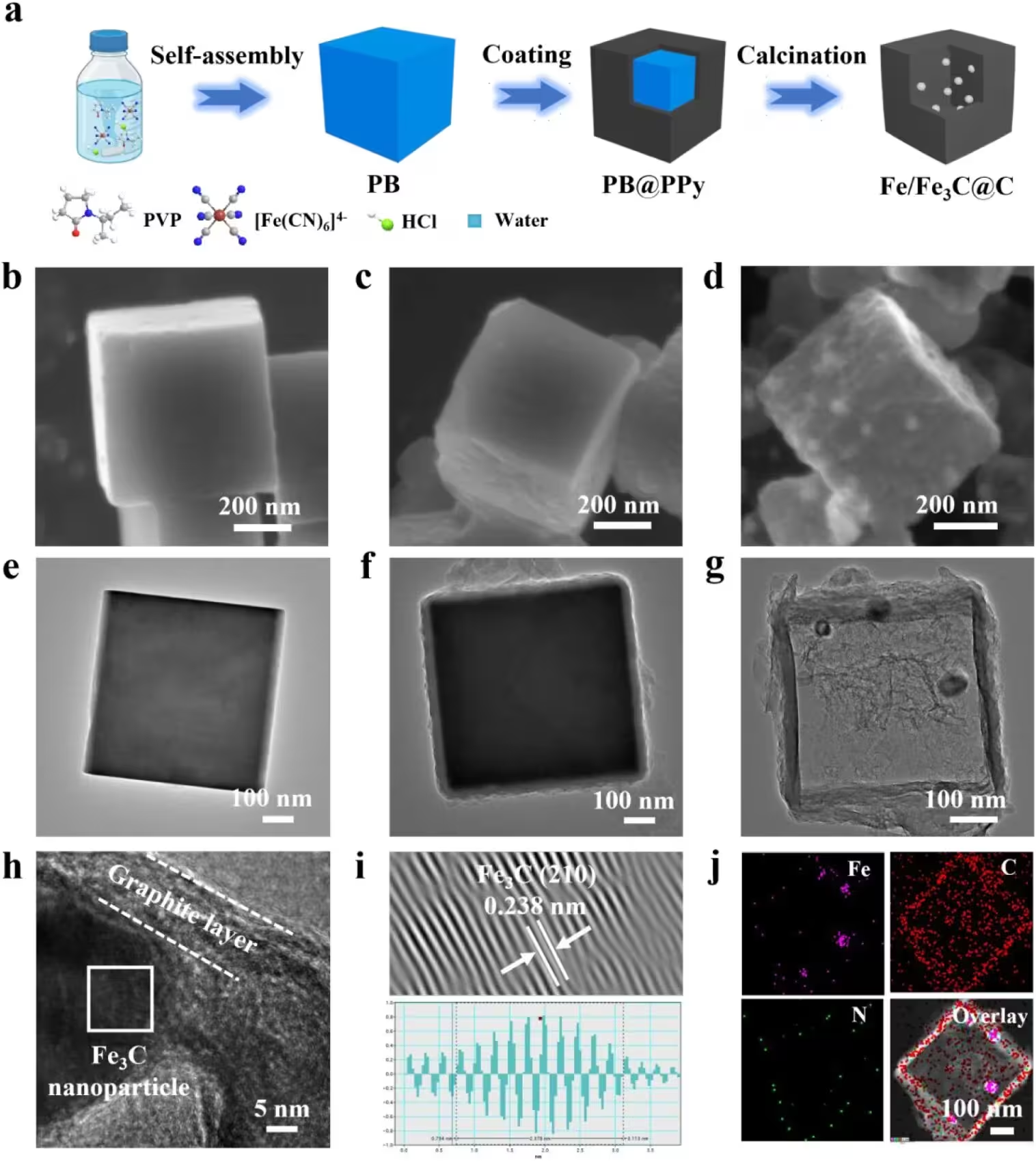
To solve these efficiency and stability hurdles, lead author Luyao Zhang and colleagues at Donghua University published in Polymer Science & Technology detailing the creation of Fe/Fe3C@C yolk-shell spatial confinement nanoreactors. These structures consist of an iron and iron carbide core encapsulated inside a protective, nitrogen-doped graphitic carbon shell. This outer shell acts as a physical barrier that isolates the active core from the surrounding wastewater solution, preventing iron leaching that typically deactivates traditional catalysts and creates secondary metal sludge pollution.
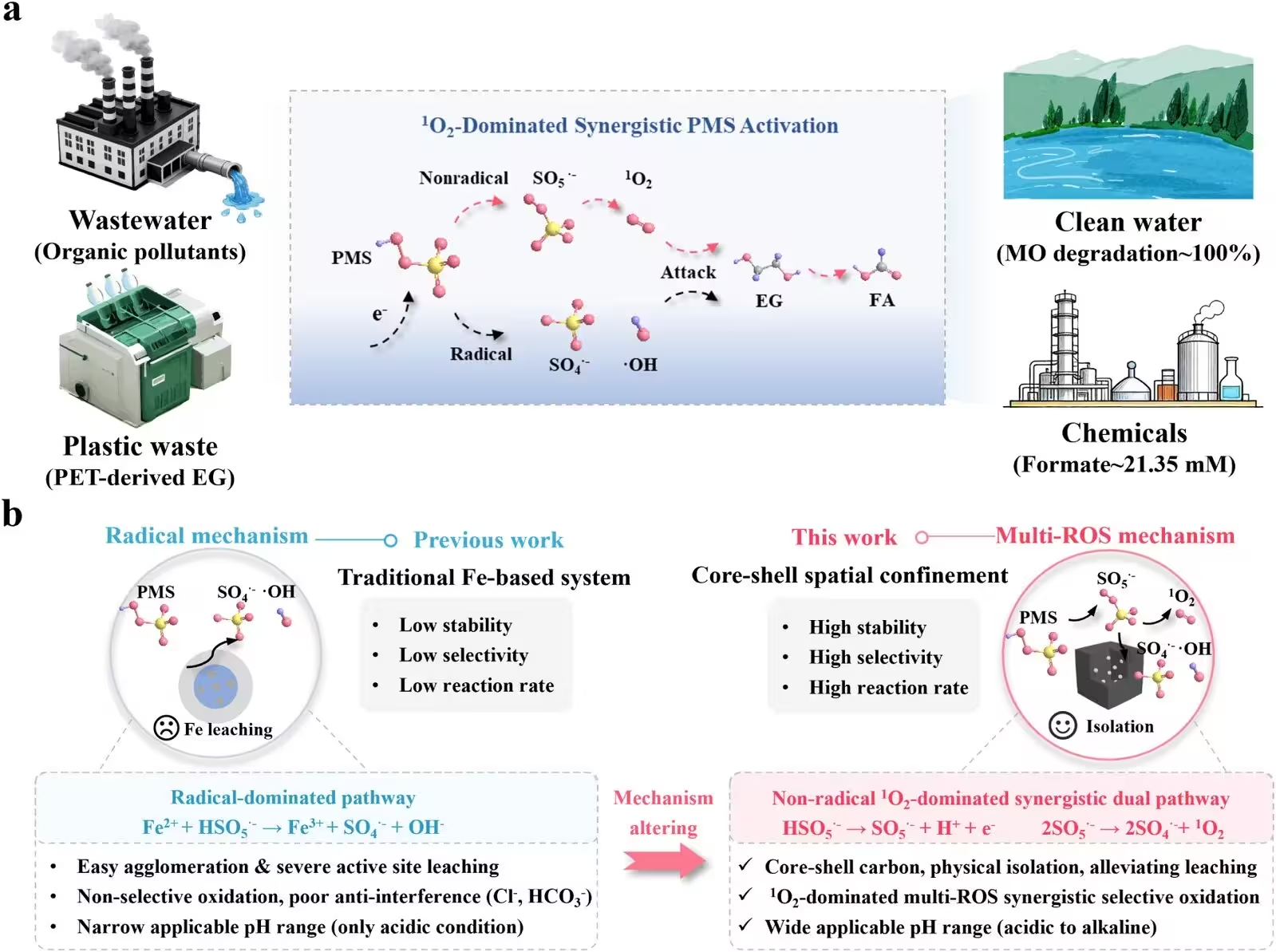
During operation, the encapsulated core efficiently activates peroxymonosulfate, a strong oxidizing agent used in advanced water treatment. Instead of relying on a single reactive oxygen species, the nanoreactor generates multiple active oxidants simultaneously, including singlet oxygen, sulfate radicals, and hydroxyl radicals. The confined nanoscale space inside the shell concentrates these reactants and active species, which shortens their diffusion distance and greatly increases their interaction probability.
What Happens When Plastic Waste Meets Advanced Oxidation
When tested on organic pollutants like methyl orange, the catalyst achieved a degradation efficiency of about 95% within 20 minutes. The system also maintained strong activity across a broad acidity range from pH 1 to 9, outperforming conventional Fenton catalysts that only function in narrow acidic conditions. The team integrated this catalytic oxidation with an initial alkaline hydrolysis step to process real plastic textile fibers.
First, 5 g of waste PET fiber powder was hydrolyzed in a potassium hydroxide solution at 80 degrees Celsius for 40 hours. This step cleanly separated the mixture into solid terephthalate and a liquid ethylene glycol solution. After acid neutralization, the team recovered 4.132 g of high-purity terephthalate with a yield of 94.5% to serve as an independent chemical feedstock.
How Ethylene Glycol Transforms Into Formate
The remaining liquid containing ethylene glycol was then treated with the nanoreactor and oxidant to test selective chemical upgrading. Under mild conditions, the system produced 21.35 mM of formate within 6 hours, yielding 5.5 times more product than unsupported iron systems. Spectroscopic tracking confirmed that the singlet oxygen species preferentially attack the ester bonds within the plastic macromolecules, driving the selective cleavage needed for high-value conversion.
Despite these high yields, the authors noted that productivity experienced mass transfer plateaus between 3 and 5 hours of reaction time. The system also requires careful control of coating thickness during manufacturing, as excessive carbon layers can cover active sites and hinder reactant transfer. Future work will focus on optimizing these transfer rates to make large-scale wastewater treatment and plastic valorization commercially viable.
The research was published in Polymer science & technology (Washington, D.C.) on July 27, 2026.
This article has been fact checked for accuracy, with information verified against reputable sources. Learn more about us and our editorial process.
Last reviewed on .
Article history
- Latest version
Reference(s)
- Zhang, Luyao., et al. “Spatial Confinement Nanoreactors Enable Synergistic Catalysis for Polyethylene Terephthalate-Derived Ethylene Glycol Oxidation.” Polymer Science & Technology, vol. 2, no. 11, July 27, 2026, pp. 902-913. American Chemical Society (ACS), doi: 10.1021/polymscitech.6c00076. <https://doi.org/10.1021/polymscitech.6c00076>.
Cite this page:
- Posted by Raj Joshi