Traditional Herbal Formula Reduces Liver Fat And Inflammation In Rats By Blocking Key Signaling Pathway
Researchers found that a classical Chinese medicine decoction improves lipid metabolism and lowers inflammatory cytokines by targeting the SPHK-S1P-S1PR axis.
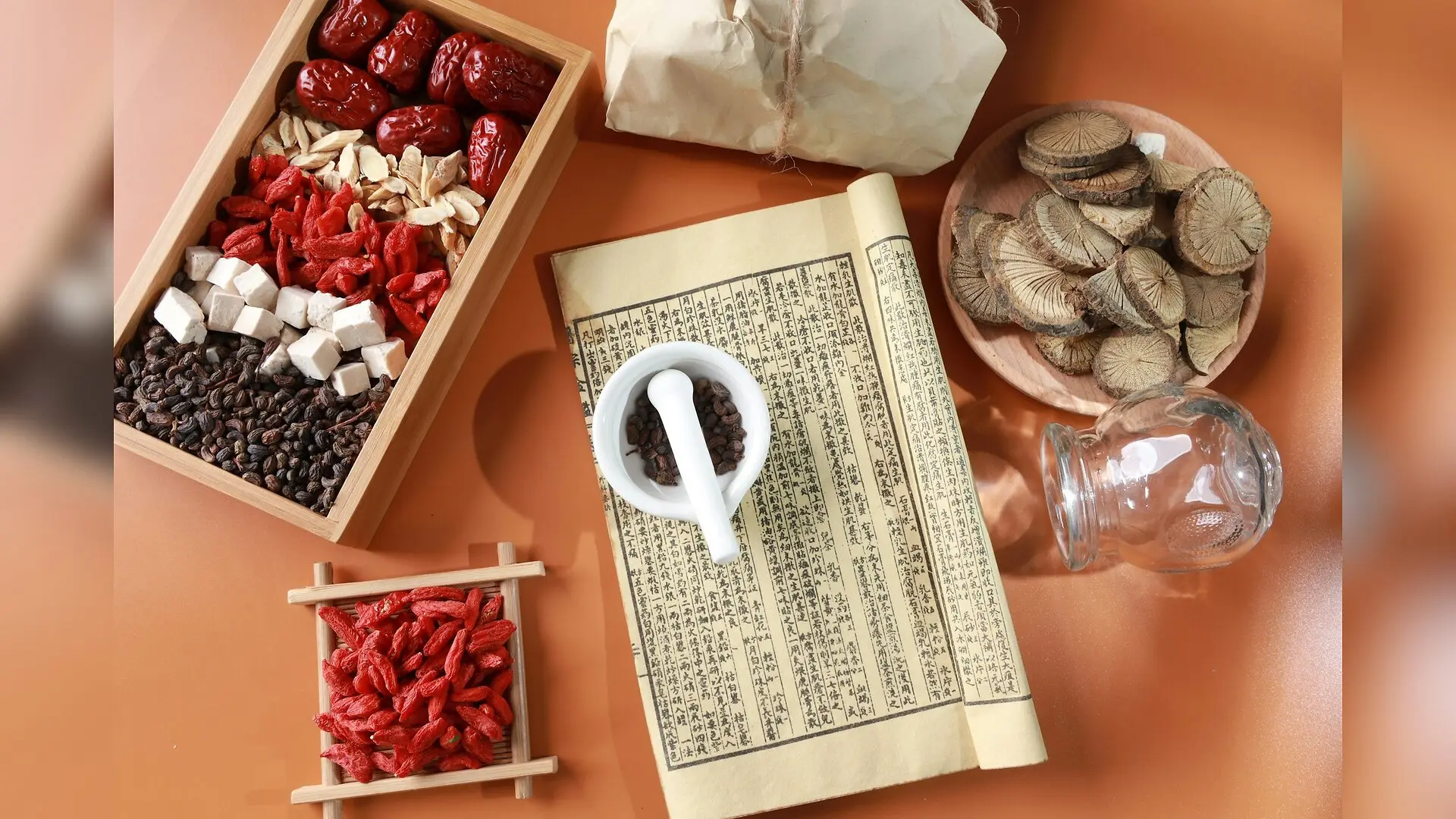
Researchers at the Yunnan University of Chinese Medicine found that a traditional herbal formula reduced liver fat accumulation and inflammation in 60 rats and human liver cells by blocking a specific signaling pathway.
The study investigates metabolic associated fatty liver disease, a common chronic liver condition characterized by excess fat buildup, insulin resistance, and chronic inflammation. Specifically, the team focused on the SPHK-S1P-S1PR signaling axis, a biochemical pathway involving lipid molecules that normally regulate cell survival and immune responses. When this pathway becomes hyperactive, it triggers the release of damaging inflammatory proteins that worsen liver injury and scarring.
For years, medical management for the condition has relied primarily on lifestyle changes such as diet and exercise, alongside standard medications that often show variable effectiveness. Traditional Chinese medicine formulas have long been used for liver disorders, but their exact molecular mechanisms remained poorly understood. The new study, published in the International Journal of General Medicine, aimed to test whether the classical formula known as Gexia Zhuyu Decoction could relieve liver damage by calming this specific inflammatory pathway.
How the Herbal Formula Restored Healthy Liver Function
To test the effects, Xuan Ma and colleagues established an animal model by feeding rats a high-fat-sugar diet for 12 weeks. The animals developed pronounced hepatic steatosis, which means abnormal fat accumulation in the liver, alongside elevated blood lipid levels and markers of liver injury. Treatment with the herbal decoction significantly reversed these changes, lowering serum alanine aminotransferase and aspartate aminotransferase levels while restoring normal lipid profiles.
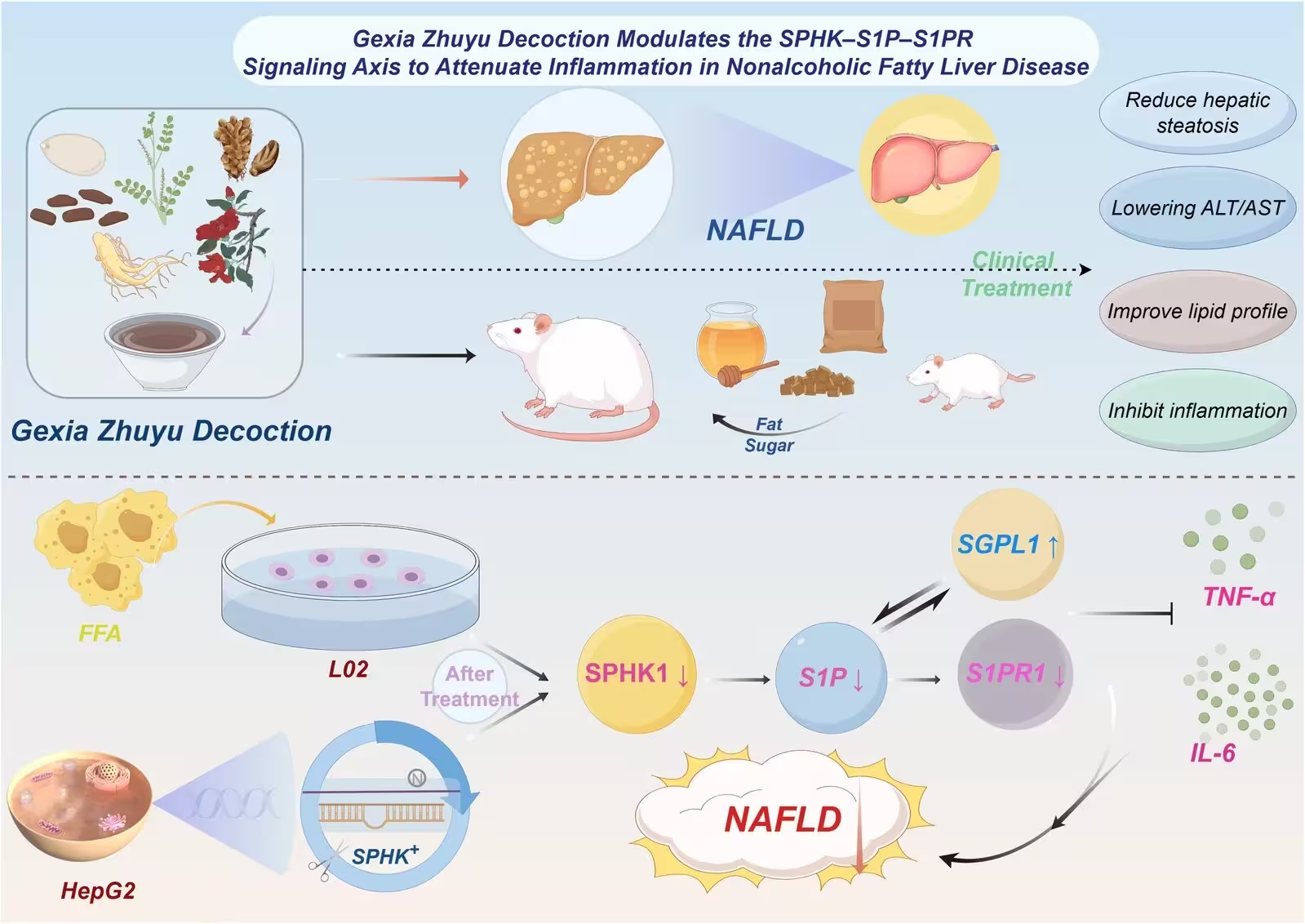
Laboratory analyses of the treated liver tissues revealed that the formula successfully suppressed the overactive proteins involved in the signaling pathway. Specifically, the treatment downregulated SPHK1 and S1PR1 protein expression, which are key drivers of the inflammatory cascade. The researchers noted that these physical improvements matched the therapeutic outcomes seen in the positive control group treated with aspirin.
Cellular Tests Confirm Reduced Fat Deposition and Lower Inflammation
To examine the cellular mechanisms more closely, the team cultured human normal hepatocytes and exposed them to free fatty acids to simulate fatty liver conditions in vitro. Treating these cells with serum containing the herbal decoction led to a marked decrease in intracellular lipid droplets, as confirmed by Oil Red O staining. Furthermore, cellular triglyceride and total cholesterol concentrations dropped significantly following the intervention.
Real-time quantitative polymerase chain reaction tests showed that the treatment also suppressed gene expression of major inflammatory cytokines, including TNF-alpha and IL-6. These findings indicate that the medicated serum protects liver cells by simultaneously curbing early lipid deposition and cutting off sustained inflammatory signals.
Limitations and Questions Regarding Direct Molecular Targets
While the results show clear protective effects, the authors noted important boundaries to their conclusions. The current experiments cannot definitively prove whether the herbal decoction interacts directly with the SPHK or S1PR proteins, or if the pathway suppression is an indirect secondary result of the formula’s broader antioxidant and anti-inflammatory properties.
Additionally, the animal experiments relied on a preventive dosing strategy, meaning the treatment was administered alongside the high-fat diet rather than after liver injury had fully developed. The team stated that future investigations will test therapeutic dosing in animals with established lesions to better reflect clinical treatment timelines.
The research was published in International journal of general medicine on November 22, 2026.
This article has been fact checked for accuracy, with information verified against reputable sources. Learn more about us and our editorial process.
Last reviewed on .
Article history
- Latest version
Reference(s)
- Ma, Xuan., et al. “Gexia Zhuyu Decoction Exerts Protective Effects Against MAFLD by Modulating the SPHK–S1P–S1PR Signaling Pathway.” International Journal of General Medicine, vol. Volume 19, November 1, 2026, pp. 1-24. Informa UK Limited, doi: 10.2147/IJGM.S641867. <https://doi.org/10.2147/IJGM.S641867>.
Cite this page:
- Posted by William Moore