Researchers Found Microplastics and Chemical Pollutants Accelerate Liver Disease, but Real-World Multi-Pollutant Exposures Remain Underexplored
A comprehensive review links microplastics, heavy metals, air pollution, and physical stressors to the rising global prevalence of chronic liver disease.
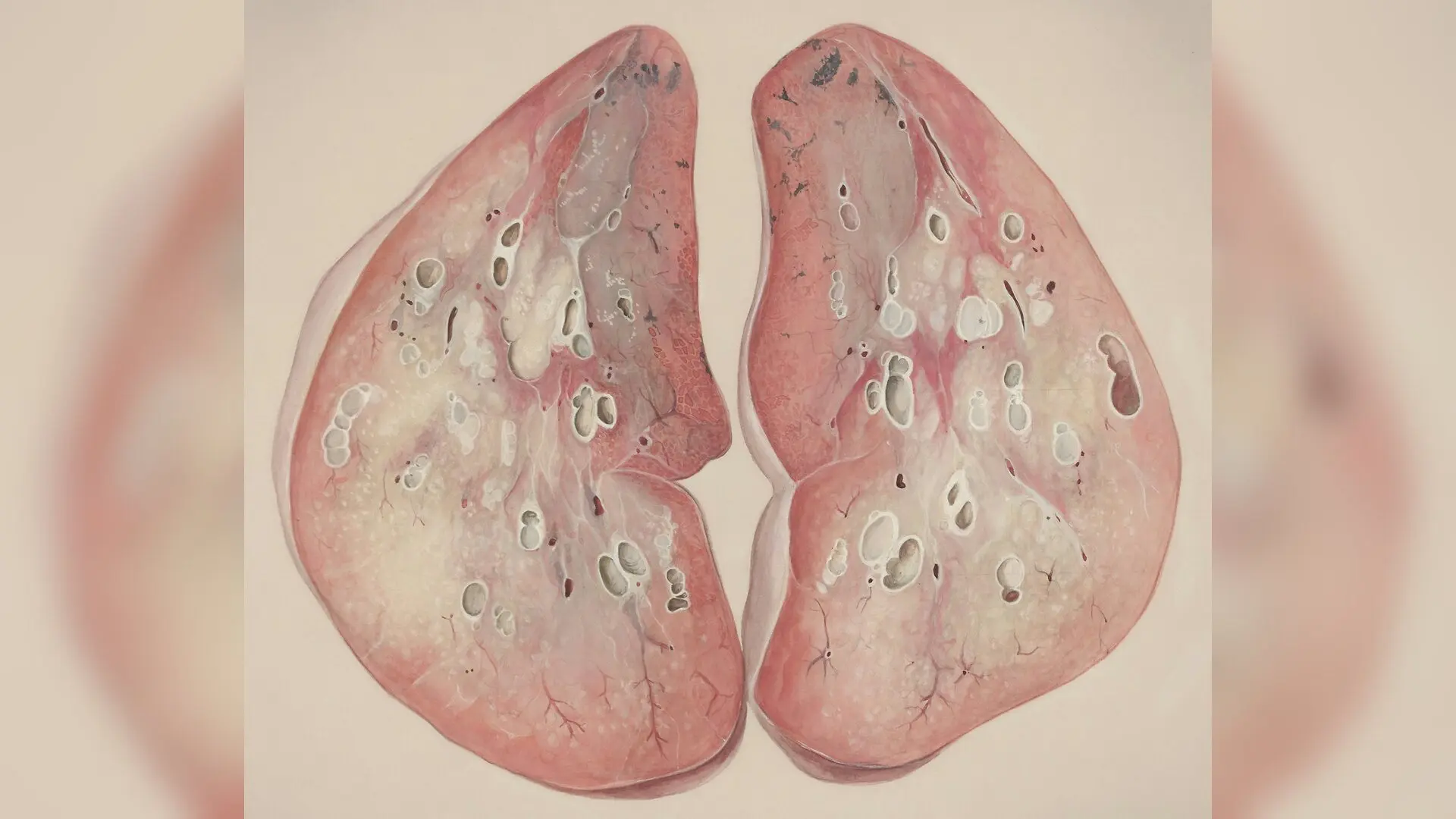
Researchers analyzed four categories of environmental exposures affecting metabolic dysfunction-associated steatotic liver disease across global populations, highlighting how external stressors accelerate hepatic lipid accumulation. These findings provide a new framework for understanding why liver disease rates continue to climb independently of traditional dietary and genetic factors.
Plastic Particles and Chemical Toxins Drive Hepatic Lipid Accumulation
Micro- and nanoplastics, collectively termed MNPs, enter the human body through ingestion or inhalation and accumulate directly within hepatic tissue. Human biomonitoring studies, as published in Frontiers in Public Health, confirm that these microscopic debris items are present in excised human liver specimens. High circulating concentrations of placental plastics show positive associations with elevated fetal serum liver enzymes and increased hepatic steatosis diagnosed through imaging. Daily consumption of bottled water serves as an unconscious source of nanoplastic exposure. Analysis of data from 2,577 participants in the National Health and Nutrition Examination Survey shows that a higher daily intake of bottled water is significantly associated with an elevated hepatic steatosis index compared to lower intake levels.
Laboratory assays confirm that MNPs contribute to disease progression through multiple interconnected mechanisms, including oxidative injury, inflammatory activation, and gut microbial dysbiosis. These particles promote hepatic lipid accumulation by upregulating lipid uptake and synthesis genes such as Fatp2 and FASN. In high-fat diet-fed mice, chronic nanoplastic exposure not only exacerbated lipid accumulation but also activated Hedgehog signaling in hepatic stellate cells to promote liver fibrosis. Plastic particulates act as active propellers of liver injury rather than passive bystanders in the development of metabolic liver conditions.
Heavy Metals and Synthetic Compounds Alter Liver Metabolism
Chemical pollutants encompass a diverse range of synthetic and natural compounds that resist environmental degradation and accumulate within fatty tissues or bind directly to cellular proteins. Heavy metals like cadmium and lead enter the body via industrial operations, polluted air, water, and dietary intake. Cadmium exposure promotes lipogenesis and inhibits lipid catabolism through specific transcription factor pathways while also driving the transition from steatosis to more severe inflammation through nuclear factor activation. Per- and polyfluoroalkyl substances, widely applied in commercial sectors, show consistent links to increased disease risk and hepatic fibrosis across populations of diverse ages.
Persistent organic pollutants such as polychlorinated biphenyls and polycyclic aromatic compounds further disrupt hepatic energy metabolism by reprogramming substrate utilization. In a study of 1,923 participants, researchers identified a significantly positive correlation between polychlorinated biphenyl exposure and liver disease risk. Polycyclic aromatic hydrocarbons, generated primarily by incomplete combustion from motor vehicle exhaust and coal burning, correlate closely with increased disease incidence and elevated triglyceride levels. Representative compounds like benzo[a]pyrene drive pathology through dose-dependent dysregulation of liver glycerolipid and fatty acid metabolism, leading to membrane injury and signal system disturbance.
Air Pollution and Physical Stressors Accelerate Disease Progression
Airborne contaminants, including particulate matter and gaseous pollutants, add a significant layer of metabolic risk to exposed populations. Long-term exposure to fine particulate matter and nitrogen dioxide increases disease risk, with geographic region, smoking, and fasting glucose levels influencing the overall impact. Animal studies demonstrate that fine particulate matter accelerates pathology through mitochondrial reactive oxygen species-dependent hepatocyte pyroptosis and the suppression of antioxidant responses. These molecular alterations further aggravate insulin resistance and systemic dyslipidemia.
Physical environmental stressors such as extreme heat, light pollution, and noise stress are pervasive in modern urban settings. Prolonged occupational heat exposure combined with dust amplifies risk, while experimental models show that combined heat and gaseous pollutant exposure aggravates lipid peroxidation and gut barrier disruption. Constant light exposure in rat models exacerbates steatohepatitis through sphingolipid-mediated hepatocyte apoptosis and gut microbiota dysbiosis. Similarly, long-term road traffic noise correlates positively with hepatic fat content independently of air pollution, establishing noise as an active metabolic stressor.
Current Methodological Limitations and Future Research Directions
The authors note that several limitations remain in the current literature regarding environmental toxicology and liver health. Most available studies have focused on single exposures, whereas humans in the real world are potentially exposed to multiple pollutants simultaneously. The widespread reliance on cross-sectional data restricts causal inference, and basic studies typically rely on animal models under high-dose and short-term exposure that may not reflect chronic, low-dose human exposure. Future investigations incorporating multiomics analyses and spatiotemporal exposure assessments will help clarify whether environmental factors act as independent drivers or co-contributors to metabolic liver disease.
The research was published in Frontiers in public health on November 28, 2026.
This article has been fact checked for accuracy, with information verified against reputable sources. Learn more about us and our editorial process.
Last reviewed on .
Article history
- Latest version
Cite this page:
- Posted by William Moore