Soil DNA Plant Tracking Hitting Roadblocks Due to Massive Global Database Gaps
A new global review reveals why environmental DNA methods are struggling to identify plant species in diverse regions.

Soil environmental DNA metabarcoding, a method that extracts genetic material left behind by plants in soil to map local species without disturbing them, has revealed a major disconnect between the genetic markers scientists rely on and the reference libraries available to identify them. Led by Inga Hiiesalu from the University of Tartu and Ellen Natasha-Magano Nako from the University of Namibia, a global review published in Ecology and Evolution analyzed 25 scientific studies published between 2012 and 2025 to understand why this promising conservation tool has been slower to catch on than expected.
Why Do Scientists Use Short Genetic Fragments Instead of Better Markers?
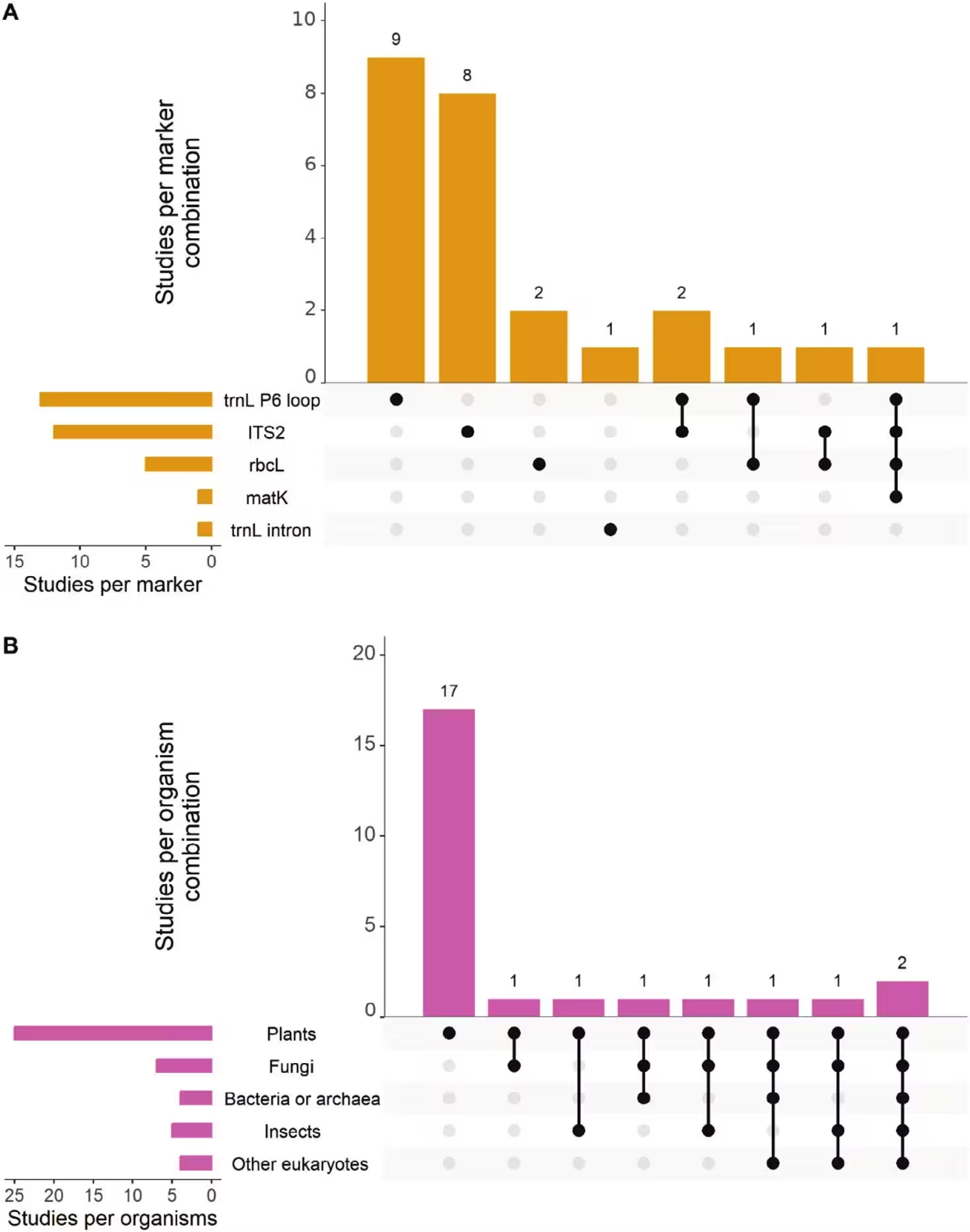
When researchers first championed plant soil environmental DNA monitoring over a decade ago, they hoped standard plant barcode regions like rbcL and the nuclear region known as internal transcribed spacer 2 would become the universal choice. These markers offer high taxonomic resolution, meaning they can typically pinpoint species identity. However, DNA in soil is frequently degraded into tiny, broken fragments by microbes, moisture, and chemical processes.
To overcome this, most scientists switched to using a very short segment of chloroplast DNA called the trnL P6 loop. This marker typically yields fragments ranging from ten to about one hundred and forty base pairs in length, making it exceptionally good at amplifying from damaged soil samples. The catch is that its low sequence variability often leaves identifications stuck at the genus or family level rather than revealing the exact species.
Where Are the Biggest Blind Spots in Global Reference Databases?
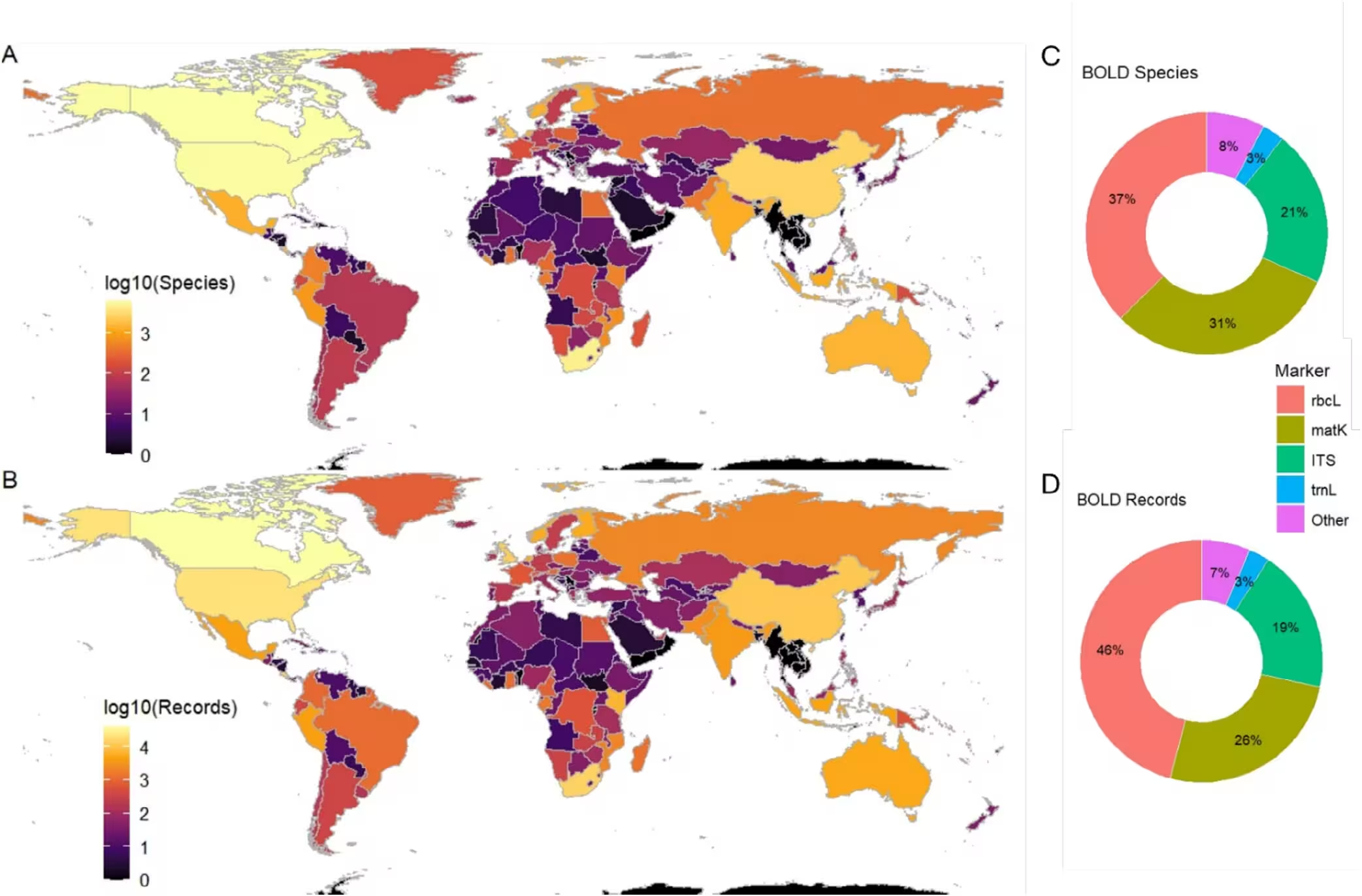
The review evaluated how plant barcode records are distributed within the Barcode of Life Data System, a massive repository for genetic reference data. The authors found severe geographical and technical imbalances. Research effort is heavily concentrated in Europe, with 12 of the 25 studies taking place there, while tropical regions and entire continents remain largely unstudied. For instance, Africa was represented in only one global survey, leaving massive biodiverse regions missing from both field studies and genetic databases.
Furthermore, a striking mismatch exists between the markers scientists use and the sequences stored in public databases. Although the short trnL marker dominates environmental soil studies because it recovers degraded DNA easily, it remains poorly represented in database archives compared to standard barcodes like rbcL and matK. As a result, even when sequencing technology functions perfectly, computer pipelines often fail to identify plant species because reference sequences do not exist.
What Does This Mean for Biodiversity Conservation in Africa and Beyond?
The consequences of incomplete reference libraries hit hardest in regions with high plant endemism and diverse floras that lack comprehensive digital archives. In South Africa, for example, roughly only sixteen percent of the national flora is currently represented in barcode databases, and other African nations face even larger data gaps. When local plant sequences are missing from repositories, environmental DNA surveys lose much of their practical value.
The authors emphasize that these gaps do not mean environmental DNA tracking fails in tropical and biodiverse ecosystems. Instead, targeted regional projects, such as curated libraries built for specific savanna or desert environments, demonstrate that local database expansion can dramatically improve identification success. Moving forward, the research team suggests that investing in regionally representative reference libraries and local research capacity will yield far greater improvements in biodiversity monitoring than waiting for sequencing technology alone to advance.
The research was published in Ecology and evolution on November 23, 2026.
This article has been fact checked for accuracy, with information verified against reputable sources. Learn more about us and our editorial process.
Last reviewed on .
Article history
- Latest version
Reference(s)
- Hiiesalu, Inga., et al. “Soil
eDNA Metabarcoding of Vascular Plants: Global Patterns in Marker Use and Reference Database Coverage.” Ecology and Evolution, vol. 16, no. 11, November 23, 2026 Wiley, doi: 10.1002/ece3.74740. <https://doi.org/10.1002/ece3.74740>.
Cite this page:
- Posted by Linda Wilson