Empathy With Nature Drives Gen Z Eco-Friendly Choices at Ancient Heritage Sites
A study of young tourists visiting a World Heritage tea forest in China reveals how emotional bonds and personal responsibility shape sustainable travel behavior.
When young adults visit ancient cultural landscapes, their emotional connection to the natural world significantly shapes whether they choose to protect the environment. A study of 519 Generation Z tourists visiting the ancient tea forests of Jingmai Mountain in Yunnan Province, China, reveals that empathy with nature drives pro-environmental actions through a chain of psychological processes.
The research, published in PLOS One, surveyed travelers aged 18 to 29 years old between May and July 2024. The authors investigated how emotional resonance with nature connects to sustainable behaviors like reducing litter, complying with conservation rules, and avoiding environmental disturbance.
How Emotional Empathy Links to Sustainable Traveler Choices
Empathy with nature involves an other-oriented emotional response where individuals perceive and resonate with the vulnerability and well-being of the natural world. Unlike simple cognitive awareness of ecological issues, feeling this emotional bond places nature within a person’s moral sphere.
The researchers found that empathy with nature was directly and positively associated with self-reported pro-environmental behavior. This direct link shows that travelers who emotionally identify with ecological systems are more inclined to adopt responsible habits during their trips.
What Role Do Connectedness and Place Identity Play in Tourist Actions?
Beyond direct effects, the study evaluated two psychological mediators known as connectedness to nature and place identity. Connectedness to nature captures a broad sense of psychological closeness to the natural world, while place identity reflects how deeply a specific location becomes integrated into an individual’s sense of self.
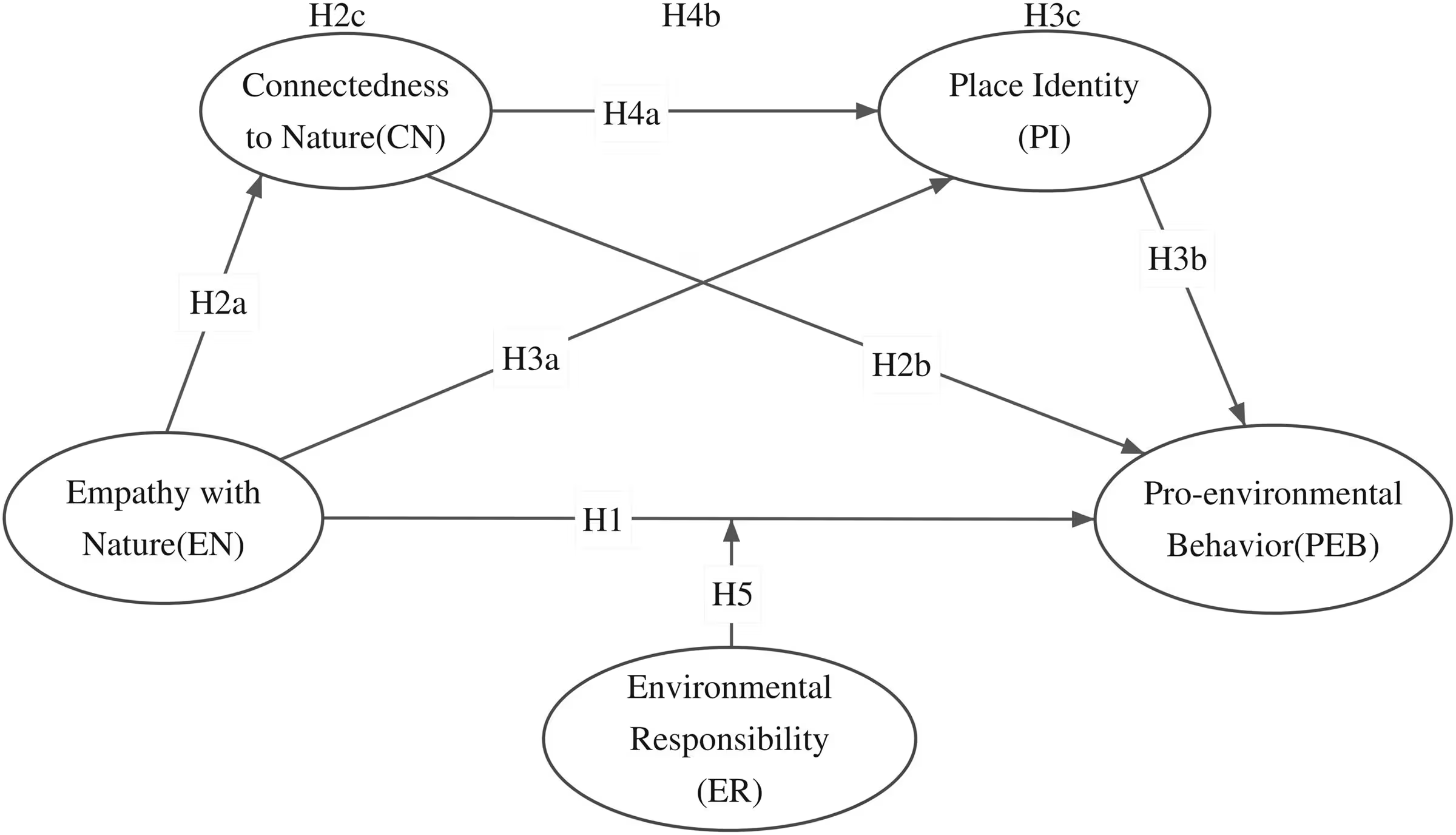
Statistical modeling demonstrated that empathy with nature influences behavior through both parallel and sequential pathways. Travelers first develop a broad ecological connection, which then anchors into a specific destination identity. This sequential chain indicates that broad environmental concern translates into localized conservation actions when visitors view a heritage landscape as part of who they are.
Does Environmental Responsibility Strengthen the Behavioral Response?
Even with strong emotional bonds, sustainable intentions do not automatically convert into physical actions. To test this boundary condition, the researchers analyzed environmental responsibility, which measures an individual’s sense of personal accountability for ecological consequences.
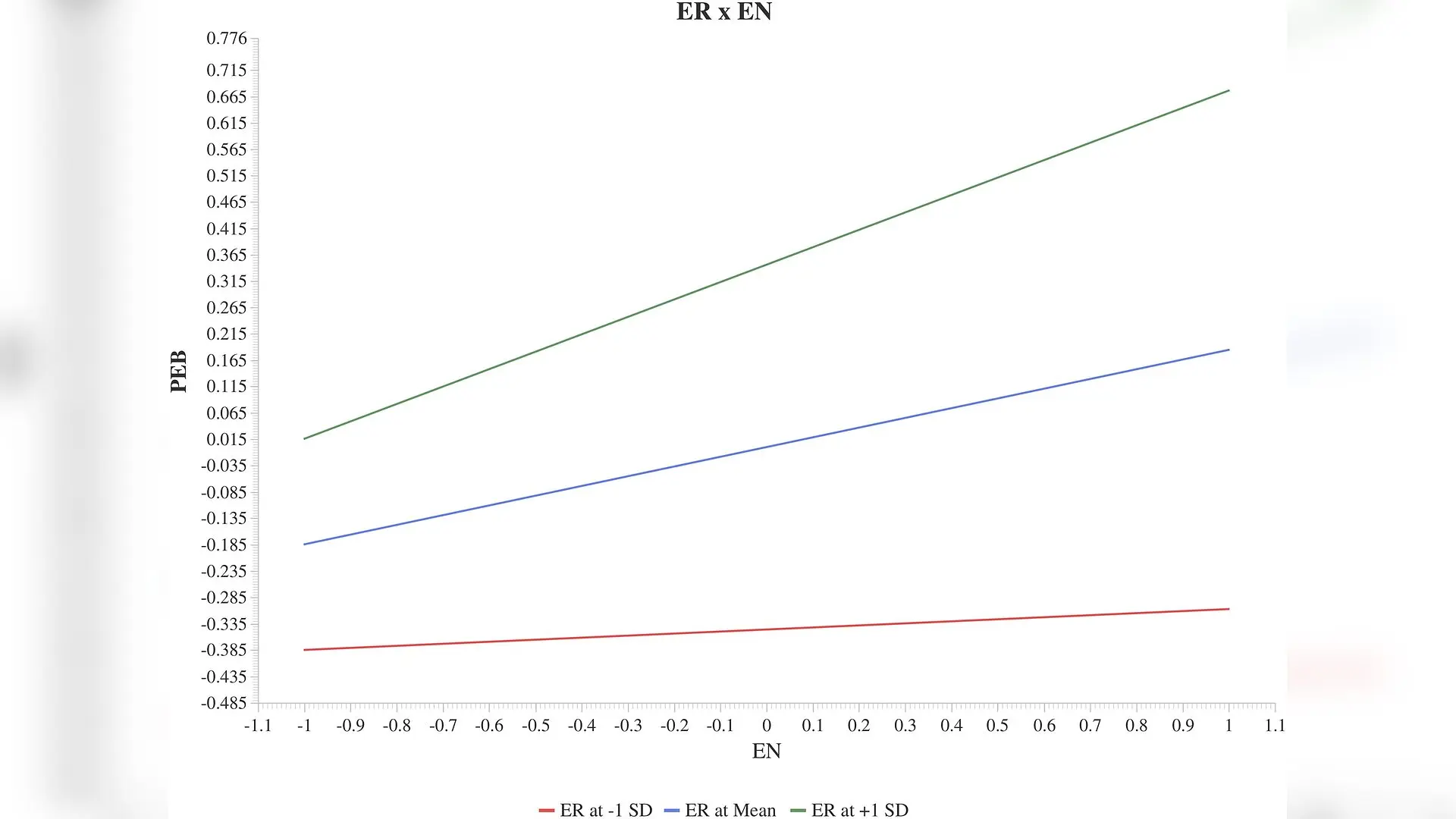
The analysis showed that environmental responsibility significantly moderated the relationship, strengthening the positive association between empathy and sustainable behavior. When tourists possess a higher sense of personal obligation, their emotional resonance with nature is much more likely to manifest as concrete conservation practices.
What Are the Limits of These Findings for Heritage Management?
Because the investigation relied on cross-sectional survey data collected at a single point in time, the authors caution that the results cannot establish definitive causal relationships or temporal ordering. Furthermore, the sample focused exclusively on Generation Z visitors at a single World Heritage destination, meaning the patterns cannot be generalized across other age cohorts or different types of tourist attractions without additional comparative research.
The research was published in PLOS One on November 13, 2026.
This article has been fact checked for accuracy, with information verified against reputable sources. Learn more about us and our editorial process.
Last reviewed on .
Article history
- Latest version
Reference(s)
- Long, Hua., et al. “Empathy with nature and pro-environmental behavior among Generation Z tourists in Yunnan Province, China.” PLOS One, vol. 21, no. 11, November 13, 2026, pp. e0362256 Public Library of Science (PLoS), doi: 10.1371/journal.pone.0362256. <https://doi.org/10.1371/journal.pone.0362256>.
Cite this page:
- Posted by Omar Mirza