New Study Reveals The Real Reason Why Chinese Characters Are Square
A new historical study reveals that the square shape of Chinese characters evolved gradually due to changes in writing materials, techniques, and language.
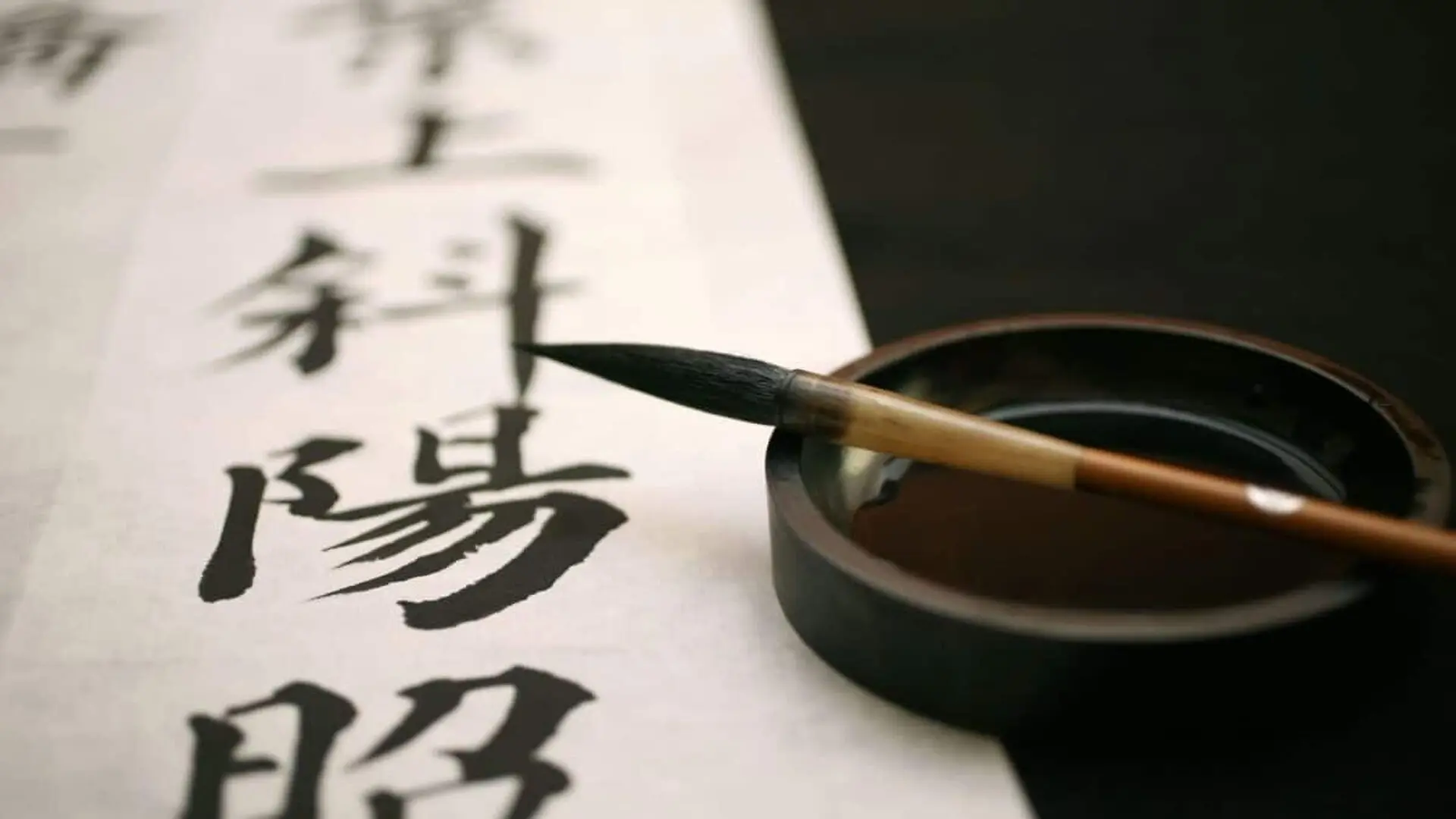
Beyond Symmetry: The Complex Evolution of Chinese Character Geometry
The iconic square shape of Chinese characters has long been attributed to aesthetic ideals, such as a traditional preference for symmetry, or the intrinsic nature of the language itself. However, new research suggests that this distinctive configuration is not the result of a single, predetermined cause. Instead, it emerged through a gradual, multi-faceted process involving shifting linguistic structures, evolving graphic design, and the practical constraints of writing materials.
A study published in the International Journal of Arts and Technology challenges these simplified explanations, proposing instead that the uniform appearance of the script is a byproduct of historical necessity and functional adaptation.
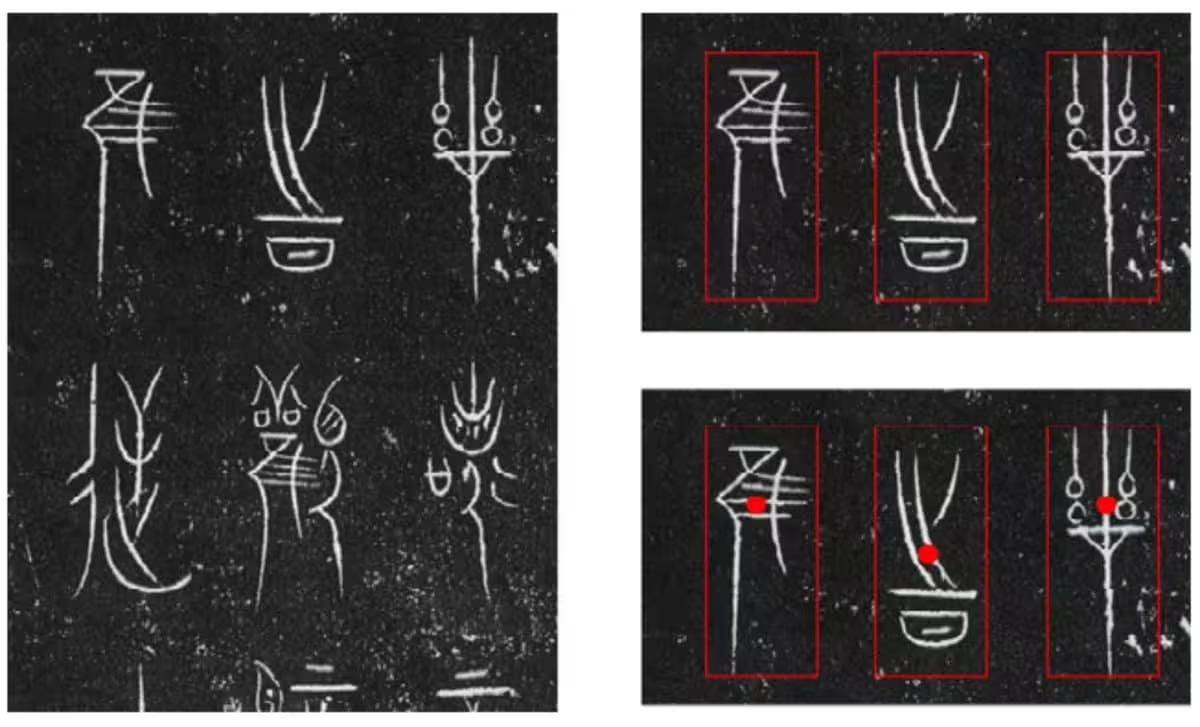
Deconstructing the Linguistic Foundation
Researchers Man Dai and Haiping Li emphasize that to understand the script’s geometry, one must distinguish between four fundamental linguistic units: phonemes (individual sounds), syllables (units of pronunciation), morphemes (units of meaning), and words. The study argues that while the monosyllabic nature of early Chinese provided a natural framework for syllable-based characters, this structure did not dictate a square outcome on its own.
Other systems, such as Korean Hangul, organize phonemes into square blocks, and the Tangut script also achieved a square-based structure. In contrast, scripts like Egyptian hieroglyphs—despite their visual complexity and semantic depth—never converged into a uniform square format. This divergence confirms that the “square” is a developmental choice rather than an inevitable linguistic consequence.
As the Chinese language transitioned toward a higher frequency of disyllabic words, the writing system evolved to combine existing characters rather than inventing new symbols for every word. This shift reinforced the link between individual characters and morphemes, further stabilizing the square configuration as a standardized vessel for these linguistic components.
Practical Constraints and Material Evolution
The transition from early, pictorial forms to the more standardized script was heavily influenced by the physical act of writing. Early characters often displayed significant variations in size and layout due to their pictorial origins. However, the move toward phono-semantic characters, which combined elements for sound and meaning, demanded greater consistency.
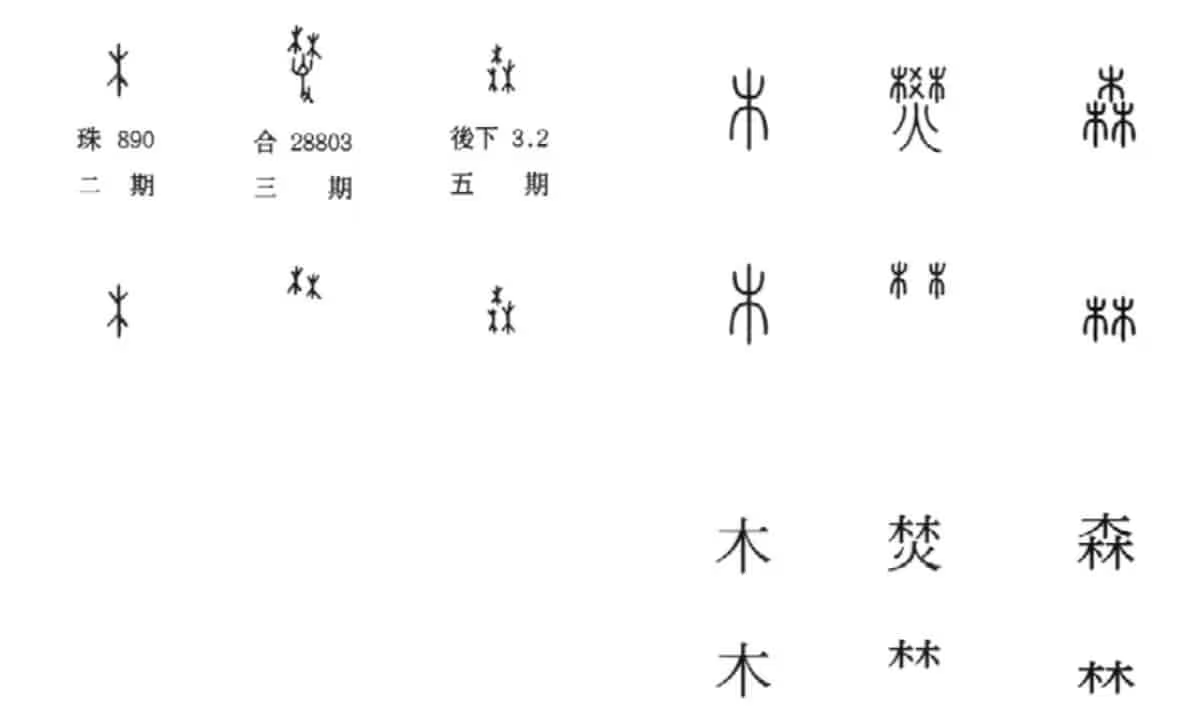
This regularization was accelerated by the physical limitations of ancient writing surfaces, particularly narrow bamboo slips, which often measured less than a centimeter in width. Scribes were forced to compress and rearrange components to fit these vertical strips, a process that likely contributed to the compact, cluster-based morphology of the characters. The flexibility of the brush—allowing for nuanced strokes within a confined space—further supported this development.
Ultimately, the researchers suggest that the standardization of these characters was a long-term process of regularization. While cultural preferences for symmetry likely provided the aesthetic momentum, the square shape itself stands as a historical result of navigating the pressures of linguistic evolution, scribe-friendly graphic design, and the tangible realities of writing technology.
This article has been fact checked for accuracy, with information verified against reputable sources. Learn more about us and our editorial process.
Last reviewed on .
Article history
- Latest version
Reference(s)
- “Inderscience Publishers - linking academia, business and industry through research.” <https://www.inderscience.com/storage/f218471012311695.pdf>.
Cite this page:
- Posted by Vikram Desai