Commercial Biocontrol Nematodes Cause 100 Percent Mortality in Native Pacific Banana Slugs
Laboratory trials reveal that common pest-control roundworms are lethal to giant North American slugs, raising concerns over non-target ecological impacts.
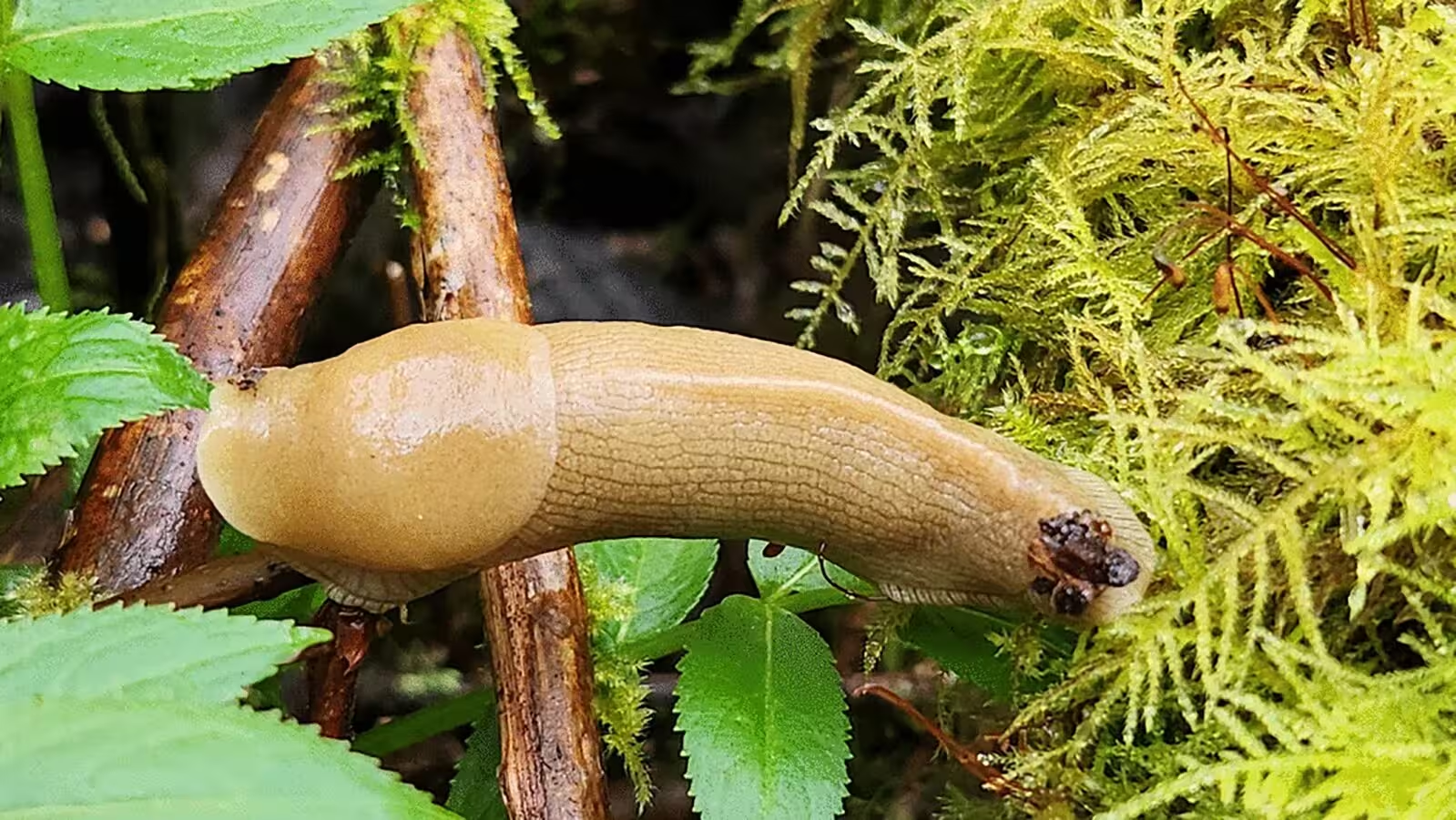
When exposed to parasitic roundworms used as agricultural biocontrol agents, iconic Pacific banana slugs suffered up to 100 percent mortality in laboratory trials. Researchers at Oregon State University examined the vulnerability of the native North American gastropods to two commercialized nematode species, revealing that body size offers no guarantee of protection against the microscopic attackers.
Terrestrial slugs and snails perform vital ecosystem services by recycling nutrients and supporting soil health as detritivores. However, introducing biological control agents to manage agricultural pests can sometimes backfire on native wildlife. To explore these potential ecological risks, scientists tested two roundworm species, Pellioditis hermaphrodita and Pellioditis californica, on the Pacific banana slug (Ariolimax columbianus) across different life stages. The findings were published in PLOS One on November 11, 2026.
How the Laboratory Infectivity Trials Unfolded
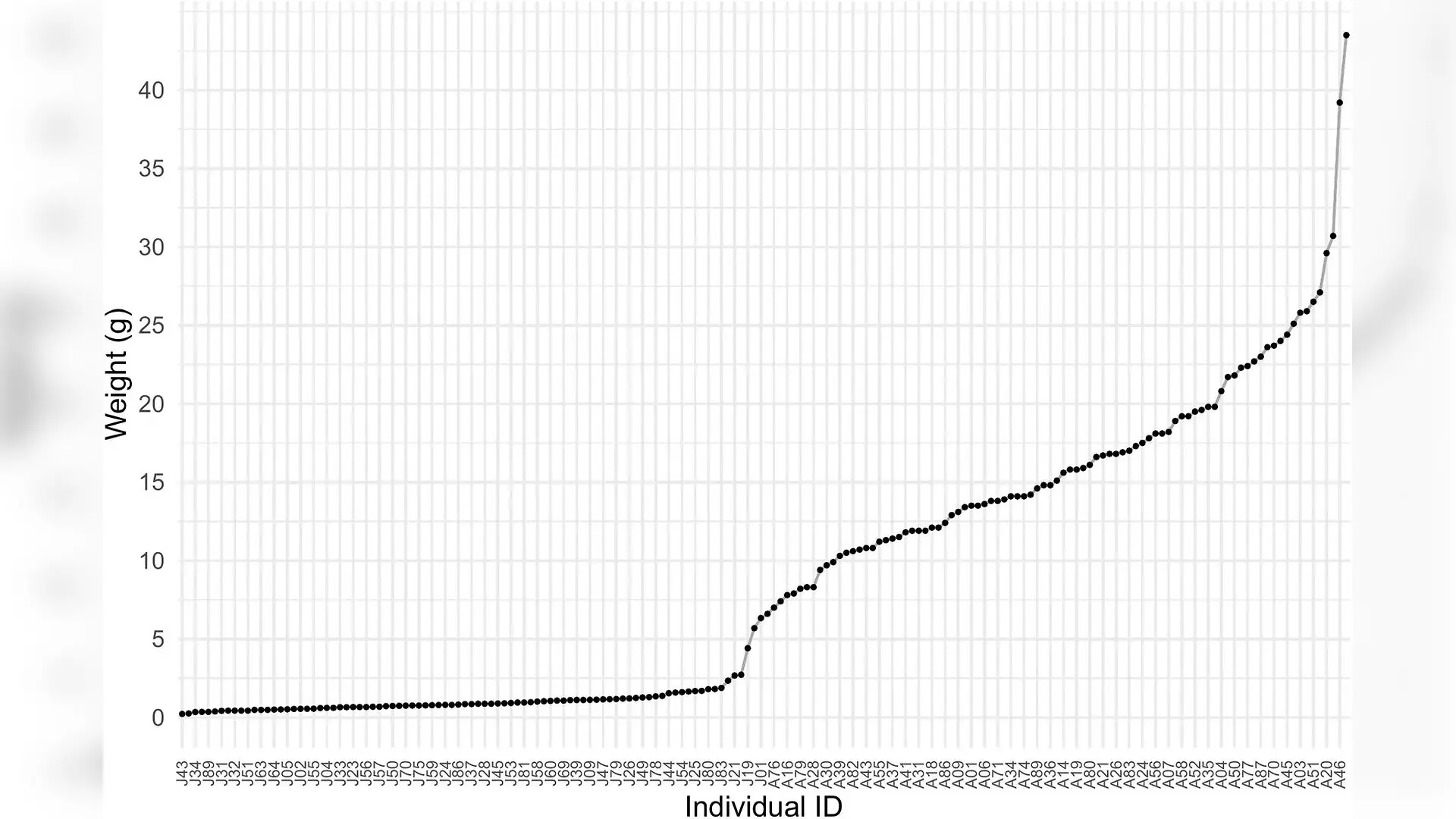
The research team collected 178 wild banana slugs along the Oregon coast between March and April 2024. The specimens were sorted into juvenile and adult weight classes, with juveniles weighing between 0.22 and 2.67 grams and adults spanning from 6.60 to 30.7 grams. In controlled laboratory containers filled with autoclaved soil, the slugs were exposed to infective juvenile stage roundworms applied at recommended commercial rates. Control groups received only deionized water without any parasites.
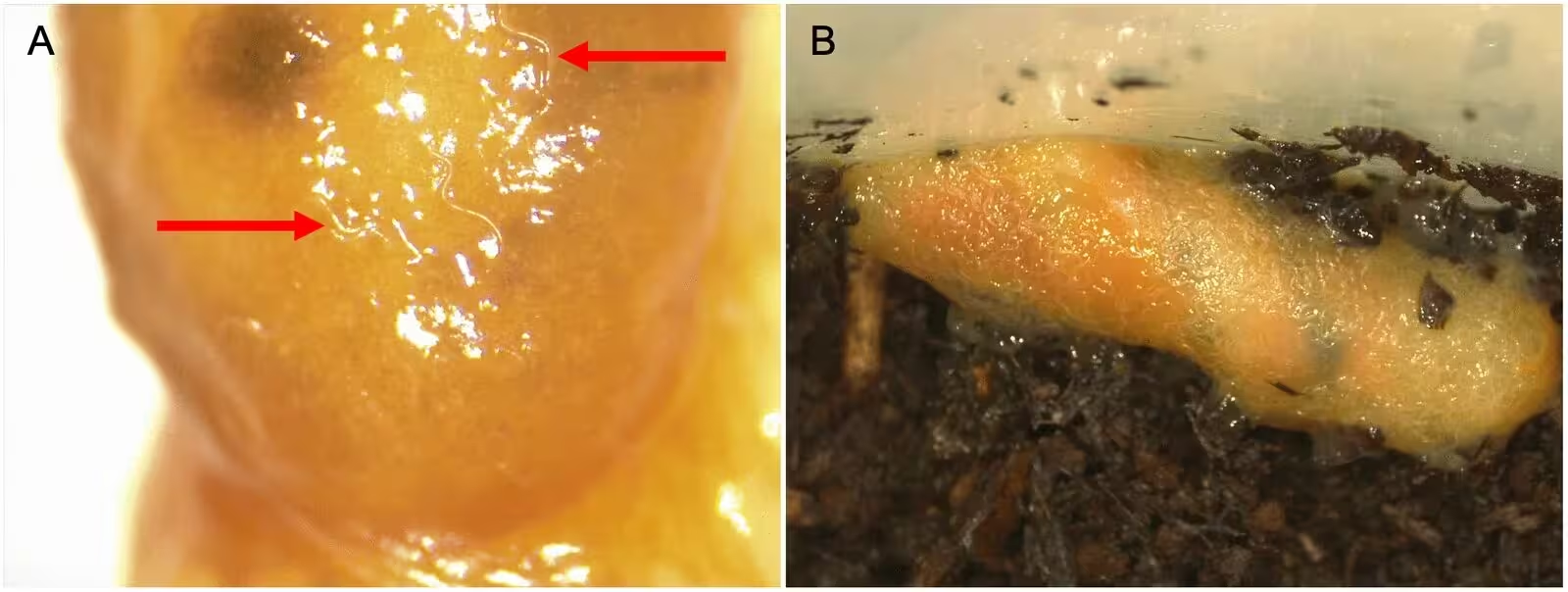
The researchers monitored the containers daily for 38 days, tracking mortality by assessing physical cues such as discoloration, unusual posture, and lack of behavioral response when stimulating the eyestalks with a metal spatula. Under microscopic examination, the roundworms could be seen actively infecting the outer surface of the slug mantles before eventually proliferating across the deceased hosts in massive numbers.
Striking Differences Between Roundworm Species and Host Ages
The experiments revealed that both roundworm species are lethal to the native slugs under laboratory conditions, but their impacts varied significantly depending on the species and the age of the host. Pellioditis hermaphrodita proved devastating to both groups, causing 100 percent mortality in juvenile slugs within 16 days and 100 percent mortality in adults within 27 days. In contrast, Pellioditis californica heavily impacted juveniles with an 80 percent mortality rate, but caused only 8 percent mortality in adult slugs, which was comparable to the untreated control groups.
These outcomes indicate that susceptibility is not uniform across developmental stages. Juveniles succumbed to the infections much faster than adults in both roundworm treatments. The authors note that while previous research established the safety of these roundworms in certain European environments, data on North American native species remain scarce. The complete mortality of adult banana slugs exposed to Pellioditis hermaphrodita is particularly striking given the exceptionally large body size of these animals, demonstrating that physical magnitude does not necessarily shield a native gastropod from infection.
What These Results Mean for Conservation and Agriculture
While chemical molluscicides like metaldehyde pellets carry environmental hazards, introducing biological controls requires rigorous safety testing to prevent unintended tragedies for native fauna. Well-documented historical failures, such as the introduction of predatory snails in Hawaii that drove multiple native species to extinction, highlight the importance of thorough host-range evaluations. Because these trials were conducted in controlled laboratory settings, the authors emphasize that further field studies and mesocosm experiments are necessary to determine whether similar mortality rates occur in natural ecosystems where environmental variables and host behaviors come into play.
The research was published in PloS one on November 11, 2026.
This article has been fact checked for accuracy, with information verified against reputable sources. Learn more about us and our editorial process.
Last reviewed on .
Article history
- Latest version
Reference(s)
- Taylor, Emily R.., et al. “Two Pellioditis biocontrol nematode species infect Ariolimax columbianus, the Pacific banana slug, and increase mortality in laboratory infectivity trials.” PLOS One, vol. 21, no. 11, November 11, 2026, pp. e0361391 Public Library of Science (PLoS), doi: 10.1371/journal.pone.0361391. <https://doi.org/10.1371/journal.pone.0361391>.
Cite this page:
- Posted by Michael Ellison