Scientists Found Lung Disease Raises Prostate Enlargement Risk, and Shared Immune Pathways Explain It
Large-scale survey data and genetic analyses reveal a cross-system link between chronic lung disease and prostate enlargement, mediated by inflammatory pathways and versican upregulation.
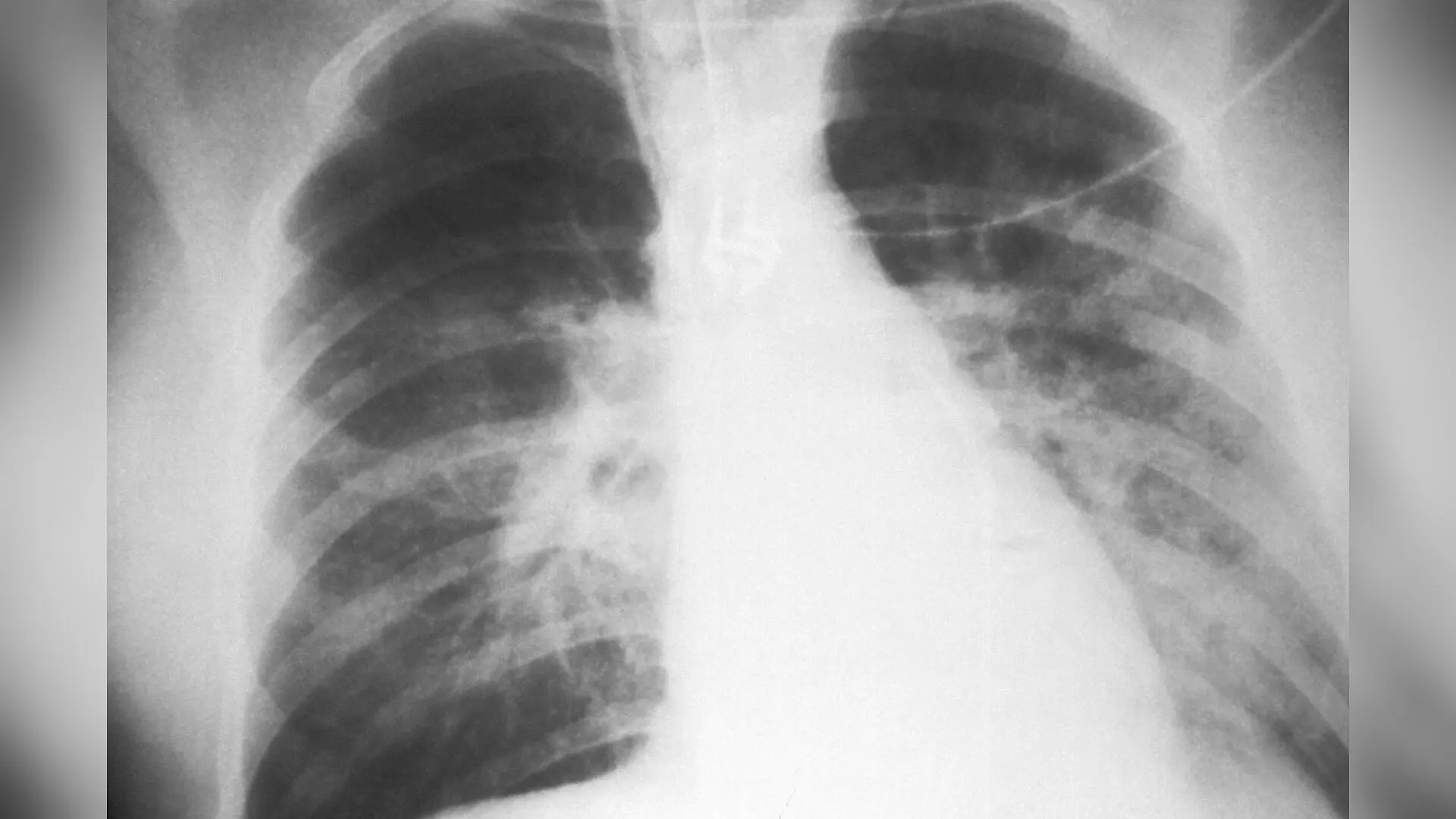
Researchers analyzed health survey data and genetic samples from about 5,963 men to determine if chronic lung disease raises the risk of prostate enlargement. The findings reveal a clear statistical link between the two conditions, suggesting that systemic inflammation could connect distant organ systems.
Population Trends and Genetic Evidence
Chronic obstructive pulmonary disease, an inflammatory lung condition affecting more than 200 million people worldwide, often coexists with other age-related disorders. Benign prostatic hyperplasia, a common urological disorder among middle-aged and older men, affects more than 112 million men worldwide. To explore this overlap, the team examined data from the National Health and Nutrition Examination Survey covering five cycles between 1999 and 2008. The weighted prevalence of prostate enlargement reached 24.5 percent among participants with the lung condition, compared with 13.5 percent among those without it.
Adjusting for demographic and lifestyle factors showed that lung disease remained associated with higher odds of prostate enlargement. Mendelian randomization, a statistical method using genetic variants to test causality, further indicated that genetic liability for the lung condition increased the risk of the urological disorder. Additional multivariable models confirmed that these associations persisted after accounting for smoking, body mass index, and other metabolic traits. The study is published in Frontiers in Immunology.
Shared Molecular Signatures and Candidate Genes
Both conditions share underlying pathological features involving persistent immune responses and structural changes in surrounding tissue matrices. Differential expression analysis identified 764 genes altered in the lung condition and 1,243 genes altered in the prostate condition. Functional enrichment mapping showed that these genes cluster around immune signaling, leukocyte migration, and extracellular matrix remodeling. Network analysis narrowed the overlap down to 24 shared candidate genes linked to inflammatory pathways and structural support.
Machine learning algorithms prioritized three top genes from this group, but only VCAN showed consistent upregulation in both diseases. This gene encodes versican, a large extracellular matrix proteoglycan involved in tissue organization and cell signaling. External validation datasets confirmed elevated VCAN expression in lung tissue from patients with chronic lung disease and in prostate tissue from patients with prostatic hyperplasia. Single-cell transcriptomics subsequently mapped this expression primarily to stromal fibroblasts within the prostate.
Fibroblast States and Macrophage Interactions
Prostate fibroblasts high in versican displayed elevated scores for inflammatory responses and extracellular matrix assembly compared to other cells. Pseudotime trajectory analysis showed that versican expression increases steadily as these fibroblasts mature toward a more active remodeling state. Spatial transcriptomics further revealed that regions enriched for high-versican fibroblasts frequently overlap with local macrophage accumulation. Cell-to-cell communication models predicted strong ligand-receptor signaling between macrophages and these specific fibroblast populations.
To test these interactions experimentally, the team established a co-culture system using human macrophages stimulated to adopt an inflammatory profile alongside prostatic stromal cells. Co-culture increased stromal cell proliferation and upregulated genes related to tissue remodeling and structural proteins. Silencing VCAN through targeted RNA interference attenuated these proliferative changes and reduced markers of stromal activation. These outcomes support a model where macrophage-derived inflammatory signals drive fibroblast activation and matrix changes.
Computational Predictions and Study Limitations
Screening a drug database against the transcriptional signature of high versican expression identified potential small-molecule compounds, including withaferin A and cucurbitacin I, that might reverse these changes. Molecular docking simulations suggested stable binding poses for both compounds within a specific domain of the versican protein. However, the authors note that these computational predictions require direct pharmacological validation before any clinical utility can be established. Furthermore, the survey data relied on self-reported questionnaires rather than clinical spirometry or prostate volume measurements.
The authors state that while population and genetic data point to a causal link, residual confounding from medication use cannot be completely ruled out. Inhaled maintenance therapies for lung disease can influence urinary function, although a supplementary analysis found no clear genetic association between a drug-use propensity score and prostate enlargement risk. Additional experimental models are needed to confirm whether lung-derived systemic inflammation directly travels to and impacts the prostate microenvironment.
The research was published in Frontiers in immunology on November 26, 2026.
This article has been fact checked for accuracy, with information verified against reputable sources. Learn more about us and our editorial process.
Last reviewed on .
Article history
- Latest version
Cite this page:
- Posted by Michael Ellison