Herbal Seed Extract Linked to Stillbirths and Lower Birth Weights in Rat Study
Higher doses of the traditional herbal remedy reduced fetal growth and increased stillbirth rates in pregnant rodents, highlighting potential gestational risks.
Pregnant rats given high doses of garden cress seed extract experience a rise in stillbirths and lower pup birth weights, according to new animal research that points to potential risks from using this popular herbal remedy during pregnancy. Traditional herbal products are frequently consumed by expecting mothers under the assumption that natural ingredients are automatically safe, but scientific evaluations of their developmental toxicity remain scarce.
To investigate these safety questions, Teshome Gebremeskel Aragie and colleagues at the Ethiopian Public Health Institute evaluated the prenatal effects of a 70 percent ethanol extract derived from defatted Lepidium sativum seeds in Wistar rats. The detailed findings were published in PLOS One, shedding light on the pharmacological profile of a seed commonly used in traditional dishes and remedies across Ethiopia.
How Did the Researchers Test the Seed Extract on Pregnant Rats?
The investigators tested the plant extract across two independent experimental arms using timed-mated female Wistar rats. In the first phase focusing on embryonic development, pregnant rats received oral gavage doses of two hundred fifty milligrams, five hundred milligrams, or one thousand milligrams per kilogram of body weight daily from gestation day 6 to day 12. Control groups included a pair-fed vehicle group receiving two percent Tween 80 and an ad libitum control group with unrestricted food access.
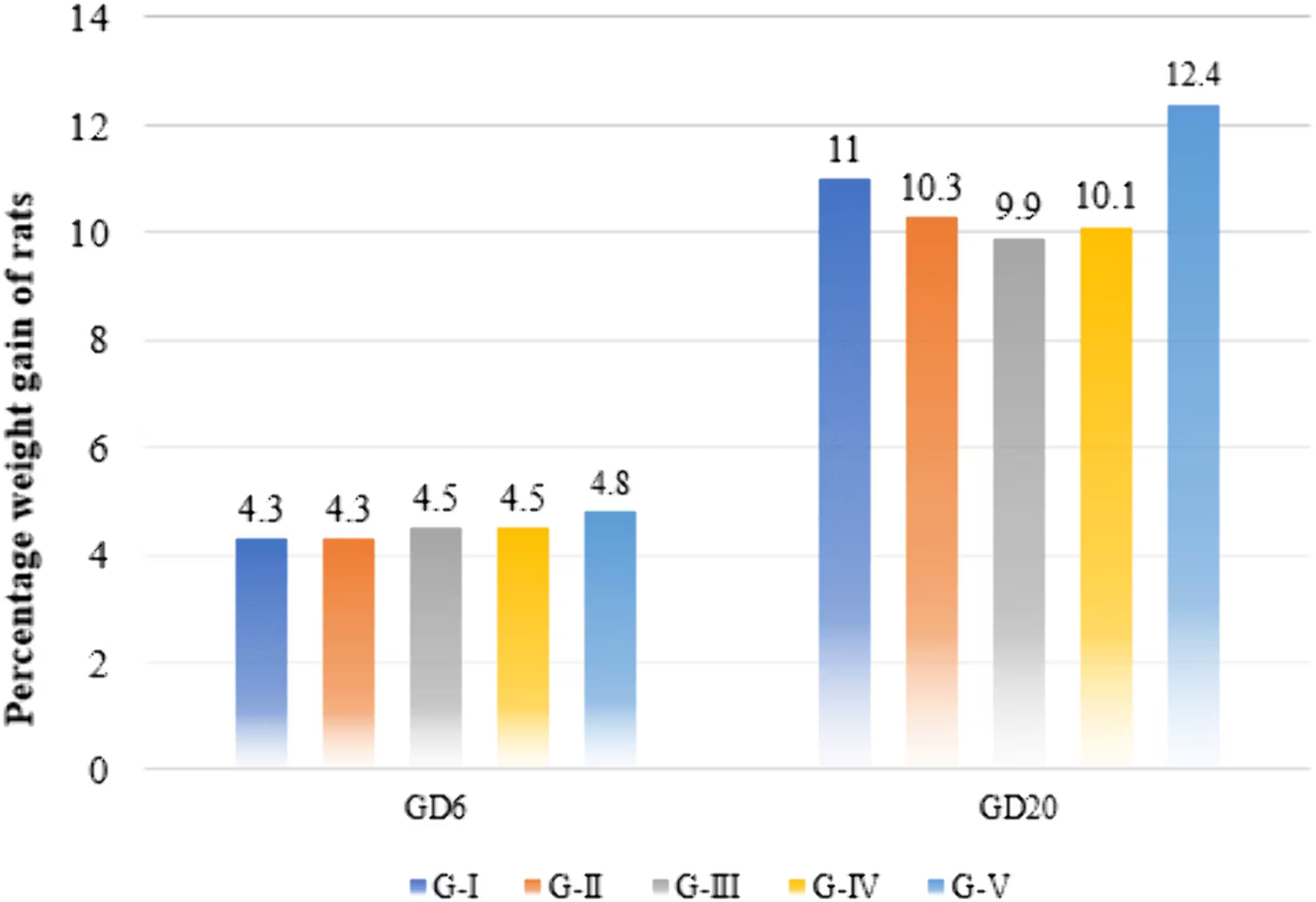
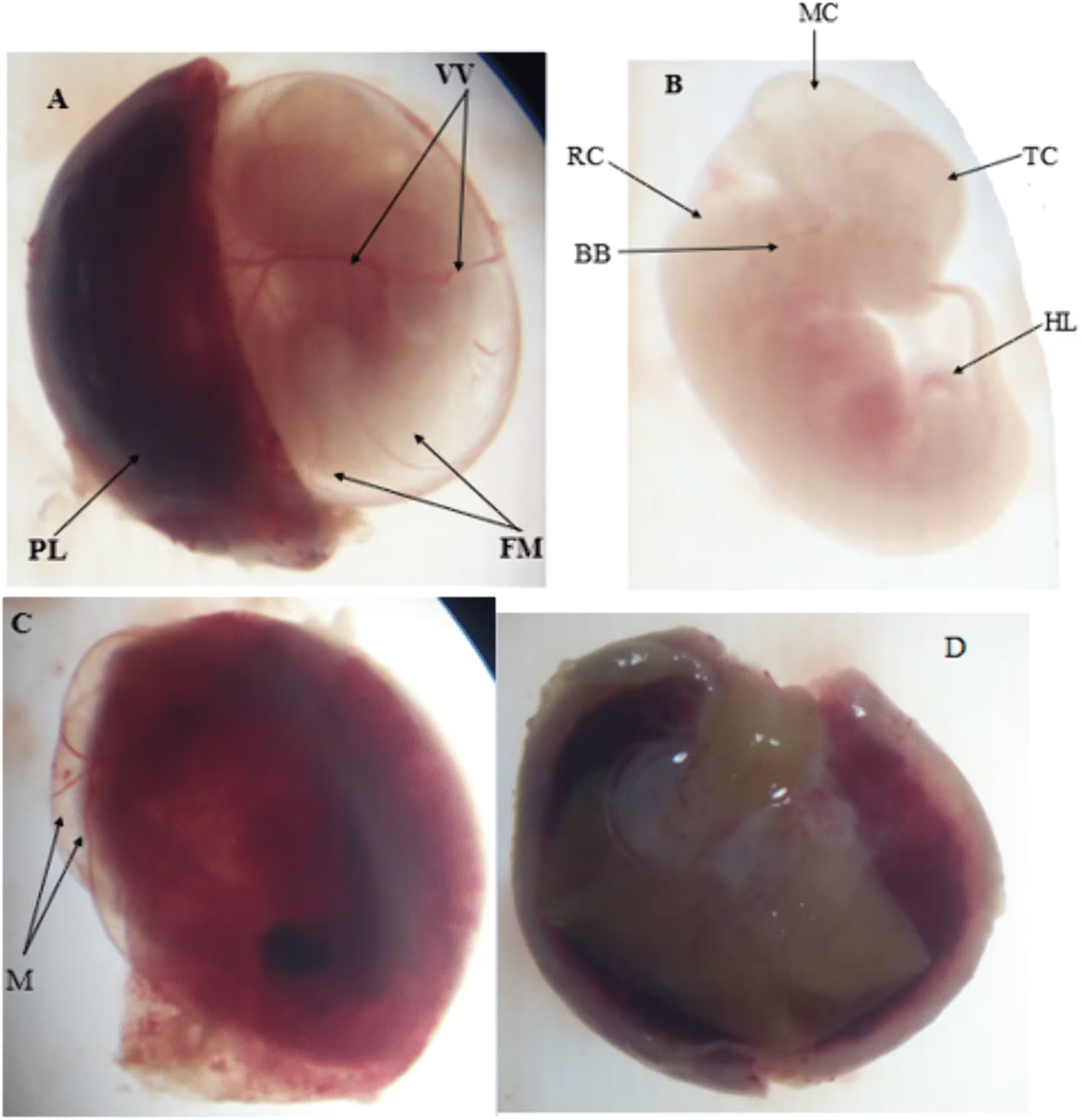
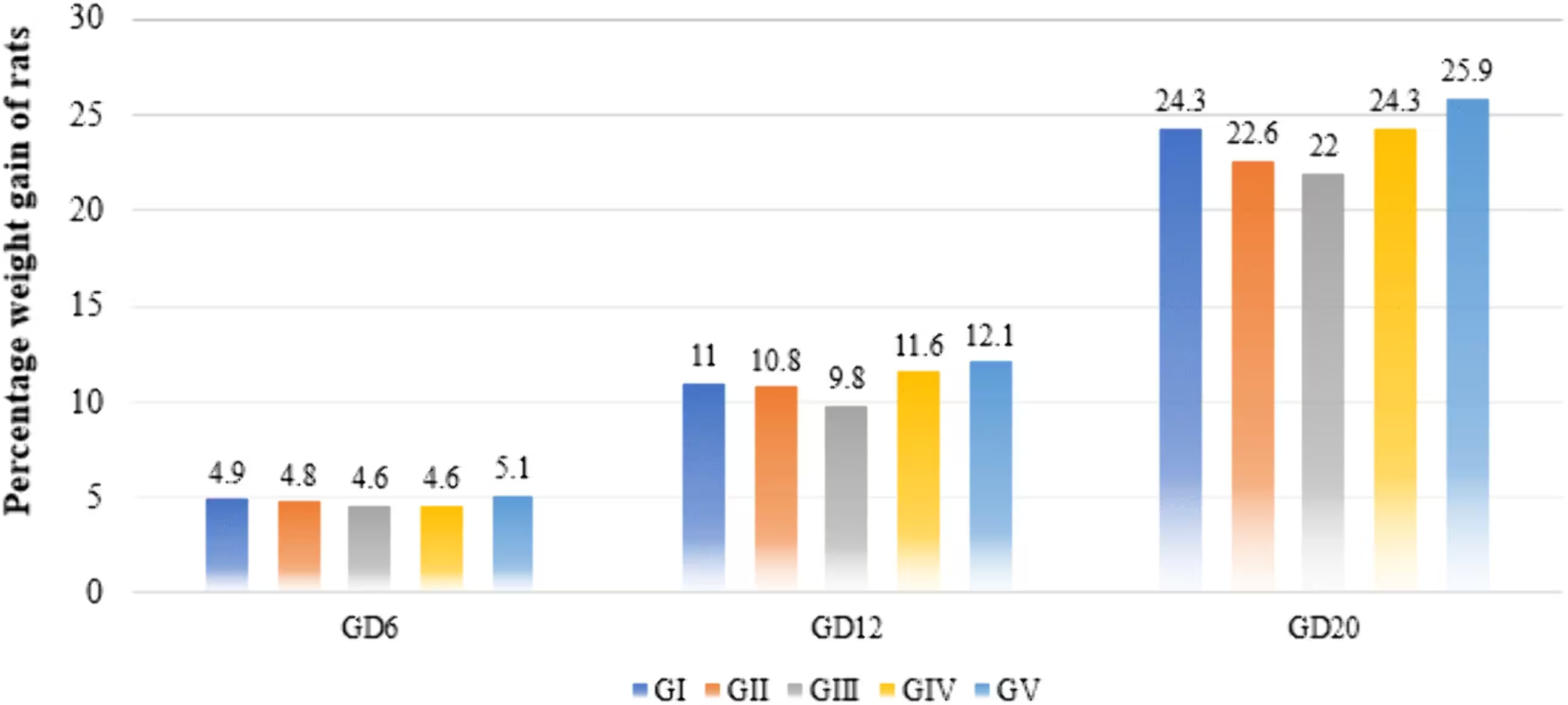
In the second phase focusing on near-term fetal development, treatment continued across the same critical window of organogenesis, and the dams were evaluated on gestation day 20. The team measured maternal weight gain, daily food intake, embryonic morphological scores, somite numbers, crown-rump lengths, fetal weights, placental weights, and the occurrence of resorptions, abortions, or skeletal and visceral anomalies.
What Were the Effects on Pregnancy Outcomes and Fetal Growth?
The study established a no-observed-adverse-effect level of two hundred fifty milligrams per kilogram, as doses at this level produced no significant toxic effects or developmental delays. However, higher doses of five hundred milligrams and one thousand milligrams per kilogram triggered noticeable adverse outcomes. The highest dose group exhibited significantly reduced maternal weight gain, lower daily food consumption, and reduced gravid uterus weights compared to control groups.
Furthermore, administration of the highest dose led to spontaneous abortions in three dams and increased early fetal resorptions. Pups born from treated dams displayed dose-dependent reductions in body weight, crown-rump length, and placental weight. Visceral examination revealed that eight percent of fetuses in the highest dose group developed ventricular dilation in the brain.
Could Phytochemicals and Anti-Nutritional Compounds Explain the Toxicity?
The observed developmental toxicity may stem from specific bioactive phytochemicals present in the seeds, including glucosinolates, alkaloids, and phytosterols. Glucosinolates can break down into active compounds that activate sensory receptors in the gut, promoting early satiety and reduced food intake. Additionally, active constituents may stimulate uterine smooth muscle contractions or interfere with thyroid hormone production, which is essential for normal growth and tissue maturation.
Interestingly, the evaluation of skeletal ossification showed that control pups experienced more delays in the appearance of ossification centers in the hyoid bone, sternum, and limb phalanges compared to treated pups. The authors suggest this unexpected skeletal advancement might relate to the high calcium and vitamin C content in the seeds, which can support bone mineralization.
What Are the Limitations and Implications for Human Safety?
The authors noted several limitations in their work, including the absence of hormonal and serum biomarker data, a small histological sample size, and a lack of full investigator blinding during certain handling procedures. They also emphasized that animal findings cannot be directly extrapolated to humans without considering differences in pharmacokinetics and metabolism.
Based on body surface area conversions, the no-observed-adverse-effect level in rats corresponds to a human equivalent dose of approximately forty milligrams per kilogram, or roughly two point four grams daily for a sixty kilogram adult. Because traditional human consumption often reaches five to fifteen grams daily, the calculated margin of safety is relatively narrow, indicating that caution is warranted regarding the unregulated use of these seeds during pregnancy.
The research was published in PLOS One on November 25, 2026.
This article has been fact checked for accuracy, with information verified against reputable sources. Learn more about us and our editorial process.
Last reviewed on .
Article history
- Latest version
Reference(s)
- Aragie, Teshome Gebremeskel., et al. “Prenatal developmental toxicity of the 70% ethanolic extract of defatted Lepidium sativum L. seeds in Wistar rats.” PLOS One, vol. 21, no. 11, November 25, 2026, pp. e0363832 Public Library of Science (PLoS), doi: 10.1371/journal.pone.0363832. <https://doi.org/10.1371/journal.pone.0363832>.
Cite this page:
- Posted by Anjali Singh