Surgical Table Posture Fixes Can Prevent Hidden Operating Room Injuries
A new evidence synthesis reveals how standardized body positioning and multidisciplinary teamwork can protect surgical patients from nerve damage and blood clots.
Adult patients undergoing laparoscopic colorectal cancer surgery face hidden physical risks during operations, such as nerve damage and dangerous blood clots, simply from how their bodies are arranged on the operating table. Researchers addressed this hazard by conducting a comprehensive review of clinical guidelines and studies to establish best practices for patient positioning in the operating room.
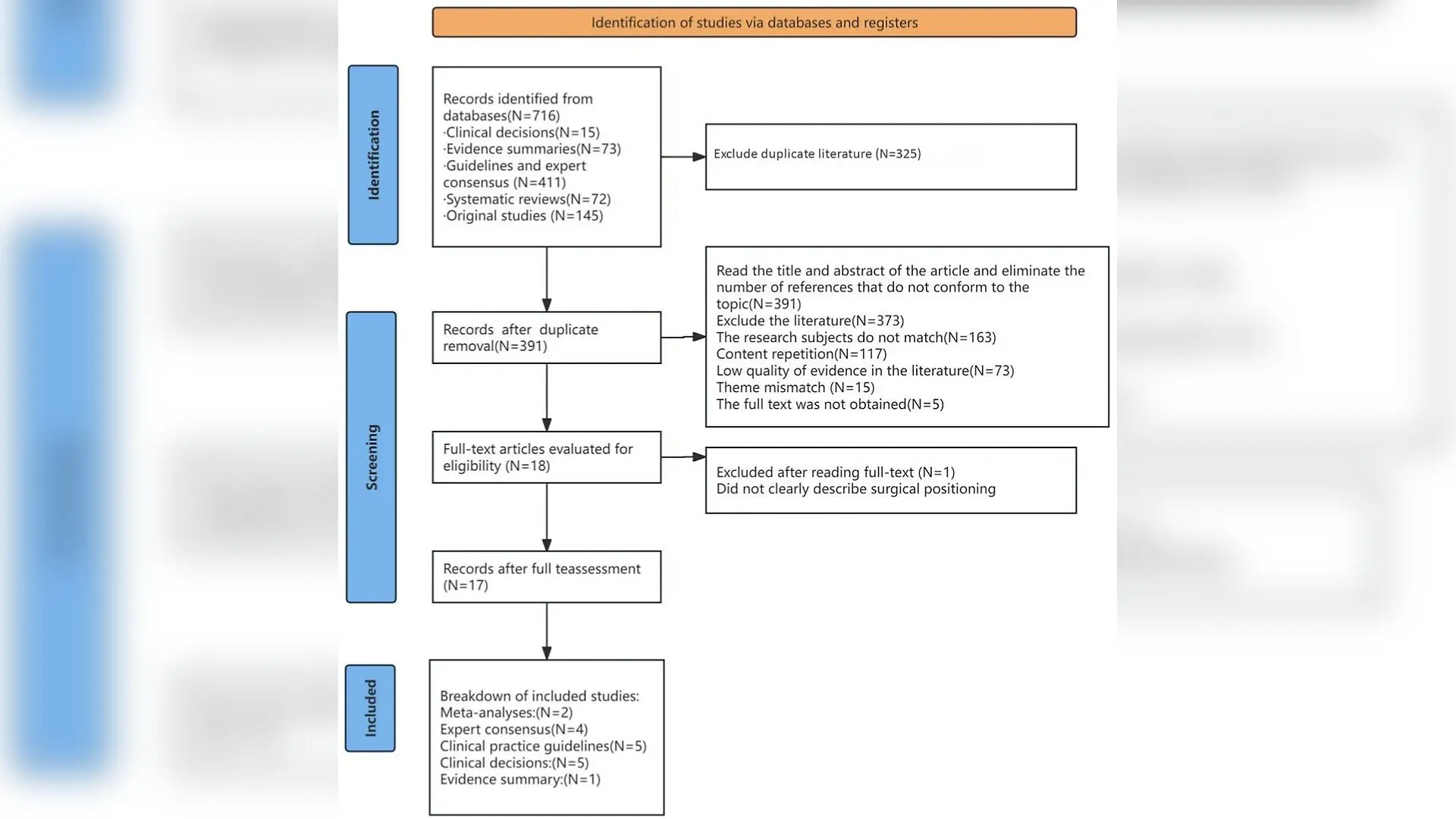
The study, published in PLOS One, synthesizes existing medical literature to standardize how surgical teams position individuals who undergo minimally invasive bowel operations. Jiye Sang and colleagues analyzed 17 high-quality documents, including guidelines, systematic reviews, and expert consensus statements published up to late 2025.
Why Traditional Surgical Positions Cause Hidden Injuries
During minimally invasive colorectal procedures, surgical teams frequently rely on a specific layout known as the modified lithotomy position. This setup raises the patient’s legs while the body is tilted in a head-down posture, which uses gravity to pull abdominal organs away from the surgical zone and gives doctors a clearer view. However, improper body angles can compress major nerves and blood vessels, leading to complications like peripheral nerve injury, skin breakdown, and deep vein thrombosis.
Traditional leg setups often concentrate pressure on vulnerable spots behind the knee and around the outer fibular head, which can compress nerves and restrict blood return from the lower limbs. The modified approach shifts this vital support away from those high-risk areas onto the calf muscles. Even with these ergonomic improvements, prolonged pressure and awkward joint angles still threaten patient safety under general anesthesia.
What the New Evidence Synthesis Recommends for Teams
The research team formulated 18 actionable recommendations covering the entire surgical journey, from initial planning to postoperative recovery. Preoperative evaluations must identify high-risk individuals, such as older adults, people with diabetes, and patients with high body mass indexes. Medical staff need to check skin integrity and cardiovascular health before any sedative is given, ensuring the patient can tolerate both the leg elevation and the head-down tilt.
During the setup phase, surgeons, anesthesiologists, and operating room nurses must work together to move limbs slowly and keep hip flexion angles below 90 degrees. Restraint straps should be adjusted to leave about a finger-width of space, and medical devices like blood pressure cuffs or intermittent pneumatic compression sleeves require careful placement to avoid restricting circulation. If an operation lasts longer than four hours, guidelines suggest briefly returning the patient to a flat supine position to restore normal blood flow.
Safeguarding Recovery After the Operation Ends
Postoperative care is equally critical for preventing sudden drops in blood pressure and missed nerve complications. Medical staff must avoid lowering both legs at the same time after surgery. Instead, caregivers should perform gentle passive movements and lower each limb individually with a three to five minute interval between sides, allowing the cardiovascular system time to adjust.
The authors acknowledge notable limitations in the current medical literature, including a lack of direct prospective trials dedicated exclusively to the modified position during colorectal procedures. Many recommendations had to draw upon broader surgical positioning data and conventional lithotomy studies. Nonetheless, establishing standardized protocols helps hospitals bridge these knowledge gaps and protects vulnerable surgical patients from preventable injuries.
The research was published in PLOS One on November 12, 2026.
This article has been fact checked for accuracy, with information verified against reputable sources. Learn more about us and our editorial process.
Last reviewed on .
Article history
- Latest version
Reference(s)
- Sang, Jiye., et al. “Systematic review and best evidence summary of patient positioning management in the modified lithotomy position during laparoscopic colorectal surgery.” PLOS One, vol. 21, no. 11, November 12, 2026, pp. e0360728 Public Library of Science (PLoS), doi: 10.1371/journal.pone.0360728. <https://doi.org/10.1371/journal.pone.0360728>.
Cite this page:
- Posted by Rohan Kumar