Patent Data Reveals Rapid Global Growth in Sustainable Agricultural Biosurfactant Technologies
A new patent analysis shows how microbial bioproducts are evolving from laboratory strains into market-ready crop protection formulations.
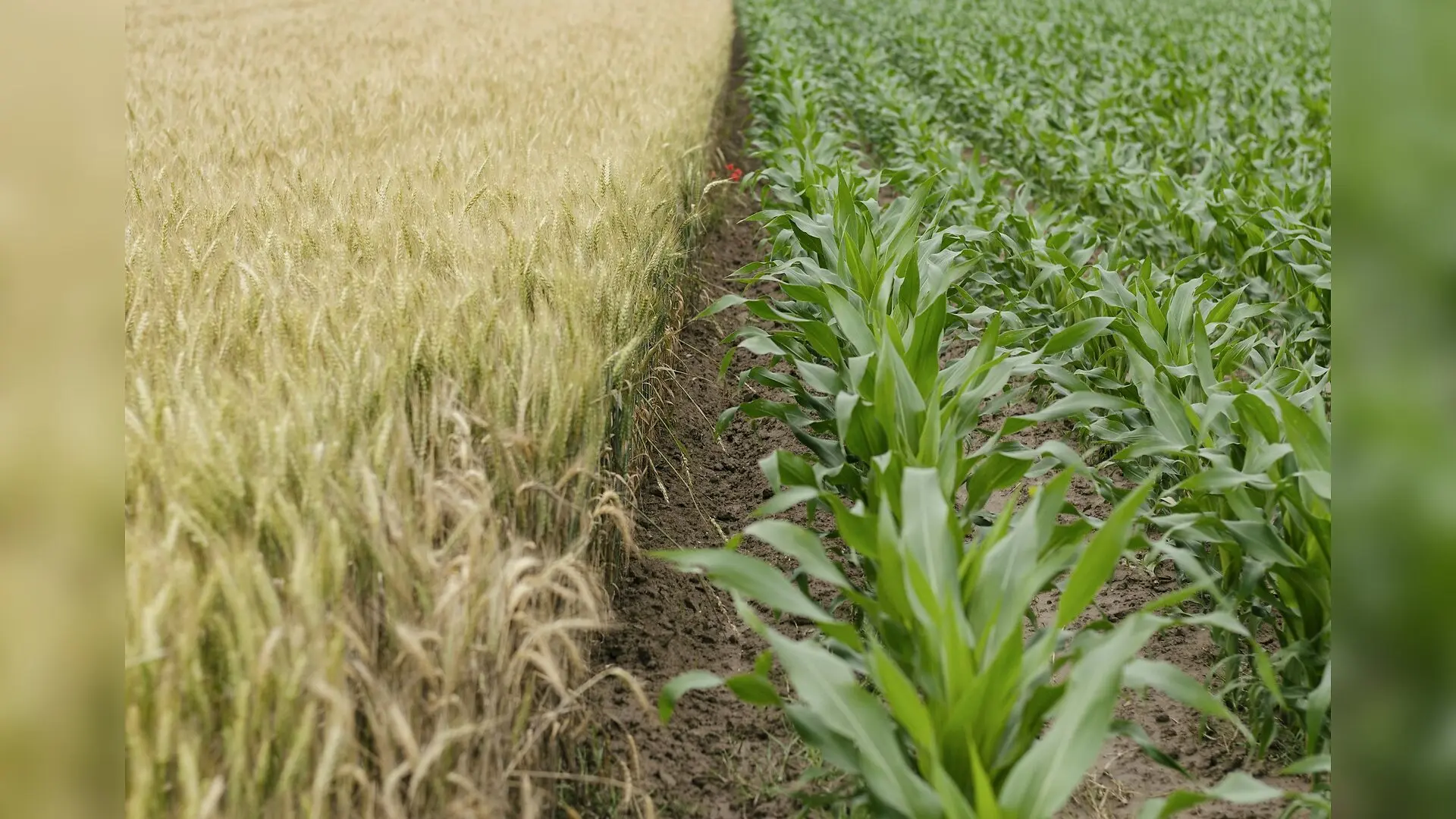
Agricultural biosurfactant technologies are experiencing rapid global growth, according to a recent study tracking nearly four decades of patent filings. The search for eco-friendly alternatives to chemical crop protection has driven this expansion, as farmers and researchers seek out biological compounds that safeguard harvests without lingering in soils or waterways.
To map this evolving landscape, researchers analyzed international patent data to understand how microbial innovations move from laboratory discoveries to commercial products. The work was published in the journal Planta by Bruno Rodrigues Fachini and colleagues at the Federal University of Paraná in Brazil. Their findings offer a detailed look at the geographic hubs, corporate leaders, and technological bottlenecks shaping the future of sustainable farming.
What Are Microbial Biosurfactants and Why Are They Replacing Synthetic Pesticides?
Synthetic fertilizers and chemical pesticides have boosted global food production since the mid-twentieth century, but their overuse has created serious environmental challenges. Persistent chemical residues can accumulate in ecosystems, alter soil microbes, and accelerate the rise of resistant crop diseases. In contrast, biosurfactants and lipopeptides are biodegradable compounds produced by beneficial bacteria such as Bacillus and Pseudomonas. These natural molecules feature low toxicity and high structural diversity, allowing them to fight off harmful fungi, bacteria, and nematodes while simultaneously stimulating plant immunity.
Commercial interest in these natural agents has surged following decades of rising regulatory pressure and environmental concerns. The global agricultural biologicals market is expanding rapidly as major agricultural chemical companies incorporate biological solutions into their product portfolios. Farmers and agronomists stand to benefit directly from these innovations through improved crop resilience, reduced chemical runoff, and better long-term soil health.
How Are Patent Filings Distributed Across Different Technological Categories?
The research team examined 375 patent documents published between 1983 and early 2026. They classified these inventions into four distinct categories to evaluate the primary focus areas of current research and development.
- Strains and biological material accounted for 42 percent of the documents, focusing on the discovery and genetic protection of newly isolated or engineered microbial strains.
- Compositions and formulation represented 28 percent of the records, covering specific ingredient mixtures, shelf-life stabilizers, and delivery mechanisms.
- Applications and uses made up 18 percent of the total, detailing how products target specific agricultural pests and plant diseases.
- Production process and fermentation comprised 12 percent of the filings, describing bioreactor designs, nutrient media, and large-scale manufacturing parameters.
Patent activity has accelerated significantly since 2017, driven by increased public and private investment in green agricultural technologies. Universities and public research institutes account for 49 percent of the patent documents, while private industry holds 40 percent. This close balance indicates that the technology has moved past basic academic research and reached an advanced, industry-ready stage.
Which Companies and Regions Lead the Global Biosurfactant Patent Race?
Geographic analysis reveals that patent protection is heavily concentrated in specific global regions. China leads all countries with 205 protected documents, fueled by strong public research investments and domestic institutional support. The United States follows with 101 documents, trailed by Japan with 73, South Korea with 62, and Brazil and India with 56 documents each.
Among private assignees, the American firm Locus Fermentation Solutions holds the highest number of granted patents with 26 documents, primarily focusing on advanced formulations for crop enhancement and pest reduction. Other major agricultural enterprises, including Bayer Cropscience, BASF, and Lesaffre, also maintain robust international patent portfolios aimed at replacing traditional chemical inputs with biological formulations.
How Does the New Strategic Protection Index Measure Market Readiness?
To better understand commercial potential, the authors introduced a metric called the Strategic International Protection Index. This index evaluates how widely inventors seek intellectual property protection across different countries and international offices. The analysis revealed that the Compositions and formulation category achieved the highest index score, indicating that it is closest to delivering market-ready products.
While isolating new bacterial strains represents the largest volume of early-stage research, turning those discoveries into stable, field-ready commercial formulations requires complex industrial engineering. The findings suggest that future innovations will increasingly bridge the gap between laboratory biosurfactant discovery and practical, large-scale agricultural application.
The research was published in Planta on November 23, 2026.
This article has been fact checked for accuracy, with information verified against reputable sources. Learn more about us and our editorial process.
Last reviewed on .
Article history
- Latest version
Reference(s)
- Rodrigues Fachini, Beatriz., et al. “Patent landscape and technological forecasting for biosurfactant use in agricultural biocontrol: innovation, protection strategies, and future perspectives.” Planta, vol. 265, no. 1, November 23, 2026 Springer Science and Business Media LLC, doi: 10.1007/s00425-026-05238-x. <https://doi.org/10.1007/s00425-026-05238-x>.
Cite this page:
- Posted by Rohan Kumar