Yeast Transposon Screens Reveal How Fungi Evade Antifungal Drugs
High-throughput genetic screening exposes how cell wall modifications and transporter mutations allow fungi to bypass powerful chemical treatments.
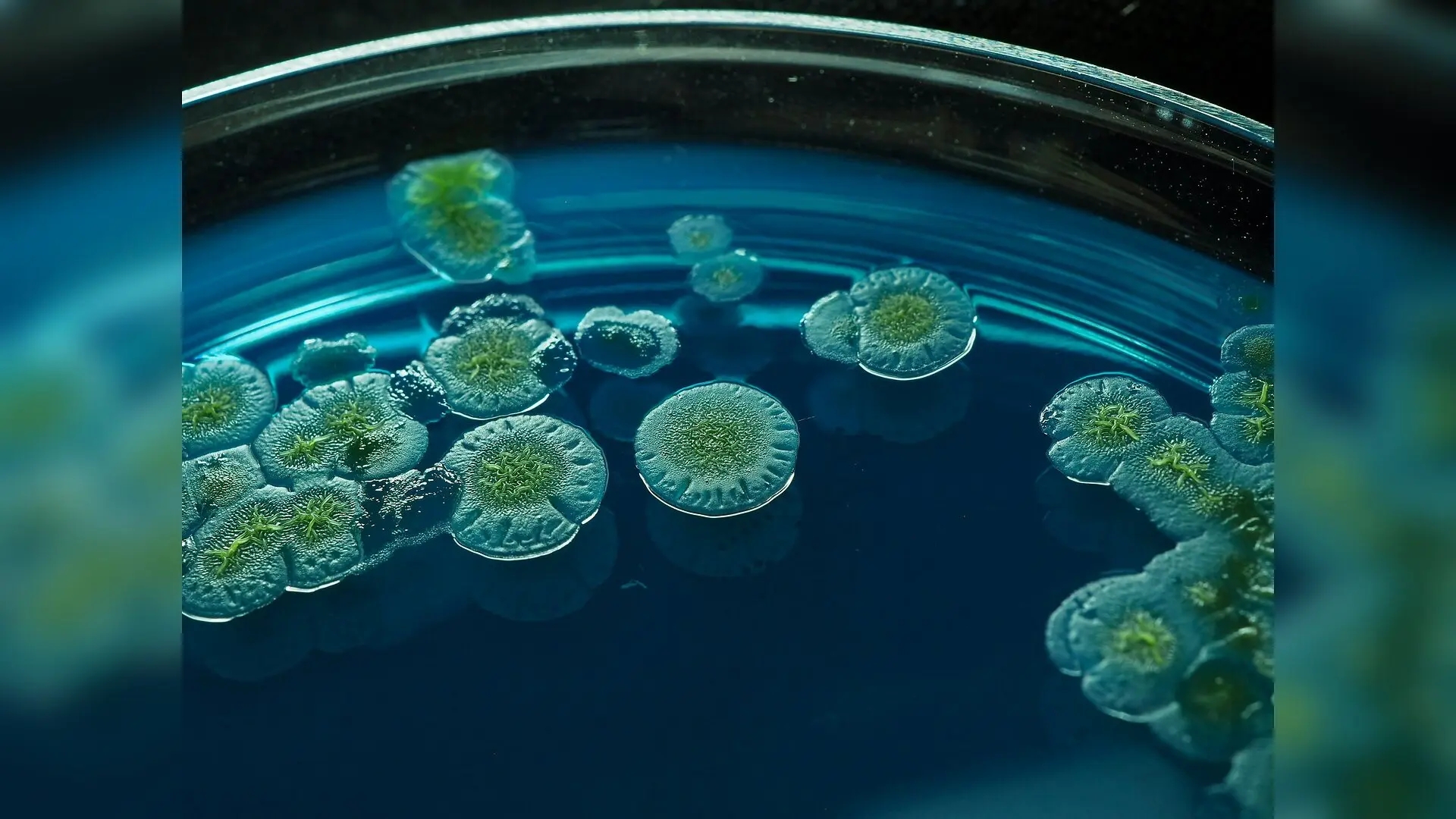
Yeast cells mutate their surface armor to disarm an eco-friendly biopesticide, revealing a hidden cellular mechanism that could reshape how scientists track antifungal drug resistance. Fungal pathogens threaten global health and food supplies, but finding new ways to control them has remained difficult due to a lack of detailed genetic data on how these organisms tolerate chemical stress.
To decode these defense mechanisms, researchers at the University of Oxford and Syngenta applied a high-throughput screening technique called SAturated Transposon Analysis in Yeast, or SATAY, across twenty different antifungal treatments. The detailed findings from the project are published in eLife, outlining how specific genetic pathways confer resilience or vulnerability to diverse chemical compounds in the baker’s yeast species Saccharomyces cerevisiae.
How does the natural antifungal chitosan target yeast cell walls?
Chitosan is a natural polysaccharide derived from the deacetylation of chitin found in crustacean shells, making it a popular choice for controlling pre-harvest and post-harvest agricultural diseases. Although its antimicrobial properties have been recognized for decades, its precise molecular targets on fungal cell surfaces remained poorly understood. This knowledge gap persisted partly because standard laboratory yeast strains are naturally resistant to chitosan.
To overcome this limitation, the team utilized a drug-sensitive yeast strain lacking several major multidrug resistance transporters. When exposed to chitosan, the transposon screen revealed a striking enrichment of mutations in genes associated with protein glycosylation and Golgi transport. These affected genes are responsible for building and modifying complex sugar molecules on cell wall proteins.
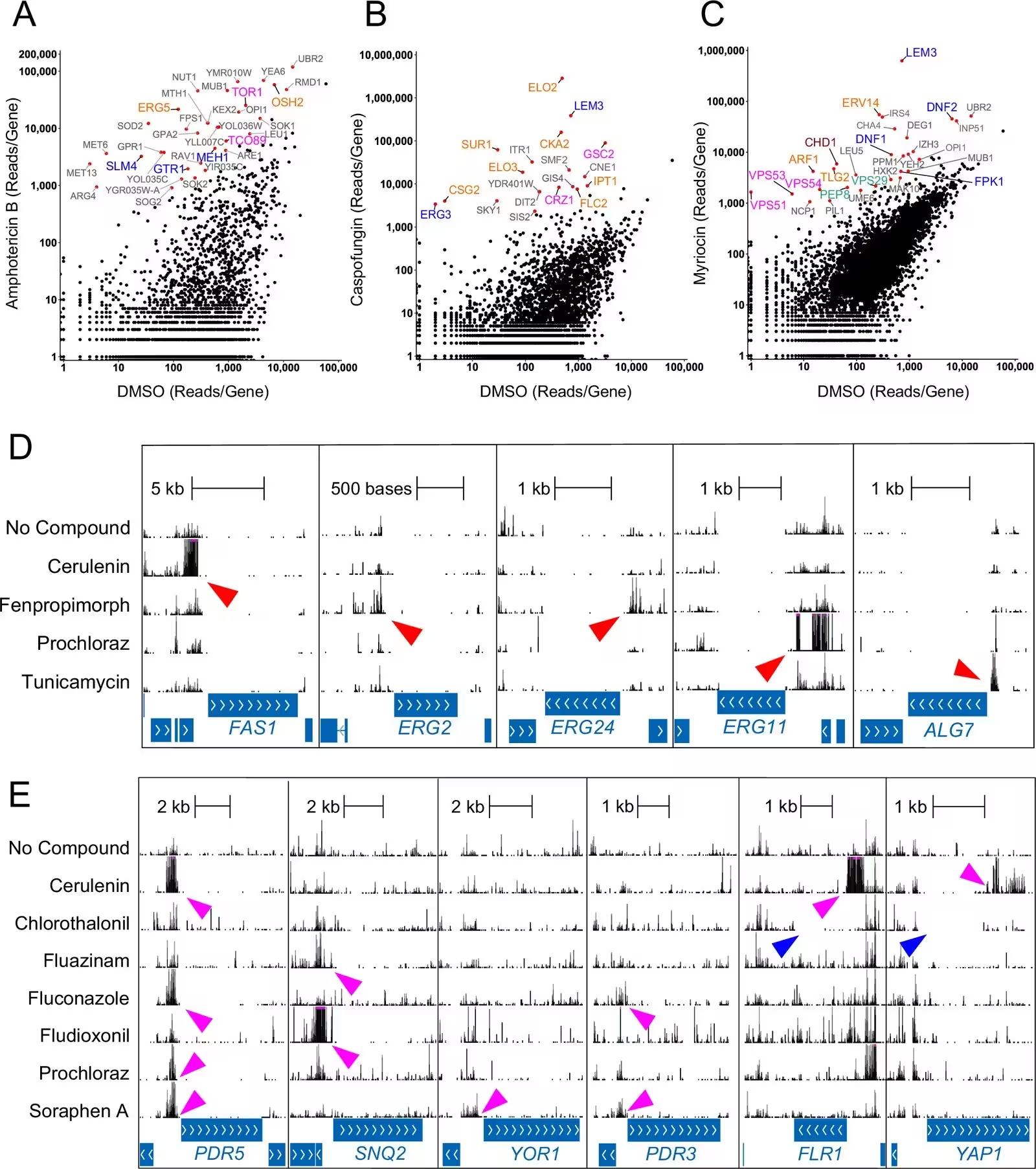
The authors discovered that chitosan electrostatically binds to negatively charged mannosylphosphate groups on the yeast cell surface. When the researchers mutated genes such as MNN4, which adds these phosphate groups, the yeast cells lost their ability to bind chitosan and became significantly more resistant. Conversely, overexpression of MNN1 altered cell wall chemistry to reduce negative charges, protecting the cells from the biocide.
What role does the Hol1 transporter play in drug uptake?
Beyond natural compounds, the team investigated synthetic agents such as ATI-2307, a promising experimental arylamidine drug with broad-spectrum activity against drug-resistant clinical pathogens like Candida albicans. While standard laboratory yeast lacks sensitivity under normal conditions, the screen pinpointed the high-affinity polyamine transporter Hol1 as the primary gateway responsible for pulling the drug into the cell.
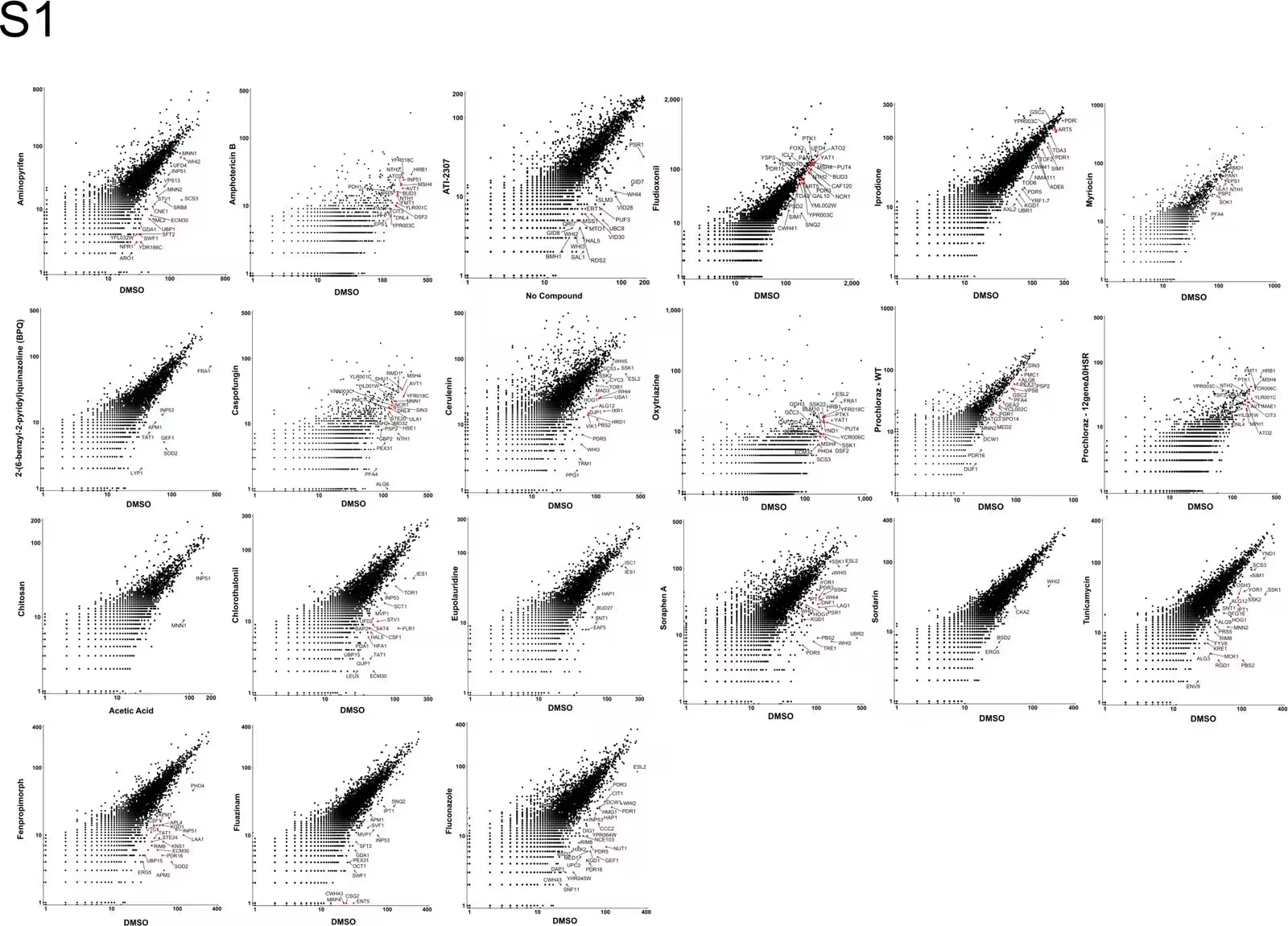
Deleterious mutations or complete deletions of the HOL1 gene increased the drug’s minimum inhibitory concentration by one thousand-fold, effectively granting robust resistance. Mass spectrometry analyses confirmed that wild-type yeast cells actively concentrate ATI-2307 inside their cytoplasm, while strains lacking Hol1 accumulate virtually none of the compound.
Can drug resistance evolve without a heavy fitness cost?
A major concern in modern pharmacology is whether pathogens can develop resistance to new drugs without sacrificing their normal growth and survival abilities. The Oxford team conducted a forward genetics screen to test if mutations in HOL1 could block drug uptake while preserving the transporter’s vital day-to-day role in importing polyamines.
By generating thousands of randomly mutagenized variants, they isolated sixteen distinct mutant strains that survived exposure to ATI-2307, pentamidine, and iminoctadine. Sequencing revealed that these separation-of-function mutations clustered tightly on the cytoplasmic side near the base of the protein’s transport pore. These specific alterations block the toxic antifungal compounds from entering the cell without shutting down essential nutrient uptake, pointing to a smooth evolutionary pathway toward resistance that drug developers must anticipate.
The research was published in eLife on November 23, 2026.
This article has been fact checked for accuracy, with information verified against reputable sources. Learn more about us and our editorial process.
Last reviewed on .
Article history
- Latest version
Reference(s)
- Karadzas, Matthew T., et al. “SATAY-based chemogenomic screening uncovers antifungal resistance mechanisms and key determinants of ATI-2307 and chitosan sensitivity.” eLife, vol. 14, November 23, 2026 eLife Sciences Publications, Ltd, doi: 10.7554/eLife.105333. <https://doi.org/10.7554/eLife.105333>.
Cite this page:
- Posted by Hassan Raza