Mouth Watering? The Surprising Reasons Your Body Does This
Why does your mouth water at the sight or smell of food and when could it signal something more.
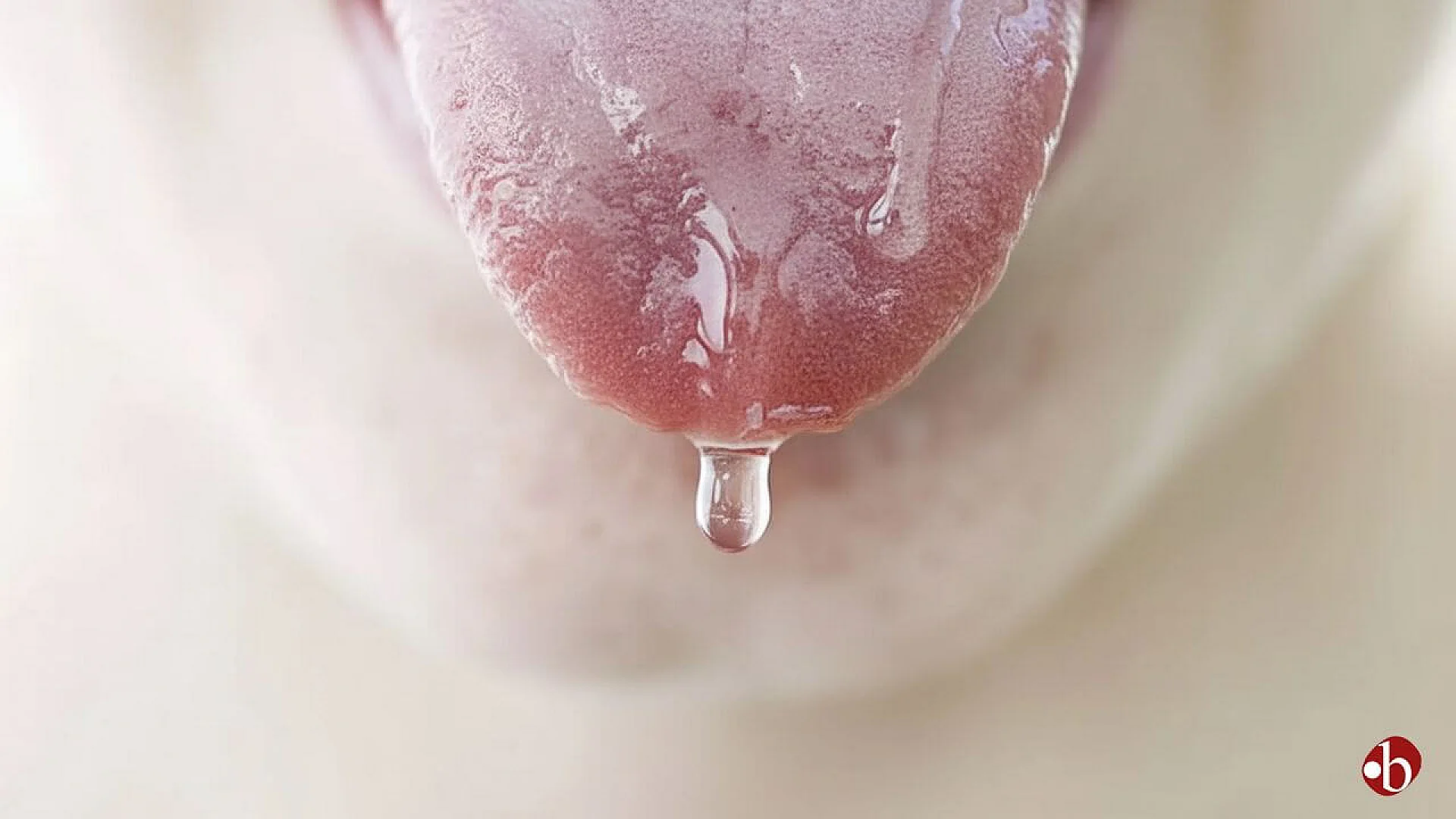
Salivation is the natural process by which the salivary glands produce saliva and release it into the mouth. This process occurs continuously, even when you are not eating, and plays a critical role in maintaining oral health and supporting digestion. On average, a healthy adult produces about 0.5 to 1.5 liters of saliva per day.
Role of Saliva in Oral and Digestive Health
Saliva serves several essential functions that protect and support the body:
- Lubrication of the mouth and throat: Saliva keeps oral tissues moist, making it easier to speak, chew, and swallow.
- Initiation of digestion: Saliva contains enzymes, primarily amylase, which begin breaking down carbohydrates as soon as food enters the mouth.
- Protection against infection: Saliva helps wash away food particles and bacteria, reducing the risk of cavities, gum disease, and oral infections.
- Maintaining tooth integrity: Minerals in saliva help neutralize acids and repair early enamel damage, protecting teeth from decay.
- Taste perception: A moist oral environment allows taste molecules to dissolve and interact effectively with taste receptors.
Without adequate saliva, individuals may experience dry mouth, difficulty swallowing, increased dental problems, and impaired digestion.
How Salivary Glands Function
Saliva is produced by three major pairs of salivary glands, along with several smaller glands distributed throughout the mouth:
- Parotid glands: Located near the ears, these glands produce a watery, enzyme-rich saliva, especially during eating.
- Submandibular glands: Found beneath the jaw, they generate a mix of watery and mucus-containing saliva and are responsible for most resting saliva production.
- Sublingual glands: Located under the tongue, these glands secrete thicker, mucus-rich saliva that helps lubricate the mouth.
Salivary secretion is controlled by the autonomic nervous system. Sensory signals—such as taste, smell, sight of food, or even thought—activate nerve pathways that stimulate the glands to release saliva. This process occurs automatically and does not require conscious effort.
Normal vs. Excessive Mouth Watering
Mouth watering can range from a normal physiological response to a sign of an underlying health issue. Understanding this difference is important for recognizing when salivation is healthy and when it may require attention.
When Mouth Watering Is a Healthy Response
In most cases, mouth watering is a normal and beneficial reaction. Common healthy triggers include:
- Anticipating or smelling food
- Eating or chewing
- Experiencing hunger
- Tasting sour or flavorful foods
These responses prepare the digestive system for food intake and help protect the mouth and teeth during eating.
Defining Hypersalivation (Ptyalism)
Hypersalivation, also known as ptyalism, refers to the production of saliva in excess of what is needed for normal oral function. This condition may lead to frequent swallowing, drooling, or the sensation that the mouth is constantly filling with saliva.
Excessive salivation can occur due to medical conditions, medications, dental problems, or neurological factors. While occasional increases in saliva are usually harmless, persistent or unexplained hypersalivation may indicate an underlying issue that warrants medical evaluation.
Why Is My Mouth Watering?
Mouth watering is a natural bodily response that occurs when the nervous system signals the salivary glands to release saliva. This reaction is closely tied to sensory input, thought processes, and the body’s preparation for digestion. While often associated with food, mouth watering can happen for several interconnected reasons.
Sensory Triggers
The human body is highly responsive to sensory information, especially when it relates to eating. Certain sights, smells, and tastes can activate salivation even before food enters the mouth.
Smell-Induced Salivation
The sense of smell has a powerful influence on saliva production. When aroma molecules from food are inhaled, they stimulate olfactory receptors in the nose. These receptors send signals to the brain, which then activates the salivary glands. This explains why the smell of freshly cooked food can cause the mouth to water almost instantly.
This response helps prepare the mouth and digestive system for incoming food by moistening the oral cavity and initiating enzyme release.
Taste and Visual Food Cues
Seeing appetizing food or tasting flavorful substances—especially sour, spicy, or savory items—can trigger immediate salivation. Taste buds on the tongue detect chemical signals from food and communicate directly with the brainstem, leading to increased saliva flow. Visual cues, such as the appearance of a favorite dish, can have a similar effect by activating anticipation pathways in the brain.
Thought-Driven Responses
Mouth watering does not require physical exposure to food. In many cases, simply thinking about food is enough to stimulate saliva production.
Thinking About Food
Mental imagery of eating, recalling a pleasant food experience, or imagining flavors can activate the same neural circuits involved in actual eating. The brain interprets these thoughts as a signal that food may be consumed soon, prompting the salivary glands to respond accordingly.
Conditioned Reflexes and Pavlovian Response
This phenomenon is a classic example of a conditioned reflex. Through repeated experiences, the brain learns to associate certain cues—such as a specific smell, time of day, or place—with eating. Over time, these cues alone can trigger salivation, a response commonly referred to as the Pavlovian response.
Hunger and Digestive Readiness
Hunger itself plays a significant role in mouth watering. When the body needs energy, it begins preparing the digestive system in advance.
Parasympathetic Nervous System Activation
Hunger activates the parasympathetic branch of the autonomic nervous system, often referred to as the “rest and digest” system. This activation stimulates the salivary glands, increasing saliva production to support efficient chewing and swallowing.
Enzyme Release and Digestion Preparation
Saliva contains digestive enzymes, particularly amylase, which begins breaking down carbohydrates in the mouth. By increasing saliva flow before eating, the body ensures that digestion starts efficiently as soon as food is consumed. Mouth watering, in this context, is a sign that the digestive system is functioning normally and preparing for nutrient intake.
Medical and Physiological Causes
While mouth watering is often a normal response to food-related stimuli, certain medical and physiological conditions can cause increased saliva production. In these cases, excessive salivation may occur even in the absence of hunger or sensory triggers and may be accompanied by other symptoms.
Gastrointestinal Conditions
Disorders affecting the digestive tract can directly influence salivation, as the body attempts to protect itself or prepare for digestive distress.
Acid Reflux (GERD)
Gastroesophageal reflux disease (GERD) is a common cause of increased mouth watering. When stomach acid flows back into the esophagus, the body may respond by producing more saliva. This reflex, sometimes called “water brash,” helps neutralize acid and protect the lining of the esophagus and mouth. Individuals with GERD may notice sudden mouth watering along with heartburn, chest discomfort, or a sour taste.
Nausea and Vomiting Reflex
Nausea often triggers excessive salivation as a protective mechanism. Before vomiting, the body increases saliva production to help shield the teeth and oral tissues from stomach acid. This response can also occur with motion sickness, food poisoning, infections, or certain medications.
Oral and Dental Factors
Problems within the mouth itself can stimulate the salivary glands, leading to persistent or localized mouth watering.
Tooth Decay and Cavities
Cavities and tooth infections can irritate oral tissues and nerves, prompting increased saliva flow. Saliva acts as a natural defense by helping flush out bacteria and reduce acidity around affected teeth. Ongoing mouth watering accompanied by tooth sensitivity or pain may indicate an underlying dental issue.
Gum Disease and Oral Infections
Inflammation of the gums, mouth sores, or oral infections can cause the salivary glands to become overactive. Conditions such as gingivitis, periodontitis, or oral ulcers may lead to increased saliva as the body attempts to protect and heal damaged tissues.
Hormonal and Systemic Causes
Changes in hormones and certain systemic health conditions can also alter normal salivation patterns.
Pregnancy-Related Salivation
Some pregnant individuals experience excessive salivation, a condition known as ptyalism gravidarum. Hormonal fluctuations, nausea, and changes in taste perception during pregnancy are thought to contribute to this increase in saliva production. This symptom is often most noticeable during the first trimester.
Metabolic and Endocrine Influences
Metabolic and endocrine disorders can affect nerve signaling and gland function. Conditions such as diabetes, thyroid imbalances, or heavy metal exposure may disrupt normal salivary control. In these cases, mouth watering may occur alongside other systemic symptoms, including fatigue, weight changes, or altered appetite.
Neurological and Psychological Factors
Salivation is closely regulated by the nervous system, which means that changes in brain function, emotional state, or mental health can significantly influence how much saliva the mouth produces. Neurological signaling and psychological responses often work together to trigger mouth watering, even in the absence of food.
Brain–Gut Communication
The brain and digestive system are linked through complex neural networks that continuously exchange information. Salivation is one of the earliest steps in this communication process.
Role of the Autonomic Nervous System
The autonomic nervous system controls involuntary body functions, including salivation. It has two main branches:
- Parasympathetic nervous system: Stimulates saliva production, producing a watery, enzyme-rich saliva that supports digestion.
- Sympathetic nervous system: Can alter the thickness and flow of saliva, often making it thicker during stress or alert states.
An imbalance or overstimulation of these systems may lead to noticeable changes in salivation, such as excessive mouth watering or, in some cases, dry mouth.
Neural Pathways Involved in Salivation
Salivary secretion is controlled by neural pathways that originate in the brainstem and connect to the salivary glands through cranial nerves. These pathways respond to sensory input, emotions, and cognitive signals. Neurological conditions that affect these pathways—such as nerve damage, stroke, or neurodegenerative disorders—can disrupt normal saliva control and result in increased or poorly regulated salivation.
Emotional and Cognitive Triggers
Emotional states and thought patterns can strongly influence salivation due to their direct impact on nervous system activity.
Stress and Anxiety Responses
Stress and anxiety can alter normal salivary function in different ways. While acute stress may cause dry mouth in some individuals, others experience increased salivation due to heightened autonomic activity. Anticipatory anxiety, such as before public speaking or medical procedures, can trigger mouth watering as part of a generalized physiological response.
Memory and Reward System Activation
The brain’s reward system plays a key role in mouth watering. Pleasant memories associated with food, taste, or past experiences can activate reward centers in the brain, leading to salivation. This response explains why recalling a favorite meal or thinking about a rewarding experience can cause the mouth to water, even without any external food-related stimulus.
Mouth Watering Without Hunger
Mouth watering does not always signal hunger or a desire to eat. In some cases, saliva production increases unexpectedly or occurs at times when food is not involved. These episodes are often linked to sensory changes, oral conditions, or sleep-related factors.
Random or Unprovoked Salivation
Unexplained mouth watering can occur sporadically and may be temporary or recurrent. While often harmless, it can feel uncomfortable or confusing.
Sensory Overstimulation
Strong sensory input—such as intense smells, chemical fumes, or sharp tastes—can overstimulate the salivary glands. Even non-food-related stimuli may activate sensory nerves in the mouth or nose, triggering saliva production as a reflex response. This is the body’s way of protecting the oral tissues from potential irritants.
Dry Mouth Rebound Response
After a period of dry mouth, the salivary glands may temporarily overproduce saliva. This rebound effect can occur due to dehydration, mouth breathing, medication use, or prolonged talking. Once normal moisture levels begin to return, saliva production may briefly increase beyond normal, creating the sensation of sudden mouth watering.
Salivation During Sleep
Mouth watering can also happen during sleep and is commonly noticed upon waking.
Mouth Watering at Night
Nighttime salivation may be related to changes in swallowing frequency during sleep. Since swallowing occurs less often when asleep, saliva can accumulate in the mouth. In some individuals, this may lead to drooling or a feeling of excess saliva without any link to hunger or digestion.
Sleep Posture and Breathing Patterns
Sleeping position plays an important role in how saliva is managed. Sleeping on one’s side or stomach can allow saliva to pool and escape from the mouth more easily. Additionally, mouth breathing—often due to nasal congestion, allergies, or snoring—can alter normal saliva control and contribute to nighttime mouth watering.
Medications and External Substances
Certain medications and external substances can directly affect how the salivary glands function. In these cases, increased mouth watering is often a side effect rather than a sign of illness. Understanding these influences can help identify whether salivation changes are medication-related or lifestyle-related.
Drugs That Increase Saliva Production
Some medications stimulate the nervous system pathways that control salivary glands or alter chemical signaling in the body, leading to excess saliva.
Antidepressants and Antipsychotics
Several antidepressants and antipsychotic medications can cause increased salivation. This effect may occur due to their influence on neurotransmitters that regulate autonomic nervous system activity. Certain antipsychotics, in particular, are known to cause drooling or persistent mouth watering, especially during sleep.
While this side effect is usually not dangerous, it can be uncomfortable and may interfere with daily activities or sleep quality.
Cholinergic Medications
Cholinergic drugs increase the activity of acetylcholine, a neurotransmitter that plays a key role in stimulating saliva production. These medications are sometimes prescribed for conditions such as glaucoma, dry mouth, or certain neurological disorders. Because they directly activate salivary glands, increased mouth watering is a common and expected effect.
Lifestyle and Dietary Influences
Everyday habits and dietary choices can also affect saliva production, sometimes leading to noticeable mouth watering.
Spicy and Acidic Foods
Spicy, sour, and acidic foods strongly stimulate taste receptors in the mouth. This stimulation prompts the salivary glands to produce more saliva to dilute irritating substances and protect the oral lining. Mouth watering after eating citrus fruits, vinegar-based foods, or spicy dishes is a normal protective response.
Smoking and Alcohol Effects
Smoking and alcohol consumption can disrupt normal saliva regulation. Smoking may initially increase saliva production due to oral irritation, while long-term use can impair salivary gland function. Alcohol, especially when consumed in large amounts, can alter nervous system signaling and irritate oral tissues, sometimes leading to temporary increases in saliva or, in contrast, dry mouth followed by rebound salivation.
When Mouth Watering Becomes a Health Concern
Although mouth watering is often a normal and harmless response, there are situations in which it may indicate an underlying health problem. Persistent or excessive salivation that occurs without clear triggers should not be ignored, especially if it affects daily life or is accompanied by other symptoms.
Signs of Excessive or Abnormal Salivation
Certain features can help distinguish normal salivation from a potential medical concern.
Persistent Drooling
Drooling that occurs regularly, especially during waking hours, may suggest poor control of saliva rather than increased production alone. This can be linked to muscle weakness, nerve dysfunction, or structural issues affecting the mouth and throat. Persistent drooling is more concerning when it develops suddenly or worsens over time.
Interference With Daily Activities
Excessive saliva that causes frequent swallowing, speech difficulties, skin irritation around the mouth, or social discomfort may indicate an abnormal condition. When mouth watering disrupts eating, speaking, sleeping, or overall quality of life, medical evaluation is recommended.
Conditions Associated With Hypersalivation
Several health conditions can lead to ongoing or severe mouth watering.
Neurological Disorders
Neurological conditions that affect muscle control or nerve signaling can interfere with normal saliva management. Disorders such as Parkinson’s disease, stroke, cerebral palsy, or motor neuron diseases may cause saliva to accumulate in the mouth due to reduced swallowing efficiency or impaired coordination.
Infections and Toxin Exposure
Infections involving the mouth, throat, or nervous system can stimulate excessive saliva production. Certain toxins, heavy metals, or chemical exposures may also disrupt normal nerve function and gland regulation. In these cases, mouth watering is often accompanied by additional symptoms such as pain, fever, weakness, or changes in mental status.
Diagnosis and Medical Evaluation
When mouth watering is persistent, unexplained, or interferes with daily life, a structured medical evaluation helps identify the underlying cause. Diagnosis focuses on distinguishing normal salivation from hypersalivation and determining whether the issue originates from oral, neurological, gastrointestinal, or systemic factors.
Clinical Assessment
The initial evaluation is largely clinical and involves a detailed discussion of symptoms combined with a physical examination.
Medical History and Symptom Review
A healthcare professional will begin by reviewing medical history and current symptoms. Key points often include:
- Onset and duration of excessive salivation
- Situations in which mouth watering occurs (eating, resting, sleeping)
- Associated symptoms such as heartburn, nausea, drooling, or difficulty swallowing
- Current medications and recent changes
- Dental history and oral hygiene habits
This information helps narrow down potential causes and guides further evaluation.
Oral and Neurological Examination
A physical examination of the mouth assesses gum health, teeth, tongue, and signs of infection or inflammation. The clinician may look for ulcers, swelling, or structural issues that could stimulate saliva production.
A basic neurological examination may also be performed to assess muscle control, coordination, and nerve function. This is especially important if drooling, speech changes, or swallowing difficulties are present.
Diagnostic Tests
If the clinical assessment suggests an underlying disorder, additional tests may be recommended.
Salivary Flow Measurement
Salivary flow tests measure the amount of saliva produced over a specific period. These tests help determine whether saliva production is truly excessive or whether the problem lies in saliva control and swallowing. Measurements may be taken at rest or after stimulation.
Imaging and Laboratory Tests
Imaging studies, such as ultrasound or MRI, may be used to evaluate salivary glands or neurological structures if abnormalities are suspected. Laboratory tests can help identify infections, metabolic disorders, hormonal imbalances, or toxin exposure. These tests are typically ordered when symptoms suggest a systemic or neurological cause.
Management and Treatment Options
Addressing excessive or abnormal mouth watering depends on identifying and treating the underlying cause. Management strategies can range from lifestyle adjustments and oral care to medical therapies, depending on the severity and source of the salivation.
Treating the Underlying Cause
Effective treatment often begins with addressing the specific condition triggering increased saliva production.
Dental and Oral Care Interventions
Oral health issues such as cavities, gum disease, or infections can lead to excessive salivation. Treatment options include:
- Professional dental cleaning and cavity repair
- Gum disease management, including scaling and root planing
- Treating oral infections with prescribed medications
- Maintaining consistent oral hygiene to reduce irritation
By resolving these issues, salivation often returns to normal levels.
Managing Gastrointestinal Conditions
Gastrointestinal problems like acid reflux or nausea-related hypersalivation require targeted therapies:
- Antacids or proton pump inhibitors for GERD
- Dietary adjustments to avoid trigger foods
- Addressing nausea or vomiting through hydration and antiemetic medications
- Monitoring and managing any systemic digestive disorders
Effective control of gastrointestinal symptoms frequently reduces abnormal mouth watering.
Medical and Therapeutic Approaches
In some cases, medical therapies or behavioral strategies may be necessary to control excessive saliva.
Medications to Reduce Salivation
Certain medications can help regulate saliva production:
- Anticholinergic drugs to inhibit excessive gland activity
- Botulinum toxin injections for severe localized salivary overproduction
- Adjustments to medications that may be causing hypersalivation as a side effect
These treatments are usually considered when conservative measures are insufficient.
Behavioral and Physical Therapies
Non-pharmacological approaches can also be effective:
- Swallowing exercises to improve saliva control
- Postural adjustments and oral motor therapy for individuals with neurological disorders
- Biofeedback or cognitive strategies to reduce reflexive salivation triggered by anxiety or sensory cues
Combining these therapies with medical treatment can improve comfort, functionality, and quality of life for those experiencing persistent mouth watering.
Practical Self-Care and Prevention Strategies
While excessive mouth watering can sometimes be linked to medical conditions, many people can manage or prevent it through simple lifestyle habits and consistent oral care. These strategies support overall oral health, improve saliva control, and minimize discomfort.
Daily Oral Hygiene Practices
Maintaining a clean and healthy mouth is one of the most effective ways to regulate saliva production and prevent oral irritation that can trigger excessive salivation.
Maintaining Gum and Tooth Health
- Brush teeth at least twice daily with fluoride toothpaste to prevent decay and gum inflammation.
- Floss regularly to remove food particles and plaque between teeth.
- Use an antiseptic or fluoride mouthwash to reduce bacteria and keep the oral environment balanced.
- Schedule regular dental check-ups to detect cavities, gum disease, or infections early.
Hydration Balance
- Drink adequate water throughout the day to keep oral tissues moist and prevent dehydration-related salivary rebound.
- Avoid excessive caffeinated or sugary beverages, which can irritate the mouth and temporarily alter saliva flow.
- Chewing sugar-free gum or consuming small amounts of water can help maintain a comfortable saliva level when experiencing mild hypersalivation.
Lifestyle Adjustments
Simple adjustments to daily habits can reduce triggers that cause unnecessary salivation.
Dietary Modifications
- Limit intake of very spicy, sour, or acidic foods if they provoke excessive mouth watering.
- Include foods that are easy to chew and swallow to avoid stimulating the salivary glands unnecessarily.
- Maintain a balanced diet to support overall digestive and oral health, which indirectly helps regulate saliva production.
Stress Management Techniques
- Practice relaxation exercises, such as deep breathing, meditation, or yoga, to reduce stress-related salivation.
- Address anxiety or emotional triggers that may cause reflexive mouth watering through mindfulness or cognitive-behavioral strategies.
- Ensure adequate sleep and maintain a regular daily routine to prevent stress-induced fluctuations in saliva production.
Common Myths and Misconceptions
Mouth watering is a natural physiological process, but several myths can lead to misunderstandings about its meaning and significance. Understanding these misconceptions helps distinguish normal salivation from potential health concerns.
Mouth Watering Always Means Hunger
Many people assume that a watering mouth is always a sign of hunger, but this is not necessarily true. Salivation can be triggered by multiple factors unrelated to appetite:
- Sensory cues: Seeing, smelling, or thinking about food can stimulate saliva production even when you are not hungry.
- Conditioned responses: Past experiences with food can trigger reflexive salivation, a phenomenon known as the Pavlovian response.
- Emotional and cognitive factors: Stress, anxiety, or vivid memories of eating can also increase saliva flow.
Mouth watering is often a preparatory response by the digestive system rather than a direct signal of hunger.
Excess Saliva Is Always a Disease
Excessive salivation is not always indicative of a medical condition. Normal variations in saliva production are common and usually harmless. Factors contributing to temporary increases include:
- Eating or thinking about food
- Pregnancy-related hormonal changes
- Reactions to medications, spicy foods, or oral irritants
However, persistent or uncontrollable hypersalivation may point to an underlying medical issue, such as neurological disorders, oral infections, or gastrointestinal conditions. Distinguishing normal physiology from pathological salivation is important for appropriate management and reassurance.
The information on this page is peer reviewed by a qualified editorial review board member. Learn more about us and our editorial process.
Last reviewed on .
Article history
- Latest version
- Last updated by Dayyal Dungrela, MLT, BSc, BS
Reference(s)
- Dawes, Colin. “Salivary flow patterns and the health of hard and soft oral tissues.” The Journal of the American Dental Association, vol. 139, pp. 18S-24S. Elsevier, doi: 10.14219/jada.archive.2008.0351. <https://linkinghub.elsevier.com/retrieve/pii/S0002817714638782>.
- Humphrey, Sue P.. “A review of saliva: Normal composition, flow, and function.” The Journal of Prosthetic Dentistry, vol. 85, no. 2, pp. 162-169. Elsevier, doi: 10.1067/mpr.2001.113778. <https://linkinghub.elsevier.com/retrieve/pii/S0022391301540329>.
- Mandel, I. D.. “The Functions of Saliva.” Journal of Dental Research, vol. 66, 1987, pp. 623-627., doi: 10.1177/00220345870660S203. <https://journals.sagepub.com/doi/10.1177/00220345870660S203>.
- Proctor, Gordon B.., et al. “Regulation of salivary gland function by autonomic nerves.” Autonomic Neuroscience: Basic and Clinical, vol. 133, no. 1, 30 April 2007, pp. 3-18. Elsevier, doi: 10.1016/j.autneu.2006.10.006. <https://linkinghub.elsevier.com/retrieve/pii/S1566070206002700>.
Cite this page:
- Posted by Nida Hayat Khan