Researchers Find Repeated Sprint Training In Hypoxia Yields Small Gains But No Optimal Dose
Analyzing 21 clinical trials reveals that extreme altitude exposure does not automatically drive superior athletic adaptation.

Pengpeng Gou and colleagues at Hong Kong Baptist University found that 21 randomized controlled trials show repeated-sprint training in hypoxia delivers small athletic gains, yet higher altitude exposure does not automatically yield better results.
Athletes frequently train in simulated low-oxygen environments to boost performance, a technique known as repeated-sprint training in hypoxia. This method involves performing short bursts of maximal effort lasting 10 seconds or less, separated by brief recovery intervals, while breathing air with reduced oxygen fractions. Researchers wanted to understand if pushing athletes into harsher hypoxic conditions always translates to superior physical adaptation, or if there is a tipping point where excessive oxygen deprivation impairs training quality.
For years, sports scientists debated whether more severe altitude simulation produces proportionally greater physiological benefits. Now, a comprehensive study published in Sports Medicine - Open challenges the assumption that heavier oxygen restriction universally improves physical output.
What 21 Clinical Trials Revealed About Oxygen Deprivation
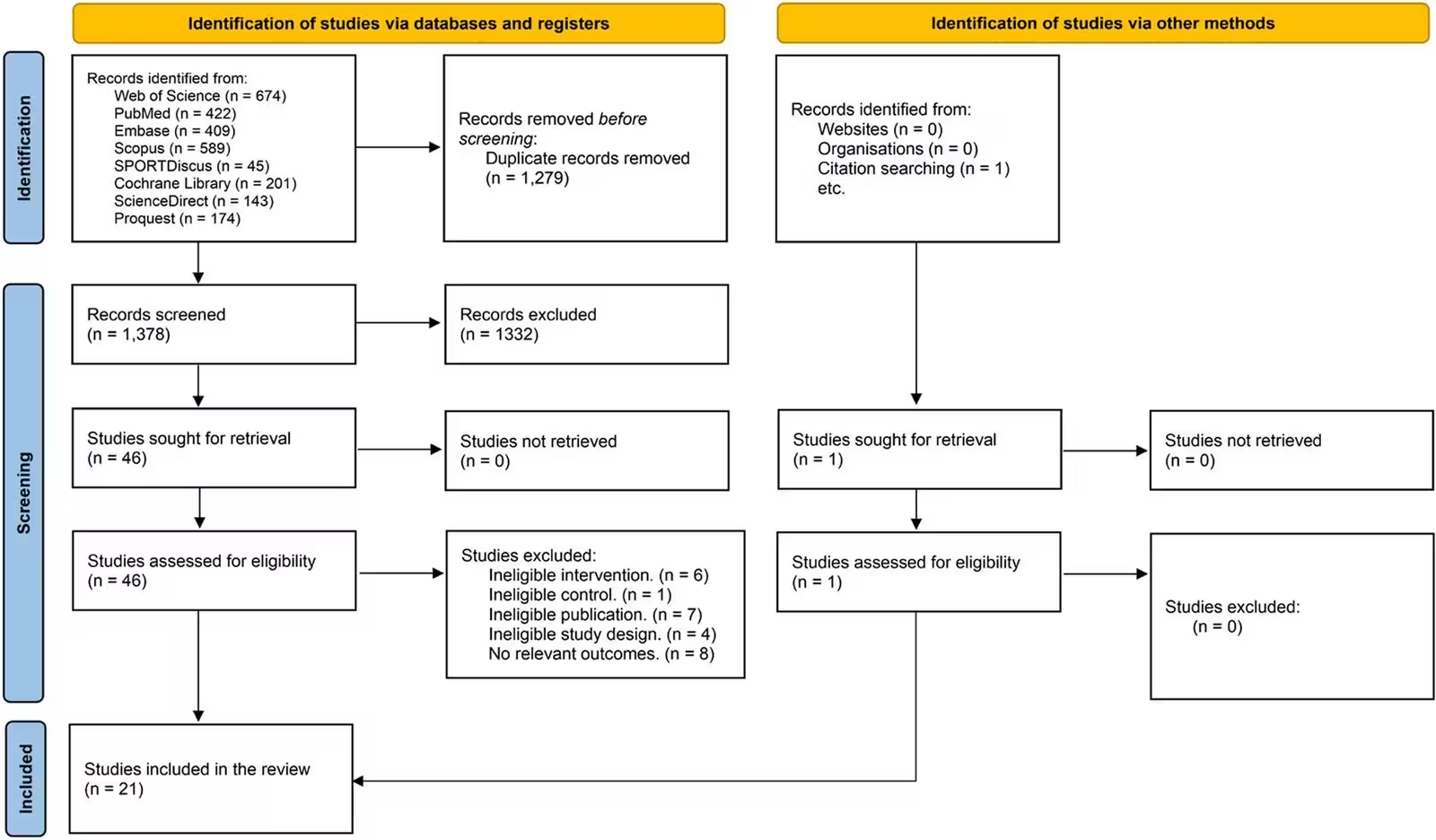
The research team systematically searched 8 electronic databases for trials comparing hypoxic training directly against matched training in normal air conditions. They analyzed data from 21 distinct studies encompassing various sports disciplines, including rugby union, soccer, and endurance cycling. Most participants trained at simulated altitudes ranging from 3000 to 4000 meters.
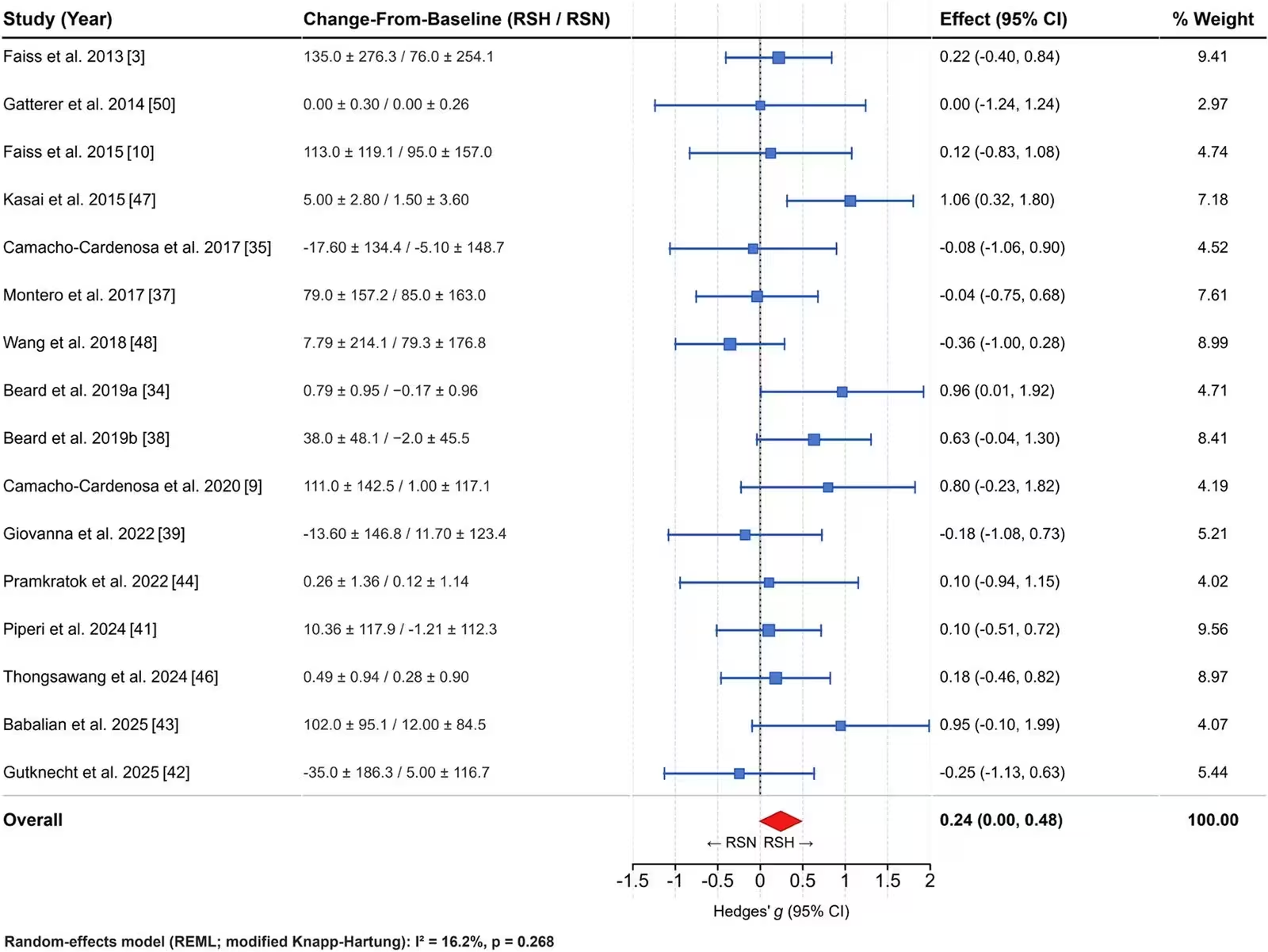
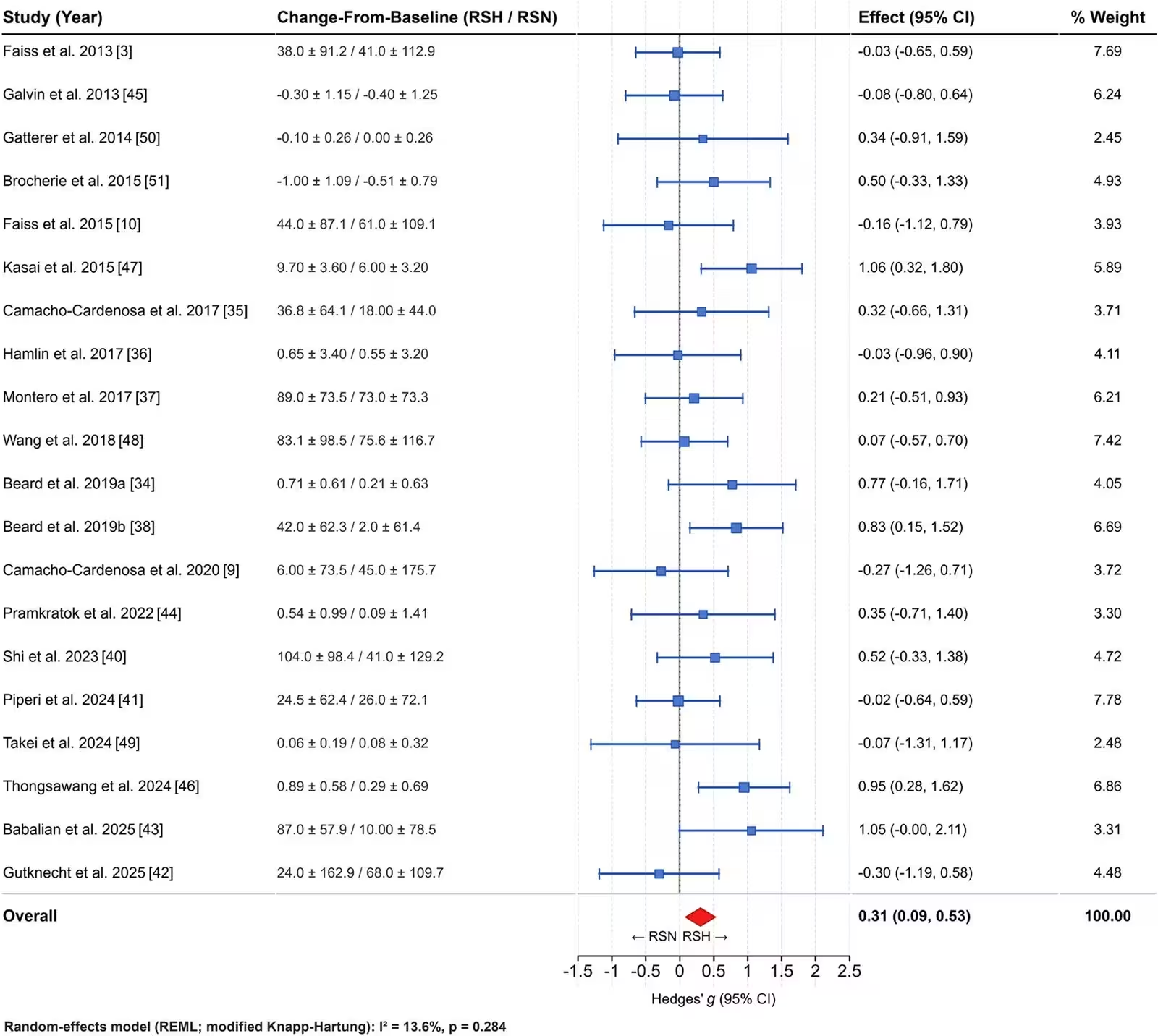
Both frequentist and Bayesian statistical models revealed small positive effects favoring the hypoxic group. Specifically, the standardized mean difference reached 0.24 for best sprint performance and 0.31 for mean sprint performance. Bayesian analysis indicated a 98.4 percent probability of benefit for best sprint scores and a 99.9 percent probability of benefit for mean sprint scores.
Why Mean Sprint Performance Improved More Than Peak Output
The analysis demonstrated clearer performance enhancements in mean repeated-sprint scores compared to absolute peak output. This distinction highlights different physiological mechanisms operating during high-intensity intermittent exercise. Peak sprint scores reflect maximal explosive power, whereas mean scores depend heavily on recovery capacity between successive efforts.
Sustaining output across repeated sprints relies on metabolic pathways like phosphocreatine resynthesis and muscle reoxygenation. Hypoxic exposure challenges these systems, but moderate simulated altitude appears sufficient to stimulate positive adaptations without requiring extreme oxygen reduction. The authors noted that individual responses vary based on local muscle oxygenation and neuromuscular function.
How Cumulative Exposure Fails To Predict Better Training Adaptation
To determine if higher doses yield stronger adaptations, the team performed exploratory dose-response meta-regressions. They evaluated external hypoxic exposure by multiplying cumulative sprint duration by altitude level. Surprisingly, the models identified no consistent linear or nonlinear association between cumulative exposure and performance gains.
Furthermore, the data revealed no universal optimal hypoxic dose across the analyzed trials. Intercept-only models consistently outperformed dose-dependent models, indicating that total accumulated hypoxic exposure alone does not explain the variability in athletic improvements.
What Happens When Altitude Simulation Becomes Too Severe
The findings support the concept that higher simulated altitude is not always better for athletes. When oxygen levels drop too severely, systemic desaturation forces athletes to reduce their mechanical work output during training. Reduced power output and compromised sprint mechanics can undermine the overall quality of the training session.
Data from extreme altitude tests, such as training sessions near 5000 meters, show that severe hypoxia can impair power generation without providing extra physiological advantages. Consequently, maintaining high training intensity and execution quality matters just as much as the severity of the hypoxic stimulus itself.
The research was published in Sports medicine - open on November 26, 2026.
This article has been fact checked for accuracy, with information verified against reputable sources. Learn more about us and our editorial process.
Last reviewed on .
Article history
- Latest version
Reference(s)
- Gou, Pengpeng., et al. “Repeated-Sprint Training in Hypoxia: A Systematic Review and Meta-Analysis with Exploratory Dose–Response Modeling.” Sports Medicine - Open, vol. 12, no. 1, November 26, 2026 Springer Science and Business Media LLC, doi: 10.1186/s40798-026-01156-0. <https://doi.org/10.1186/s40798-026-01156-0>.
Cite this page:
- Posted by Divya Iyer