Why Young Women Face Global Healthcare Barriers And New Digital Solutions
A comprehensive review reveals how intersecting social, economic, and digital barriers restrict medical access for adolescent and young adult women.
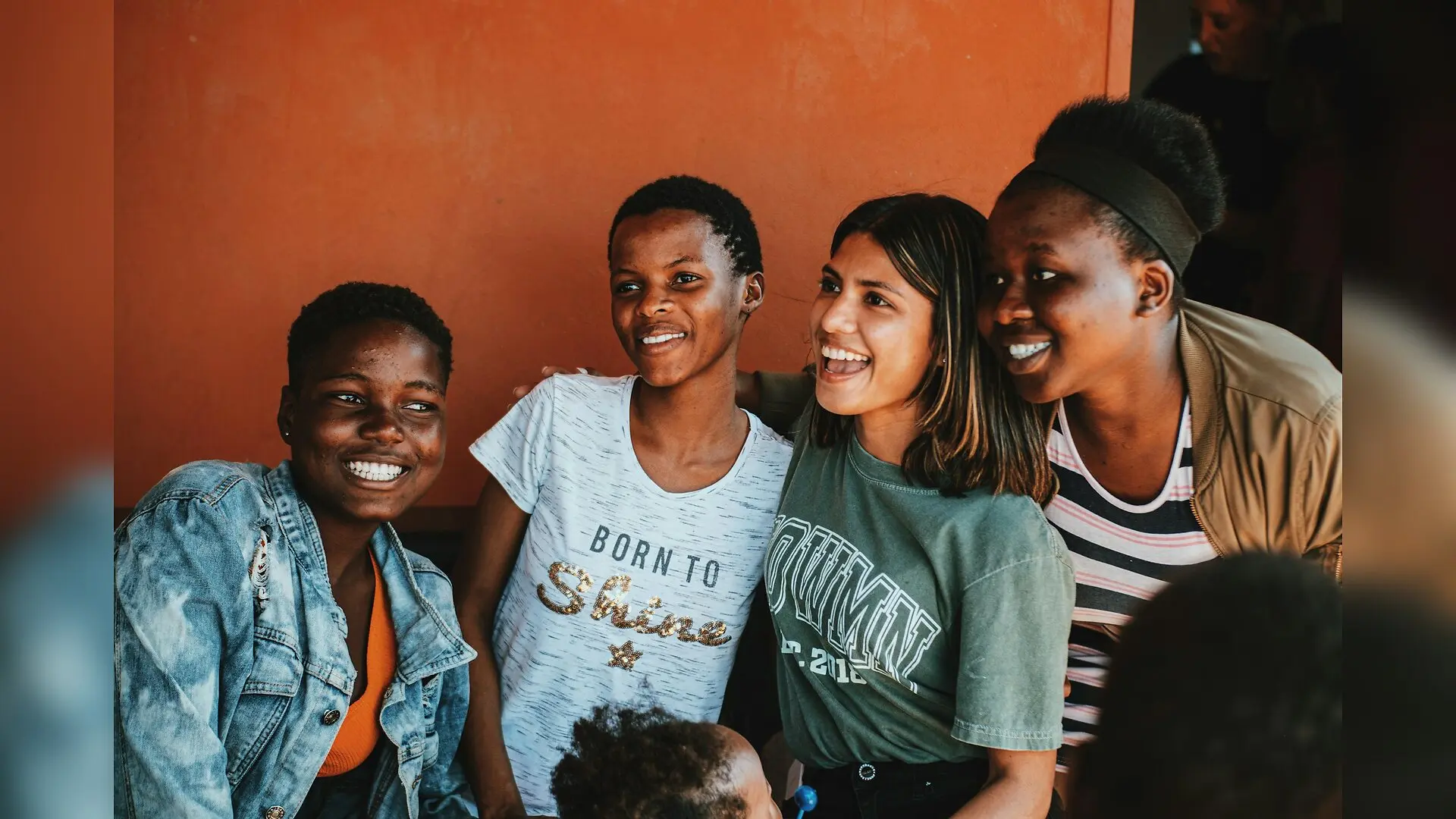
Adolescent and young adult women continue to face severe global health disparities, where financial poverty, social stigma, and rigid cultural norms frequently prevent them from obtaining timely medical care. The World Health Organization defines adolescents as people between the ages of 10 and 19 and young adults as individuals between 20 and 24 years old. Rapid physical, psychological, cognitive, and social developments during this transitory era shape lifelong health trajectories, yet young women continue to bear a heavy disease burden, particularly in low- and middle-income countries. A narrative review published in Frontiers in Global Women’s Health synthesizes recent literature on the complex drivers of healthcare accessibility, underlying health system challenges, and newly emerging approaches designed to deliver equitable care.
How Do Andersen and Levesque Frameworks Explain Care Utilization?
Healthcare access for adolescent and young adult women is a multifaceted process influenced by personal, social, and healthcare system factors. Andersen’s Behavioural Model explains healthcare utilization through three major components, namely need factors, enabling factors such as income and insurance, and predisposing factors such as age, education, and cultural beliefs. The Social Ecological Model expands this perspective by highlighting how interactions across individual traits, interpersonal relationships, organizational support, community norms, and national policies shape healthcare-seeking behaviour.
To broaden these concepts, the Levesque Framework combines health system features with people’s abilities to perceive, seek, reach, pay for, and interact with healthcare services. Meanwhile, the World Health Organization Health System Building Blocks Framework stresses that improved service delivery, a skilled health workforce, reliable information systems, fair access to necessary medications, sustainable financing, and strong governance are essential for effective healthcare access. When taken together, these conceptual frameworks show that attaining fair healthcare access requires patient-centered and system-based approaches that address social determinants and structural barriers concurrently.
What Specific Health Disparities Threaten Young Women Worldwide?
Adolescent and young adult women are disproportionately affected by global healthcare disparities that contribute to avoidable morbidity and mortality throughout life. In low- and middle-income countries, inadequate prenatal care, limited skilled birth attendance, and delayed emergency obstetric services increase the risk of pregnancy-related complications and deaths. Cervical cancer remains a major but preventable public health concern, where unequal access to screening, human papillomavirus testing, vaccination, and timely treatment contributes to delayed diagnosis and poorer survival rates.
Biological vulnerability, gender inequality, and inadequate sexual health education also increase the risk of human immunodeficiency virus and other sexually transmitted infections. Mental health conditions such as depression, anxiety, self-harm, and eating disorders are increasingly recognized during adolescence and early adulthood, yet access to mental healthcare remains unequal because of underfunded services, workforce shortages, and social stigma. Furthermore, the double burden of malnutrition, which includes persistent undernutrition alongside rising rates of obesity, diabetes, cardiovascular disease, and other non-communicable diseases, is worsened by unequal access to preventive services and early diagnosis.
Why Do Individual and Socio-Cultural Barriers Delay Treatment?
Individual-level barriers play a major role in poor healthcare access by influencing young women’s knowledge, perceptions, and willingness to make informed health decisions. Insufficient health literacy limits their ability to obtain, understand, evaluate, and use health-related information on disease prevention, sexual and reproductive health, menstrual hygiene, nutrition, and vaccination. Psychological factors such as fear of receiving a serious diagnosis, breaches of confidentiality, discrimination, and negative interactions with healthcare providers further discourage adolescents from seeking appropriate care.
Socio-cultural obstacles like gender prejudice and male-dominated systems restrict women’s decision-making authority, educational opportunities, and financial security. Harmful practices such as child marriage encourage early pregnancy, educational dropouts, and late engagement with maternal healthcare. Religious views, menstruation stigma, familial limitations, and cultural misunderstandings also act as barriers to timely healthcare usage, often leading to a heavy reliance on conventional methods instead of evidence-based medical treatments.
How Do Economic and Geographic Obstacles Limit Medical Access?
Economic obstacles are among the major factors limiting access to health care, especially in low- and middle-income countries where poverty and high out-of-pocket expenditures restrict preventive and curative care. Financial difficulties force households to choose between basic needs and healthcare, while indirect costs like transportation expenses and lost wages create severe roadblocks. Long travel distances, poor road infrastructure, and frequent clinic visits lead to delayed diagnoses and interrupted treatments, particularly for young women living in rural, remote, and tribal areas.
In humanitarian contexts involving conflict-affected and refugee populations, geographic barriers become even more challenging due to destroyed infrastructure, displacement, insecurity, and shortages of medicines and healthcare workers. Poor healthcare facilities with unreliable electricity, clean water, and weak medical supply chains further hamper the availability of essential services. Strengthening primary healthcare systems through investments in infrastructure, transportation networks, mobile outreach clinics, and digital health technologies is crucial for overcoming these physical hurdles.
What Digital and Community Innovations Can Improve Care Delivery?
Digital health technologies can improve access to healthcare by enabling remote consultations, health education, screening, and follow-up management for young women facing geographic or social barriers. Telemedicine reduces travel and waiting times, while mobile health interventions support medication adherence, vaccination tracking, and patient-provider communication. Artificial intelligence also offers potential applications in early disease detection, risk prediction, diagnostic support, and personalized care planning.
However, the digital divide continues to constrain equitable access, as young women may experience inequalities in smartphone ownership, internet connectivity, and digital literacy. Concerns regarding algorithmic bias, privacy, and cybersecurity must also be addressed to ensure safe digital healthcare access. Complementary strategies such as youth-friendly clinics, school health programs, community health workers, point-of-care diagnostics, and mobile clinics remain vital for bridging the gap between underserved populations and health systems.
The research was published in Frontiers in global women's health on November 26, 2026.
This article has been fact checked for accuracy, with information verified against reputable sources. Learn more about us and our editorial process.
Last reviewed on .
Article history
- Latest version
Cite this page:
- Posted by Susan White