How South African Outreach Teams Bridge Health Gaps That Europe Can Learn From
A qualitative study of South Africa’s outreach teams reveals the delicate balance between community trust and formal health system integration.
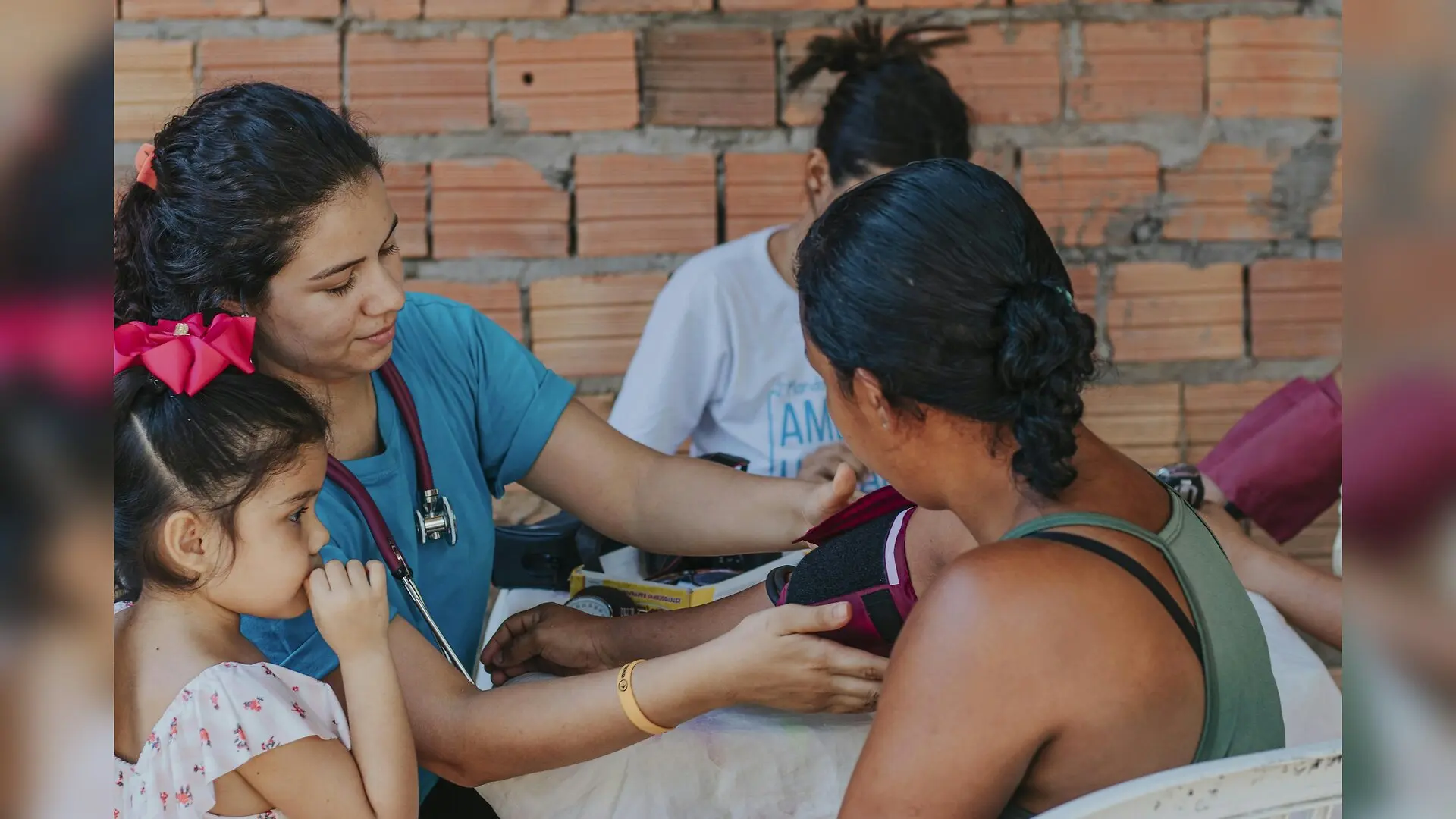
Thirty-seven interviews and ten days of field observations in South African clinics reveal how community health workers bridge the gap between marginalized populations and formal healthcare systems, offering valuable lessons for high-income nations struggling with health disparities.
What Can High-Income Nations Learn From South African Healthcare Workers?
While European healthcare systems generally deliver positive health outcomes, substantial socioeconomic inequalities persist, leaving lower-income households disproportionately affected by chronic illness and shorter life expectancies. Addressing these disparities requires a stronger connection between primary care and public health, yet many wealthy countries struggle to effectively integrate community-level support. Researchers have increasingly turned to international examples through a process known as reciprocal innovation, which involves adapting successful health strategies from low- and middle-income countries to high-income settings. South Africa provides a prominent case through its national Ward-Based Primary Healthcare Outreach Team programme, which places community health workers directly into local neighborhoods to expand access to preventative and primary care.
The study, published in PLOS Global Public Health, examines how this large-scale programme operates in practice and identifies the underlying mechanisms that enable it to function. Led by Laura Vroonen and colleagues at the University of Antwerp alongside international researchers, the qualitative investigation combines in-depth interviews with policymakers, academic experts, labour union representatives, non-governmental organization managers, nurse supervisors, frontline health workers, and community members across two provinces, namely the Free State and the Western Cape. The authors aimed to understand how community health workers successfully navigate the divide between local residents and formal medical facilities, providing empirical insights to inform the design of a similar outreach intervention in Belgium.
How Do Five Core Mechanisms Drive Community Health Success?
The analysis revealed five key mechanisms that allow the outreach teams to bring about change, categorized into core elements, supporting processes, and cross-cutting dynamics. Community embeddedness and health system integration form the two core pillars of the programme. By recruiting workers directly from the areas they serve, the programme establishes local familiarity, shared language, and cultural understanding, which helps workers navigate neighborhoods, locate patients, and deliver appropriate guidance. At the same time, formal integration into primary healthcare facilities ensures that these workers receive clinical supervision, ongoing training, and clear referral pathways so they can advocate for patients and fast-track high-risk cases.
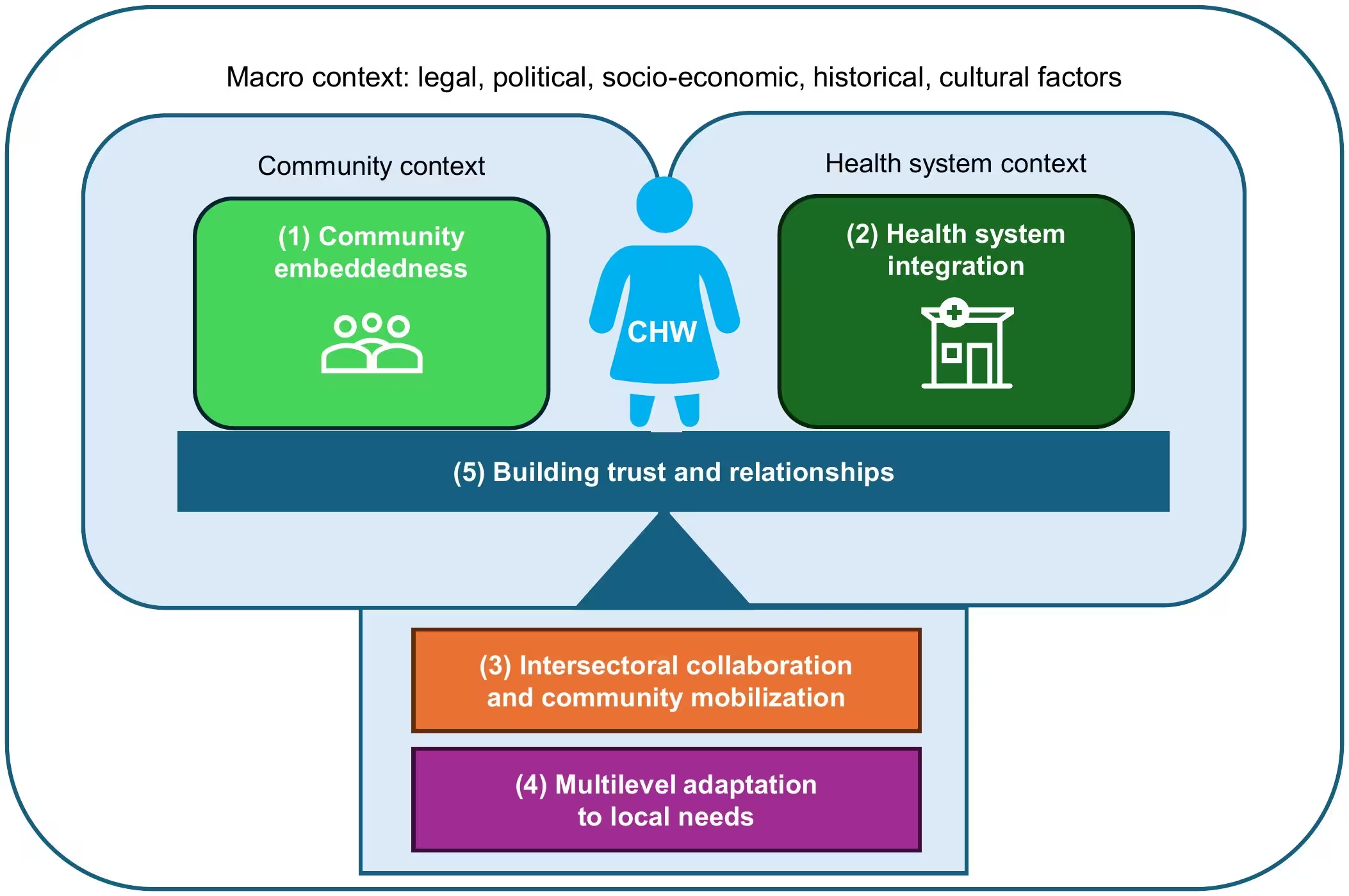
These core pillars are supported by two additional mechanisms: intersectoral collaboration and multilevel adaptation. Because community health workers frequently encounter social challenges such as poverty, food insecurity, and unemployment, they build local networks with social services, non-governmental organizations, and municipal authorities to connect households with essential material support. Furthermore, the administrative structure allows for multilevel adaptation, giving provinces the autonomy to tailor implementation models to local geography, safety conditions, and epidemiological priorities rather than enforcing a rigid one-size-fits-all approach.
Why Is Trust Both the Foundation and the Product of Healthcare Outreach?
Trust acts as a critical cross-cutting mechanism that both enables and results from the other operational processes. While initial acceptance often stems from a worker’s local background, sustaining that trust requires consistent service delivery, strict confidentiality, and emotional support. However, the study highlights several contextual barriers that can threaten these relationships, including high staff turnover, heavy caseloads, and systemic challenges such as medication stockouts and long clinic waiting times. When community members follow health worker advice but encounter poor service or medicine shortages at the clinic, the resulting frustration can undermine the credibility of the outreach workers themselves.
The findings also emphasize the delicate balancing act required to maintain a dual identity as both a community insider and a formal health system actor. In settings where clinic staff faced severe workforce shortages, outreach workers were sometimes pulled away from community-based duties to assist inside medical facilities, which reduced their outreach capacity. These insights demonstrate that successfully adapting community health worker models to wealthy nations requires careful attention to institutional structures, ensuring that integration with formal healthcare does not compromise the relational trust and flexibility that make community-based outreach effective.
The research was published in PLOS Global Public Health on November 25, 2026.
This article has been fact checked for accuracy, with information verified against reputable sources. Learn more about us and our editorial process.
Last reviewed on .
Article history
- Latest version
Reference(s)
- Vroonen, Laura., et al. “One leg in the community, one leg in the health system: A qualitative study of stakeholder perspectives on South Africa's community health worker programme and lessons for Belgium.” PLOS Global Public Health, vol. 6, no. 11, November 25, 2026, pp. e0006937 Public Library of Science (PLoS), doi: 10.1371/journal.pgph.0006937. <https://doi.org/10.1371/journal.pgph.0006937>.
Cite this page:
- Posted by Sana Malik