Rural HIV Patients Face Double the Mortality Risk in Nationwide Study
Nationwide data from thousands of patients reveal that rural residents and older adults face the highest mortality hazards.
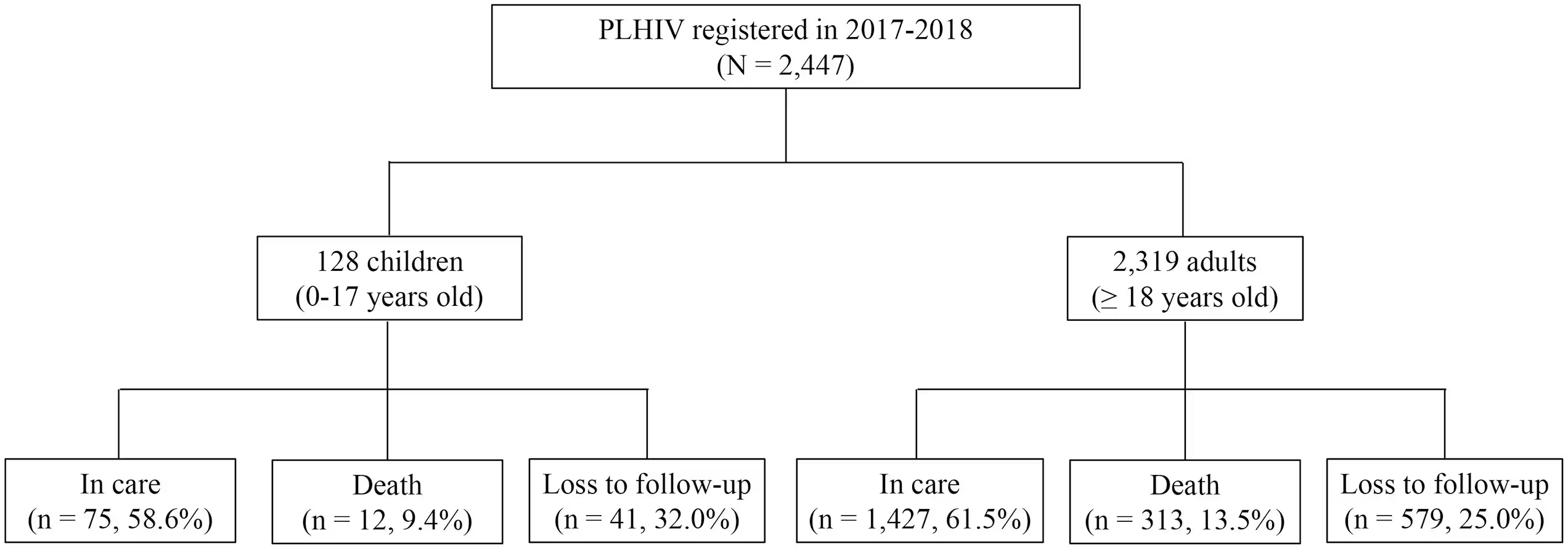
Adults living with HIV in rural areas face more than double the risk of dying compared to city dwellers, according to a large nationwide investigation tracking thousands of patients in Southeast Asia. The retrospective cohort study analyzed anonymized data from two thousand four hundred forty-seven people registered in the national health system of the Lao People’s Democratic Republic between 2017 and 2018, following their medical trajectories through December 2021.
Led by Bouathong Simmanovong from the Ministry of Health and colleagues, the research was published in PLOS One. The investigation sought to uncover the specific demographic and clinical factors driving patient mortality and loss to follow-up, which means dropping out of medical care for six months or more, in a nation where the HIV epidemic has continued to expand over recent decades.
Why Do Rural Patients and Older Adults Face the Highest Mortality Risks?
During the multi-year observation period, investigators documented three hundred twenty-five deaths and six hundred twenty losses to follow-up across the entire cohort. For adult patients, the overall mortality incidence reached five deaths per one hundred person-years, while children experienced a mortality rate of three point six per one hundred person-years. Statistical models revealed that patients aged forty-one or older faced double the hazard of death compared to young adults between eighteen and thirty years old.
Clinical presentation at the time of diagnosis played an influential role in patient survival. Adults who were underweight or presented with advanced World Health Organization clinical stage three or four disease experienced significantly elevated mortality hazards. Furthermore, individuals with primary school education or no formal schooling experienced markedly higher rates of dropping out of medical care or facing fatal outcomes compared to university graduates.
How Does Antiretroviral Therapy Change Survival Outcomes Over Time?
The study evaluated the protective effects of antiretroviral therapy, which is the cornerstone medical treatment that suppresses the virus and prevents acquired immunodeficiency syndrome. When modeled as a time-varying exposure, receiving antiretroviral medication dramatically cut the hazard of death by about seventy-six percent among adults and seventy-nine percent among children. However, the timing of treatment initiation revealed unexpected patterns that diverge from findings in some neighboring countries.
Only fifteen point six percent of adults and twenty-one point nine percent of children initiated their treatment on the exact same day they registered for care. Unlike findings in several other Asian nations where rapid or same-day treatment start uniformly reduced mortality, immediate initiation in this cohort was not statistically linked to lower death rates. The authors note that clinical delays, necessary tuberculosis treatments, or the need for thorough psychological readiness counseling may influence these outcomes.
What Drives Patients to Disappear From Medical Care?
Patient retention remains a formidable hurdle for public health authorities striving to meet global targets to end the epidemic. The overall incidence of loss to follow-up reached nine point five per one hundred person-years. Adults working as sex workers faced a four times higher hazard of dropping out of care compared to civil servants, a vulnerability linked to high residential mobility, severe social stigma, and economic instability.
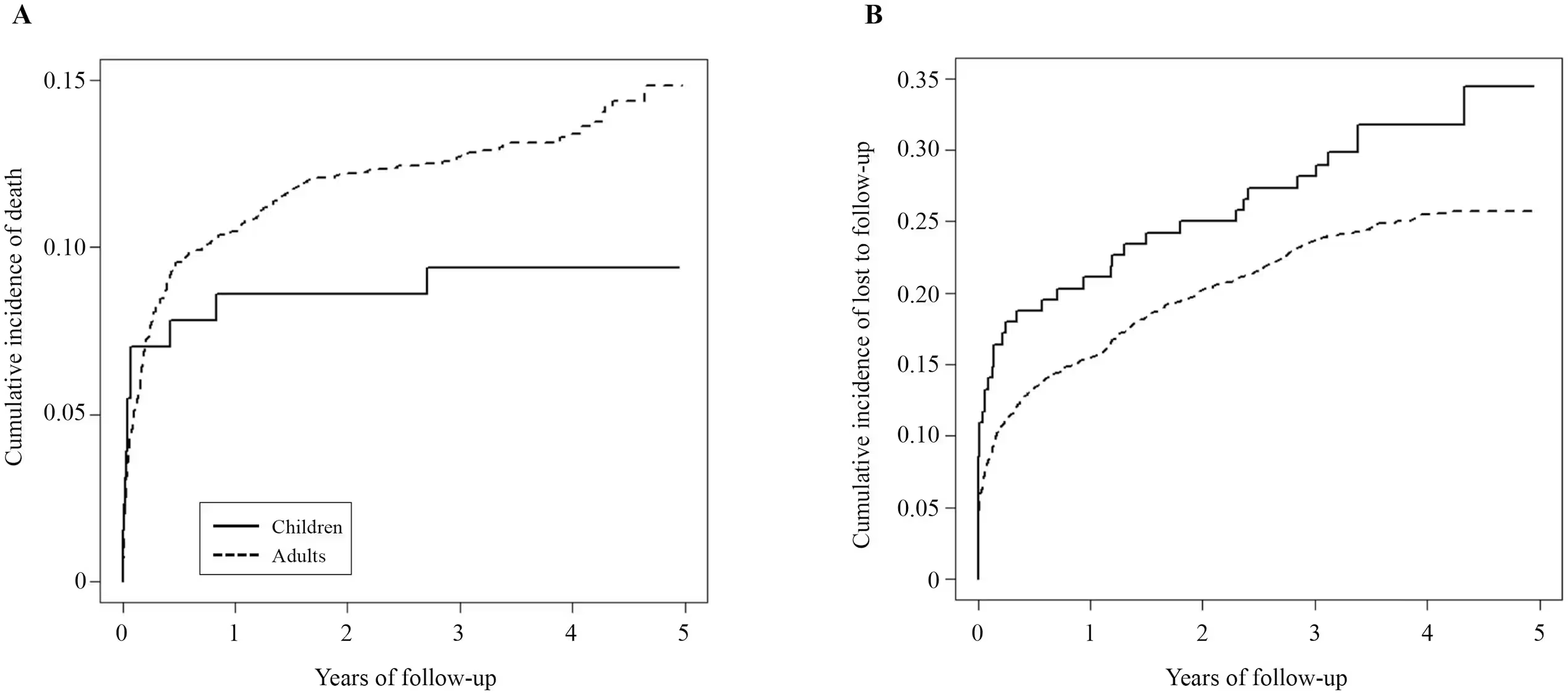
Adolescents also displayed heightened vulnerability, as children aged twelve to seventeen years old showed a significantly higher risk of dropping out of care compared to young children aged zero to five. Conversely, patients registered at provincial healthcare facilities showed lower rates of disappearing from care compared to those registered in the capital city, where populations tend to be more transient and migratory.
What Are the Key Limitations of This Nationwide Analysis?
Several methodological constraints should be considered when interpreting these findings. Because the country lacks a centralized national vital statistics registry that records causes of death for people with HIV, all recorded deaths were analyzed as HIV-related, meaning non-HIV fatalities could not be separated out. Additionally, important clinical metrics such as CD4 white blood cell counts were missing for a large majority of patients due to nationwide protocol shifts toward treating all diagnosed individuals regardless of immune status.
The authors also noted that some patients classified as lost to follow-up may have quietly passed away without documentation or successfully transferred to unrecorded medical clinics, potentially leading to an underestimation of true survival rates. Despite these observational limits, the research provides vital baseline evidence from a developing healthcare infrastructure, emphasizing the urgent necessity for expanded rural healthcare investments, targeted adolescent support, and enhanced retention strategies for vulnerable populations.
The research was published in PLOS One on November 25, 2026.
This article has been fact checked for accuracy, with information verified against reputable sources. Learn more about us and our editorial process.
Last reviewed on .
Article history
- Latest version
Reference(s)
- Simmanovong, Bouathong., et al. “Predictors of mortality and loss to follow-up among people living with HIV in Lao People’s Democratic Republic: A retrospective cohort study.” PLOS One, vol. 21, no. 11, November 25, 2026, pp. e0363347 Public Library of Science (PLoS), doi: 10.1371/journal.pone.0363347. <https://doi.org/10.1371/journal.pone.0363347>.
Cite this page:
- Posted by Sana Malik